
Laboratory Coats - Models, Materials, and How to Choose Them
Bagikan
Working in a laboratory requires equipment and knowledge of Occupational Safety and Health (OSH). One of the rules that must be obeyed is wearing PPE to maintain safety and comfort.
Did you know that lab coats are part of PPE? This clothing functions as personal protection in case of exposure to chemical compounds. The coats used are not arbitrary; they must comply with industry standard safety regulations.
In this discussion, AMI Scientific discusses the role of lab coats for work and their considerations for your safety.
What Is a Lab Coat?
A lab coat is part of personal protective equipment (PPE) when in the laboratory. The white color of the coat is a symbol of hope first popularized in the 19th century.
The choice of white for lab coats is not without reason. There are several considerations that determine that color.
First, white fabric was considered inexpensive at the time compared to other more expensive colors. Second, white makes it easy to detect stains from chemicals. Third, white can withstand frequent washing and proper bleaching better.
Lab coats are designed based on the type of hazards that can occur when working in a laboratory. If your work involves hot plates, then the coat worn must be fire-resistant.
Long sleeves on the coat serve as protection for the wrist area. For the finger area, you can wear special gloves.
Lab Coat Models
Scientists and laboratory personnel have various lab coat models according to their functions, namely:
a. Flame-Resistant Coats
Coats made of flame-resistant material. Suitable for use in laboratories dealing with heat such as furnaces, ovens, or flammable chemical compounds.
b. Cotton Coats
These lab coats are generally found in general labs with low hazard intensity. This type of lab coat is widely used in school labs for learning activities.
c. Synthetic Coats
These coats are made of polyester or a blend that combines two or more mechanical properties. The use of these coats is suitable for jobs requiring heat resistance yet lightweight.
Lab Coat Materials
Lab coats can be made from certain materials as long as they meet requirements such as being comfortable, safe, and not interfering with the work of a laboratory technician.
Here are the materials often used to make lab coats.
a. Drill
Drill fabric has a diagonal texture with thicker fibers. Other characteristics of this fabric are strong weave, diagonal striped texture, and softness.
This material is suitable for professional lab technicians' coats because it is durable and long-lasting. It is resistant to heat and cold, and its color does not fade easily.
b. Cotton
Cotton fabric is made of cotton fibers. This fabric easily absorbs sweat, does not wrinkle easily, does not pill, and feels cool when worn.
c. Tropical
Tropical material has advantages such as being soft and having many color variants. Its price on the market is also relatively affordable.
d. Castilo
Castillo fabric is made from cotton and polyester. However, the cotton composition for making castilo drill lab coats is more dominant, making it more comfortable to wear.
e. Canvas
Canvas is generally made of cotton or linen. Besides being comfortable to wear, canvas has strength properties similar to denim.
f. Polyester
Polyester is another word for textiles made from polyester fibers. This fabric consists of chemical compounds such as ethylene glycol and terephthalic acid combined with polyethylene terephthalate (PET).
g. Oxford
Oxford fabric is made of cotton mixed with tetoron. This fabric consists of intertwining two threads to form a dotted texture. This type of fabric is comfortable to use, strong, and not hot.
Why Wear a Lab Coat in a Laboratory Environment?
Lab coats must be worn when working in the laboratory. This is due to the risk of exposure or splashes of chemical compounds that can be harmful to the skin.
Here are the reasons for wearing a lab coat.
-
Protects skin and clothing from accidental contact with chemical compounds.
-
Prevents the spread of contamination outside the laboratory.
-
A protective layer that can be removed in case of dangerous events such as exposure to acidic substances.
Characteristics of Unsuitable Lab Coats
Requirements for unsuitable lab coats:
-
The lab coat material is unsuitable or uncomfortable to use.
-
The torso area is not fully protected, such as sleeves that are not long enough, or unprotected thigh areas.
-
The coat size is inappropriate. Lab coat sizes are usually made to fit the user's measurements.
-
The coat is damaged from chemical exposure or burning.
-
The snap closures at the front are difficult to remove.
-
The coat material is not suitable for fieldwork or laboratory needs.
If you find these characteristics, consider purchasing a new lab coat.
Before Buying a Lab Coat, What Should Be Considered?
The first step before choosing a coat is to determine the type of hazards that may occur in your laboratory. Therefore, some of these questions can be a consideration.
-
Does your laboratory primarily handle chemical, biological, radioisotope, or hazardous materials?
-
Does your laboratory involve handling animals?
-
Are there flammable materials used in a process or experiment?
-
Are there water-reactive or pyrophoric materials used in appropriate glove boxes and not in fume hoods (in open air)?
-
Are there open flames or hot processes with large amounts of flammable materials?
-
How are hazardous chemicals used and what are the procedural steps?
-
Is there a significant risk of spills, splashes, or splatters during work?
-
What is the toxicity level of the chemicals used and the potential for accidental contamination spread?
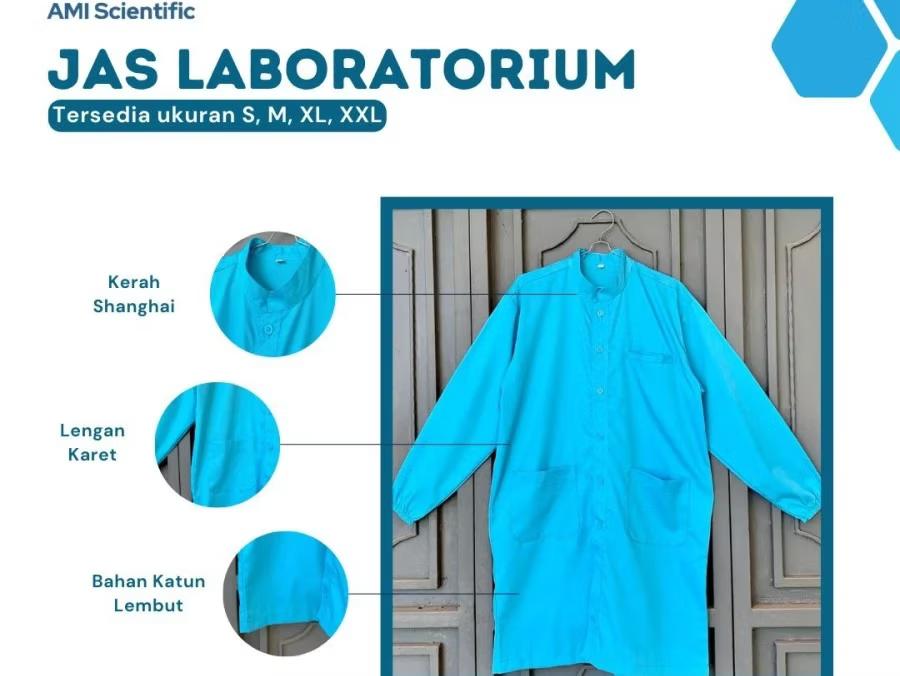
Quality Lab Coats Available at Ami Scientific!
Lab coats are PPE that cannot be ignored. When working with chemical compounds, personal protection must be available before starting activities.