
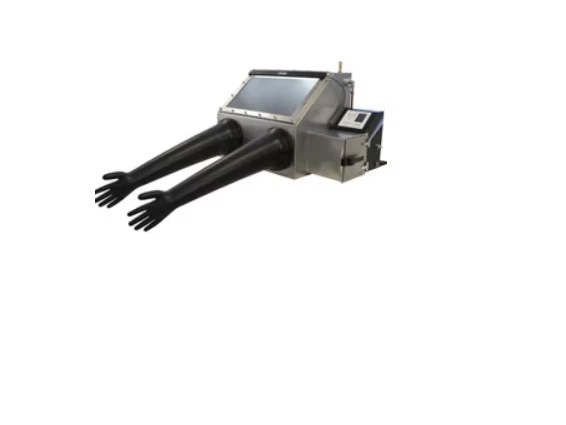
Use of Glove Box for Protecting Air-Sensitive Chemicals
Bagikan
Not all workpieces in the laboratory are safe at room temperature. There are several components and chemicals that require specific treatment, especially if they are susceptible to oxygen.
Therefore, laboratory workers need a glove box to ensure the safety of workpieces. Research and observation processes are carried out in separate chambers. The presence of gloves is useful for your safety during work.
So, what exactly is a glove box?
What is a Glove Box?
A glove box is a device used to manipulate materials with separate containment requirements. On the side of the glove box are gloves arranged in such a way that users can insert their hands and perform tasks without compromising the barrier.
Instead of openings, glove boxes are designed with walls featuring two holes pre-fitted with arm-length gloves.
The box used for a glove box is usually transparent to allow the user to see what is being manipulated.
Benefits/Functions of a Glove Box
Glove boxes are typically used to protect workers from hazardous chemicals, especially those sensitive to air or moisture.
Glove boxes can be operated under positive or negative pressure. If it can operate under positive pressure, it typically contains materials sensitive to external contaminants such as air or moisture.
Exposure to external contaminants can cause degradation or violent reactions with these compounds.
Meanwhile, negative-pressure glove boxes are useful for protecting workers from hazardous materials such as toxic gases or pathogens.
Glove Box Applications
Glove boxes are used to protect samples sensitive to water and oxygen, thereby increasing the safety of test items. In some cases, an inert atmosphere is crucial for successful experiments, especially when conducting the following research:
-
Working with or storing materials that oxidize, hydrolyze, or degrade when exposed to air.
-
Securing hygroscopic materials that absorb water after exposure to environmental conditions.
-
Conducting tests with pyrophoric chemicals. These materials react violently with air and must be handled under inert conditions.
-
Performing tests on new technologies that can degrade under environmental conditions. This may include materials in photovoltaics or lithium-ion batteries.
How to Use a Glove Box (Before, During, and After)
There are procedures for using a glove box that you need to pay attention to. These procedures are part of the work safety guidelines prepared by laboratory personnel. Here's how to use a glove box (before, during, and after):
a. Before Using a Glove Box
-
Check the condition of the glove box. Look for any discoloration, tears, or connections to the exterior.
-
Inspect the window. Pay attention to the area where the window connects to the box.
-
Inspect the vacuum pump and ensure all lines are in good condition. If necessary, change the oil immediately.
b. While Using a Glove Box
-
Check the vacuum pump exhaust oil mist filter and ensure it is still within safe operating parameters.
-
If there is a solvent scrubber and solvent delivery system, ensure the scrubber cartridge is within operating parameters.
-
Ensure all pressure gauges and indicators are functioning correctly.
-
Avoid inserting gloves suddenly, as this can put excessive pressure on the system.
-
Use nitrile gloves within the glove box. This extends the life of the gloves, helps prevent cross-contamination, and facilitates cleaning.
c. After Using a Glove Box
-
If the glove box is used by multiple people, ask laboratory personnel to check if all components are up-to-date.
-
Maintain a service contract with the manufacturer and perform routine maintenance.
-
Document usage in a logbook or practical report book.
-
Always have a backup power generator in case of power loss or nitrogen loss.