4-Chlorophenetole from TCI, also known as 1-chloro-4-ethoxybenzene, is an aromatic ether with an ethoxy group and a chlorine atom in the para positions of a benzene ring. It is a non-heterocyclic building block used as an intermediate for making substituted aromatic molecules. In synthesis laboratories it serves as a substrate for coupling reactions, as a starting material for phenetole derivatives, and as a model compound for studying how aryl chlorides that carry an electron-donating group react.
What makes this compound useful is that its two functional groups complement each other. The ethoxy group donates electrons, which activates the ring toward electrophilic substitution and helps decide where on the ring a reaction takes place. The chlorine atom is the reactive site for metal-catalysed cross-coupling, for making Grignard reagents, and for other organometallic reactions. Electron-rich aryl chlorides are known to be harder to activate than aryl bromides or iodides. For that reason, chemists often pick this compound as a demanding test substrate when they evaluate the performance of new catalysts.
In Indonesia, 4-Chlorophenetole is useful for organic chemistry laboratories at universities and research institutions working on synthetic methods, catalysis, and the preparation of substituted aromatic compounds. Graduate and postgraduate research groups can use it as a reliable starting material for multi-step synthesis or as a benchmark substrate in catalyst studies. Because it comes from TCI, a recognised brand, laboratories get consistent material from batch to batch, which helps them reproduce results across projects.
- Metal-catalysed cross-coupling: the para chlorine atom is a reactive site for palladium- or nickel-catalysed couplings, so the compound is a practical substrate for building biaryl and other substituted aromatic frameworks.
- Catalyst performance evaluation: electron-rich aryl chlorides are harder to activate than bromides or iodides, which makes this compound a demanding benchmark substrate for testing new catalyst systems and ligands.
- Grignard and organometallic reagent preparation: the carbon–chlorine bond can be converted into a Grignard reagent or another organometallic species, which opens routes to many functionalised ethoxybenzene derivatives.
- Synthesis of phenetole derivatives: the ethoxybenzene core is kept while the chlorine position is changed, so the compound works well as a starting material for a range of para-substituted phenetole compounds.
- Reactivity and mechanism studies: an electron-donating ethoxy group and a halogen on the same ring make it a useful model compound for studying substituent effects, regioselectivity, and aryl chloride activation.
| Brand | TCI (product code C0239) |
|---|---|
| CAS number | 622-61-7 |
| Molecular formula | — |
| Purity | — |
| Category | Chemistry > Building Blocks > Non-Heterocyclic Building Blocks |
| Pack sizes | as listed on the product page for this item |
| Physical form | — |
| Storage | follow the storage conditions on the TCI label and Safety Data Sheet |
- Chemical name: 4-Chlorophenetole (1-chloro-4-ethoxybenzene)
Store 4-Chlorophenetole in its original, tightly closed TCI container in a cool, dry, well-ventilated area, away from direct sunlight, heat sources, and incompatible materials such as strong oxidising agents. Keep the label intact and record the date the container is opened. Handle the compound in a fume hood and wear appropriate personal protective equipment, including safety glasses, chemical-resistant gloves, and a laboratory coat. Avoid inhaling vapours and avoid contact with skin and eyes. Read the TCI Safety Data Sheet before use for specific hazard, first-aid, and disposal information, and dispose of waste according to local regulations and your institution's procedures.
—
Produk Terkait
-
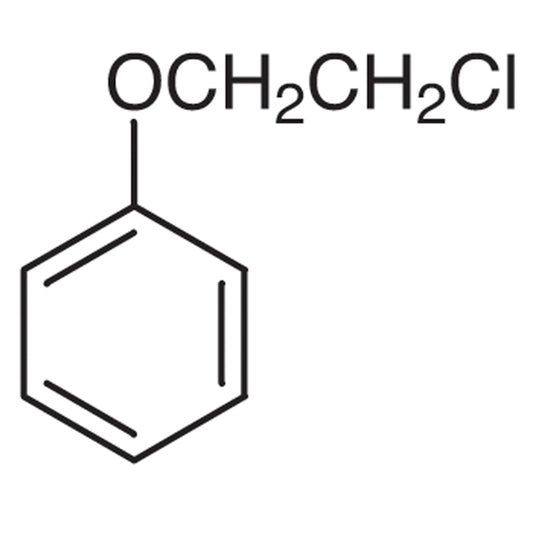
beta-Chlorophenetole TCI C0240
Regular price From Rp 1.193.850,00Regular priceRp 834.750,00Sale price From Rp 1.193.850,00 -
2-Chlorophenetole TCI C0238
Regular price From Rp 2.625.000,00Regular priceRp 1.835.400,00Sale price From Rp 2.625.000,00 -
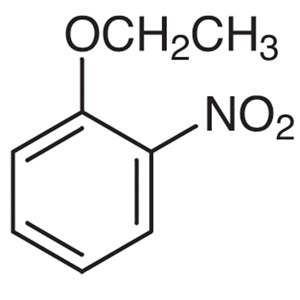
2-Nitrophenetole TCI N0489
Regular price Rp 2.041.200,00Regular priceRp 1.426.950,00Sale price Rp 2.041.200,00 -
3-Bromophenetole TCI B2062
Regular price From Rp 1.087.800,00Regular priceRp 760.200,00Sale price From Rp 1.087.800,00 -
4-Bromophenetole TCI B1434
Regular price Rp 848.400,00Regular priceRp 593.250,00Sale price Rp 848.400,00 -
beta-Bromophenetole TCI B0931
Regular price Rp 1.829.100,00Regular priceRp 1.278.900,00Sale price Rp 1.829.100,00 -
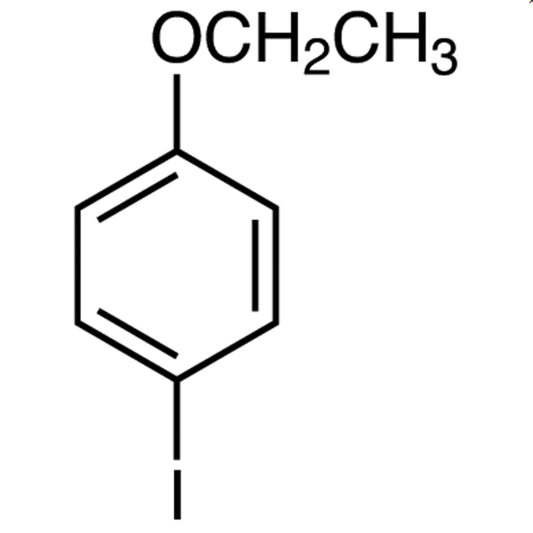
4-Iodophenetole TCI I0525
Regular price From Rp 689.850,00Regular priceRp 481.950,00Sale price From Rp 689.850,00 -
4-Ethylphenetole TCI E0435
Regular price Rp 2.782.500,00Regular priceRp 1.945.650,00Sale price Rp 2.782.500,00