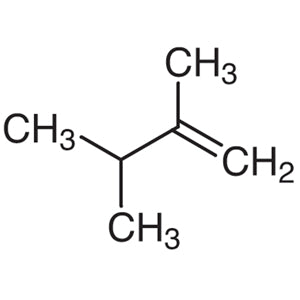
2,3-Dimethyl-1-butene is an organic compound widely used as a foundational building block in the synthesis of complex chemical structures. It plays a critical role in laboratory settings by serving as a versatile intermediate in various chemical reactions, particularly in addition and substitution processes. Its simple molecular structure enables it to participate in a range of synthetic pathways, making it an essential component for chemists working on the development of aromatic, aliphatic, and heterocyclic compounds. This compound is especially valuable for its ability to act as a bridge between functional groups in more complex molecules.
The chemical properties of 2,3-Dimethyl-1-butene make it a preferred choice in laboratory applications. Its stability and reactivity are well-suited for reactions involving double bonds, allowing it to be activated in a variety of chemical processes. The presence of a double bond enables it to undergo addition reactions, which are fundamental in organic synthesis. Additionally, its relatively low boiling and melting points facilitate efficient separation and purification techniques, making it ideal for use in laboratory workflows. These characteristics ensure that it remains a reliable and effective reagent in chemical research.
In Indonesian laboratories, 2,3-Dimethyl-1-butene is commonly used in organic chemistry research, particularly in academic institutions and research organizations. It is frequently employed in the synthesis of various chemical compounds, supporting both educational and industrial research initiatives. Its availability and reliability make it a go-to material for chemists working on complex molecular structures and functional group transformations.
- Organic synthesis is a primary application where 2,3-Dimethyl-1-butene serves as a key intermediate for constructing complex molecular frameworks.
- Functional group modification benefits from its reactivity, enabling the introduction of new functionalities in target molecules.
- Polymer chemistry research utilizes its double bond for cross-linking and chain extension in polymerization processes.
- Analytical chemistry applications leverage its stability for use in calibration standards and reference materials.
- Teaching laboratories incorporate it for demonstrating fundamental organic reactions and synthetic techniques.
| Brand | TCI |
|---|---|
| CAS number | 563-78-0 |
| Molecular formula | — |
| Purity | — |
| Category | Chemistry > Building Blocks > Non-Heterocyclic Building Blocks |
| Pack sizes | Available in various sizes as per standard laboratory requirements |
| Physical form | Liquid |
| Storage | Store in a cool, dry place away from direct sunlight and incompatible materials |
2,3-Dimethyl-1-butene should be stored in a cool, dry environment to maintain its chemical stability. It is recommended to keep it in a sealed container to prevent evaporation and contamination. Due to its flammable nature, it should be stored away from heat sources and open flames. Suitable containers for storage include glass or metal vessels with airtight lids. In laboratory settings, it is important to ensure proper ventilation and use of personal protective equipment when handling this compound. Regular monitoring of storage conditions will help maintain the integrity and safety of the material.
—
Produk Terkait
-
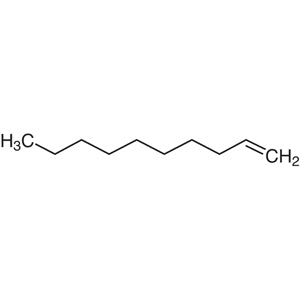
1-Decene TCI D0028
Regular price From Rp 505.050,00Regular price -
1-Decyne TCI D0037
Regular price From Rp 875.700,00Regular price -
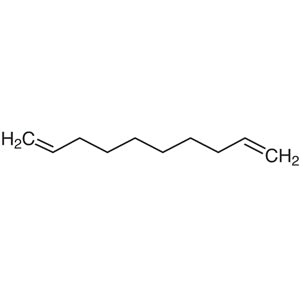
1,9-Decadiene TCI D0245
Regular price From Rp 1.378.650,00Regular price -
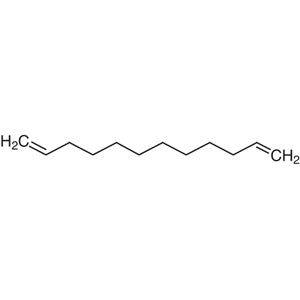
1,11-Dodecadiene TCI D0283
Regular price From Rp 3.949.050,00Regular price -
2,3-Dimethyl-2-butene TCI D0693
Regular price From Rp 1.829.100,00Regular price -
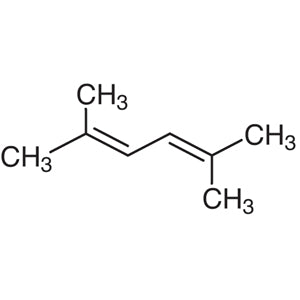
2,5-Dimethyl-2,4-hexadiene(stabilizedwithBHT) TCI D0735
Regular price From Rp 903.000,00Regular price -
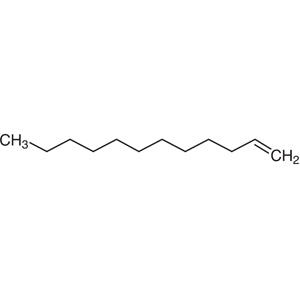
1-Dodecene TCI D0974
Regular price From Rp 505.050,00Regular price -
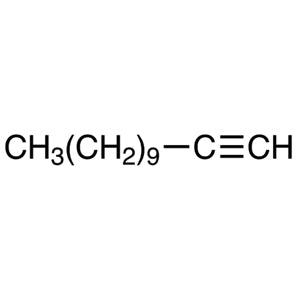
1-Dodecyne TCI D0997
Regular price From Rp 1.008.000,00Regular price