TCI D2672, 4-[(2,4-Dimethoxyphenyl)[(9H-fluoren-9-ylmethoxy)carbonylamino]methyl]phenoxyacetic Acid, is an Fmoc-protected linker better known among peptide chemists as a Rink amide type linker. The compound serves as the connection between a solid resin support and the peptide chain being assembled during solid-phase peptide synthesis (SPPS). Its core structure combines a phenoxyacetate group as the attachment point to amino resins, a dimethoxyphenyl-methyl framework acting as an acid-labile anchor, and an Fmoc-protected amino group that is ready to enter the standard deprotection and coupling cycles used in Fmoc/tBu strategies.
The main characteristic that makes this linker a preferred choice is its ability to deliver peptides bearing a C-terminal amide after cleavage from the resin, an outcome that is difficult to achieve with ordinary acid-type linkers. The methoxy-rich aromatic ring stabilises the benzylic cation, so cleavage proceeds under acidic conditions with TFA without the need for harsh reagents. The carboxylic acid group on the phenoxyacetate chain makes loading onto amino resins straightforward with standard coupling reagents, while the Fmoc protection provides clean orthogonality against side-chain protecting groups.
In Indonesian laboratories, this linker is typically used by university research groups, peptide chemistry laboratories, and R&D units that prepare peptide amides in-house rather than purchasing finished sequences. It fits workflows where researchers functionalise their own amino resin batches, giving control over loading level and linker chemistry. Because it integrates into the widely taught Fmoc/tBu strategy, it suits both graduate-level synthetic training and applied work in chemical biology and drug discovery projects.
- Solid-phase peptide synthesis of C-terminal amides — the acid-labile dimethoxyphenyl-methyl anchor releases the peptide as an amide rather than a free acid upon TFA cleavage.
- In-house functionalisation of amino resins — the free carboxylic acid on the phenoxyacetate chain couples readily to resin amino groups using standard peptide coupling reagents.
- Fmoc/tBu strategy synthetic campaigns — the Fmoc-protected amino group enters routine piperidine deprotection and coupling cycles without requiring any additional chemical modification.
- Preparation of biologically relevant peptide amides — many natural and designed peptides require an amidated C-terminus, which this Rink amide type linker provides directly.
- Chemical biology and peptide chemistry method development — controlled linker loading lets researchers tune resin substitution levels and study cleavage behaviour under mild acidic conditions.
| Brand | TCI (Tokyo Chemical Industry) |
|---|---|
| CAS number | 126828-35-1 |
| Molecular formula | — |
| Purity | — |
| Category | Chemistry > Chemical Biology > Peptide Chemistry |
| Pack sizes | available in standard research-scale packaging; please confirm the currently offered size when ordering |
| Physical form | — |
| Storage | keep in the tightly closed original container, protected from moisture, in accordance with the manufacturer's instructions |
- Product Code: TCI D2672
Store the material in its tightly closed original container in a cool, dry, well-ventilated area away from moisture, direct sunlight, and incompatible chemicals; follow the storage conditions stated by the manufacturer on the label and safety data sheet. Amber glass or the supplied container is suitable, and desiccated storage helps preserve the Fmoc protecting group and the acid-sensitive anchor. Handle in a fume hood using nitrile gloves, safety glasses, and a laboratory coat, and weigh the solid carefully to avoid dust generation. Allow refrigerated containers to reach room temperature before opening to prevent condensation. Dispose of residues and contaminated consumables through the laboratory's chemical waste channel.
—
Produk Terkait
-
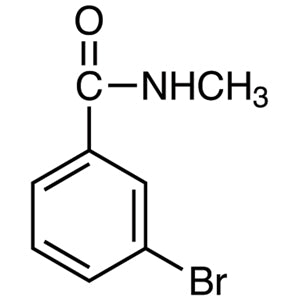
3-Bromo-N-methylbenzamide TCI B5644
Regular price From Rp 1.431.150,00Regular price -
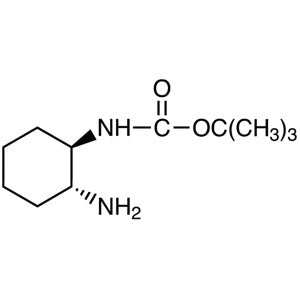
(1R,2R)-N1-(tert-Butoxycarbonyl)-1,2-cyclohexanediamine TCI B5647
Regular price Rp 3.367.350,00Regular price -
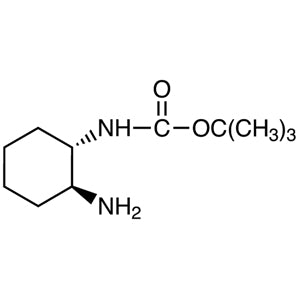
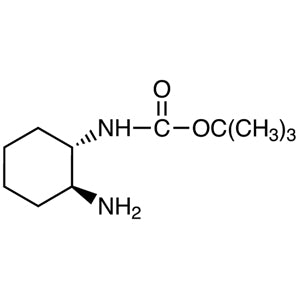
(1S,2S)-N1-(tert-Butoxycarbonyl)-1,2-cyclohexanediamine TCI B5648
Regular price From Rp 2.809.800,00Regular price -
N-Benzyl-2,2,2-trifluoroacetamide TCI B5705
Regular price From Rp 1.326.150,00Regular price -
SB-366791 TCI B5762
Regular price From Rp 5.485.200,00Regular price -
N-Carbobenzoxypropargylamine TCI B5958
Regular price Rp 4.849.950,00Regular price -
tert-Butyl(3-Oxo-3-phenylpropyl)carbamate TCI B5981
Regular price Rp 4.584.300,00Regular price -
SB297006 TCI B6053
Regular price From Rp 3.710.700,00Regular price