![N-[(9H-Fluoren-9-ylmethoxy)carbonyl]glycylglycine (CAS 35665-38-4) - TCI F1234 - AMI Scientific](http://amiscientific.com/cdn/shop/files/TCI2510F1234.jpg?v=1768205457&width=1946)
![N-[(9H-Fluoren-9-ylmethoxy)carbonyl]glycylglycine (CAS 35665-38-4) - TCI F1234 - AMI Scientific](http://amiscientific.com/cdn/shop/files/TCI2510F1234.jpg?v=1768205457&width=1445)
N-[(9H-Fluoren-9-ylmethoxy)carbonyl]glycylglycine is a chemical compound widely used in organic and biochemical research. This peptide compound plays a crucial role in the synthesis of bioactive molecules, particularly in the development of pharmaceuticals and bioactive substances. Its complex structure makes it an essential component in laboratory settings where precision and specificity are required. It is commonly used as a building block for the creation of more complex peptide structures, enabling researchers to explore new therapeutic applications and molecular interactions.
The compound is valued for its chemical stability and its ability to interact with various reagents under controlled conditions. Its fluoren-9-ylmethoxy carbonyl group provides a versatile platform for peptide coupling and modification reactions. This feature allows scientists to design and synthesize a wide range of bioactive compounds. The compound’s compatibility with other amino acids further enhances its utility in the field of peptide chemistry. These properties make it a preferred choice for advanced biochemical and medicinal research.
In Indonesian laboratories, this compound is frequently utilized in biomedical, pharmacological, and organic chemistry research. It supports studies on molecular interactions, drug development, and the synthesis of bioactive compounds. Its application is particularly relevant in academic and industrial research settings where the development of new therapeutic agents is a priority. Researchers rely on its reliability and versatility to advance their scientific investigations.
- Peptide Synthesis: This compound is ideal for synthesizing complex peptides due to its reactive carbonyl group, enabling efficient coupling reactions in solid-phase peptide synthesis.
- Bioactive Compound Development: Its structure supports the creation of bioactive molecules, making it suitable for pharmaceutical research aimed at drug discovery and development.
- Molecular Interaction Studies: The compound's stability and reactivity make it a valuable tool for investigating molecular interactions in biochemical processes.
- Medicinal Chemistry Research: It is used in the design and synthesis of therapeutic agents, supporting studies on drug efficacy and molecular targeting.
- Organic Chemistry Investigations: Its role in peptide chemistry makes it a key component in organic synthesis experiments involving functional group modifications.
| Brand | TCI |
|---|---|
| CAS number | 35665-38-4 |
| Molecular formula | — |
| Purity | — |
| Category | Chemistry > Chemical Biology > Peptide Chemistry |
| Pack sizes | — |
| Physical form | — |
| Storage | Store in a cool, dry place away from light |
This compound should be stored in a cool, dry environment, away from direct sunlight and sources of heat. It is recommended to keep it in a sealed container to prevent moisture absorption and contamination. Due to its chemical stability, it does not require refrigeration but should be protected from environmental factors that may affect its integrity. In laboratory settings, it is important to handle it with care, using appropriate personal protective equipment when necessary. Proper labeling and storage conditions ensure the compound remains effective for its intended applications. Always follow standard laboratory safety protocols when working with chemical substances to maintain a safe and controlled environment.
—
Produk Terkait
-
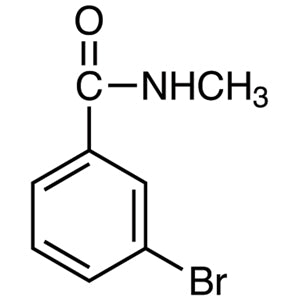
3-Bromo-N-methylbenzamide TCI B5644
Regular price From Rp 1.431.150,00Regular price -
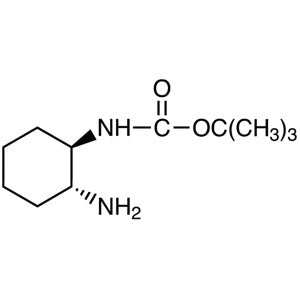
(1R,2R)-N1-(tert-Butoxycarbonyl)-1,2-cyclohexanediamine TCI B5647
Regular price Rp 3.367.350,00Regular price -
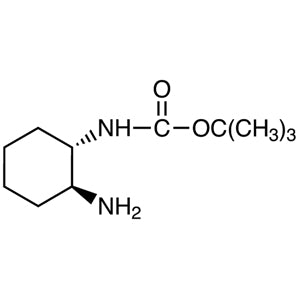
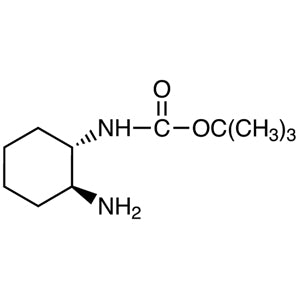
(1S,2S)-N1-(tert-Butoxycarbonyl)-1,2-cyclohexanediamine TCI B5648
Regular price From Rp 2.809.800,00Regular price -
N-Benzyl-2,2,2-trifluoroacetamide TCI B5705
Regular price From Rp 1.326.150,00Regular price -
SB-366791 TCI B5762
Regular price From Rp 5.485.200,00Regular price -
N-Carbobenzoxypropargylamine TCI B5958
Regular price Rp 4.849.950,00Regular price -
tert-Butyl(3-Oxo-3-phenylpropyl)carbamate TCI B5981
Regular price Rp 4.584.300,00Regular price -
SB297006 TCI B6053
Regular price From Rp 3.710.700,00Regular price