TCI H0875 5-Hexenoic Acid is an aliphatic six-carbon carboxylic acid carrying a terminal double bond at the end of its chain. This bifunctional compound has become one of the more versatile intermediates in organic synthesis because it presents two reaction sites of markedly different character within a single small molecule. In the laboratory it is commonly used for chain extension, for the formation of amides and esters, and for preparing substrates that are subsequently modified further through reactions at the double bond.
The property that makes it sought after is the ease with which its carboxyl group can be activated into an acid chloride, an active ester, or an anhydride for coupling with amines and alcohols, while the terminal alkene survives intact under those coupling conditions. That terminal alkene can then be exploited for ring-closing metathesis, thiol-ene addition, hydroboration, or dihydroxylation. The four-methylene chain between the two groups provides exactly the right spacing for the formation of medium-sized rings, which is why this compound appears frequently in synthetic strategies toward lactones and macrolactones that require careful control of chain length.
In Indonesian laboratory practice, 5-hexenoic acid is typically handled in university research groups, institutional synthetic chemistry laboratories, and industrial R&D units that build molecules step by step. It suits work where a defined bifunctional starting point is needed and where the chemist intends to reserve one functional group for a later transformation. Its role is normally that of a building block rather than a finished product, feeding into longer sequences planned around the two independent reactive handles.
- Amide and peptide-like coupling work, where the carboxyl group is activated and joined to amines while the terminal olefin is deliberately carried through untouched for later use.
- Ester synthesis and chain extension, in which the acid is condensed with alcohols to install a linker that still carries an unreacted alkene at its far end.
- Ring-closing metathesis substrate preparation, since the terminal double bond is the standard partner for metathesis catalysts and the chain length favours useful ring sizes.
- Lactone and macrolactone strategies, where the four-methylene spacer between the acid and the alkene gives the spacing needed for medium-sized ring formation.
- Alkene functionalisation chemistry such as thiol-ene addition, hydroboration, and dihydroxylation, which convert the terminal olefin into thioethers, alcohols, or diols on demand.
| Brand | TCI |
|---|---|
| CAS number | 1577-22-6 |
| Molecular formula | — |
| Purity | — |
| Category | Chemistry > Building Blocks > Non-Heterocyclic Building Blocks |
| Pack sizes | available in the standard TCI catalogue pack sizes for this item |
| Physical form | organic carboxylic acid supplied as a reagent-grade chemical |
| Storage | keep in the tightly closed original container under the conditions stated on the manufacturer label |
Store the container tightly closed in a cool, dry, well-ventilated area away from heat, ignition sources, and incompatible materials such as strong bases and strong oxidising agents. Carboxylic acids of this type are best kept in their original supplier packaging or in compatible glass containers with acid-resistant closures, clearly labelled and segregated within an acid storage cabinet. Handle in a fume hood using safety goggles, chemical-resistant gloves, and a laboratory coat, since the material can irritate skin, eyes, and the respiratory tract. Because the terminal alkene is reactive, avoid prolonged exposure to air, light, and elevated temperature, and reseal the container promptly after dispensing. Always consult the manufacturer safety data sheet before use and follow institutional waste-handling procedures for organic acid residues.
—
Produk Terkait
-
TCI B5774 5,10-Bis(4,4,5,5-tetramethyl-1,3,2-dioxaborolan-2-yl)naphtho[1,2-c:5,6-c']bis([1,2,5]oxadiazole)
Regular price Rp 10.255.350,00Regular price -
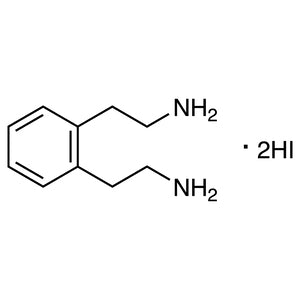
Dihydroiodide TCI B6569
Regular price From Rp 1.936.200,00Regular price -
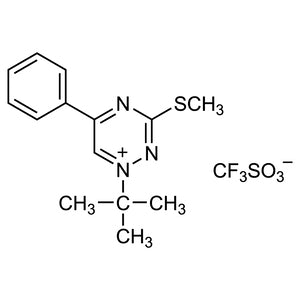
Trifluoromethanesulfonate TCI B7003
Regular price From Rp 1.936.200,00Regular price
![5,10-Bis(4,4,5,5-tetramethyl-1,3,2-dioxaborolan-2-yl)naphtho[1,2-c:5,6-c']bis([1,2,5]oxadiazole) - TCI B5774 - AMI Scientific](http://amiscientific.com/cdn/shop/files/TCI2510B5774.jpg?v=1769180228&width=533)