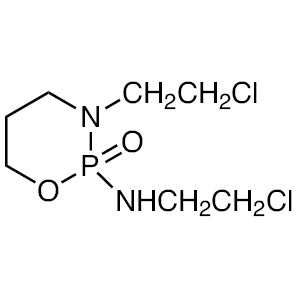
TCI I0713 Ifosfamide is an oxazaphosphorine compound belonging to the nitrogen mustard class of alkylating agents, and it is closely related in structure to cyclophosphamide. As a research reagent, this material is used in pharmaceutical and biomedical laboratories to study the mechanisms of DNA damage caused by alkylation, the metabolic activation of prodrugs by cytochrome P450 enzymes, and the design of drug delivery systems intended to direct cytotoxic compounds more selectively toward target cells. This product is intended for laboratory research and testing purposes only, and is not for clinical or human diagnostic use.
The characteristic that makes this compound important in research is its nature as a prodrug. Ifosfamide is not active in its initial form and requires enzymatic hydroxylation before it yields the alkylating species capable of forming cross-links on DNA strands. This property makes it a highly useful model for drug metabolism studies, evaluation of the activity of metabolizing enzymes, and the testing of formulation strategies such as liposomes, polymeric nanoparticles, or carrier conjugates designed to reduce systemic exposure. Because the compound is classified as cytotoxic, handling discipline forms an inseparable part of its use.
In Indonesian laboratories, this reagent is typically found in pharmaceutical research groups, university faculties of pharmacy and medicine, and formulation development units working on drug delivery systems. It is generally used in small quantities within controlled work areas, with access limited to trained personnel. Because the material is supplied by TCI, users commonly rely on the manufacturer's accompanying documentation as the reference for identity, handling, and disposal procedures adopted into local laboratory protocols.
TCI brochures (PDF)
- Immune System, Inflammation, Allergy Research Reagents 2025-05-26 · p. 3
- Antimicrobials and Antitumor Agents for Research and Experimental Use 2025-04-24 · p. 14
- Pharmaceutical Ingredients for Research and Experimental Use 2026-03-09 · p. 14
- Reagents for Biological Research 2025-03-11 · p. 44
- DNA alkylation and cross-linking studies: the compound generates alkylating species that form cross-links on DNA strands, making it a direct tool for investigating alkylation-induced damage mechanisms at the molecular level.
- Prodrug activation research: because Ifosfamide is inactive in its initial form and requires enzymatic hydroxylation, it serves as a well-defined model system for studying how prodrugs are converted into their active species.
- Cytochrome P450 metabolism assays: its dependence on P450-mediated metabolic activation makes it suitable for evaluating the activity of drug-metabolizing enzymes and comparing metabolic profiles across experimental systems.
- Drug delivery system development: formulation groups use it when designing liposomes, polymeric nanoparticles, or carrier conjugates intended to direct cytotoxic compounds more selectively to target cells.
- Formulation strategy testing for reduced systemic exposure: the cytotoxic character of the compound makes it a relevant test substance for evaluating whether a carrier system successfully limits exposure outside the intended target.
| Brand | TCI (Tokyo Chemical Industry) |
|---|---|
| CAS number | 3778-73-2 |
| Molecular formula | — |
| Purity | — |
| Category | Chemistry > Pharmaceutical Development and Drug Discovery Research Reagents > Drug Delivery Systems (DDS) |
| Pack sizes | refer to the manufacturer's product documentation; intended for research and laboratory testing use only, not for clinical or human diagnostic use |
| Physical form | — |
| Storage | — |
- Product code: I0713
- Chemical class: oxazaphosphorine, nitrogen mustard alkylating agent
Because Ifosfamide is classified as a cytotoxic compound, handling discipline is an inseparable part of its use. Store the container tightly closed in its original manufacturer packaging, clearly labelled, and kept in a designated area separated from general reagents, with access limited to trained personnel. Weighing and transfer operations should be carried out in controlled work areas using appropriate personal protective equipment, including gloves, laboratory coat, and eye protection. Waste, contaminated disposables, and cleaning materials should be collected as cytotoxic waste rather than routine laboratory waste. Follow the storage temperature, handling, and disposal instructions stated in the manufacturer's accompanying documentation and in the institution's local laboratory protocols.
—
Product Categories
- Biochemicals and ReagentsPharmaceutical Research Reagents (for Experimental Use)Antitumor Research Reagents (for Experimental Use)
- Cell BiologyCancer ResearchAntitumor Agents for Research
- Cell BiologyImmune System, Inflammation, Allergy ResearchDNA Alkylating Agents
- Pharmaceutical Development and Drug Discovery ResearchPharmaceutical Research Reagents (for Experimental Use)Antitumor Research Reagents (for Experimental Use)
- Pharmaceutical Development and Drug Discovery ResearchDrug Delivery Systems (DDS)Prodrug Ingredients
Produk Terkait
-
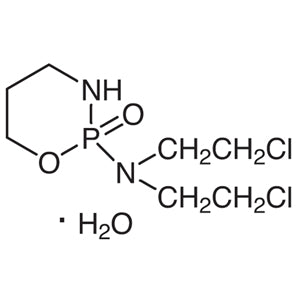
CyclophosphamideMonohydrate TCI C2236
Regular price From Rp 1.246.350,00Regular priceRp 2.628.150,00Sale price From Rp 1.246.350,00Sale -
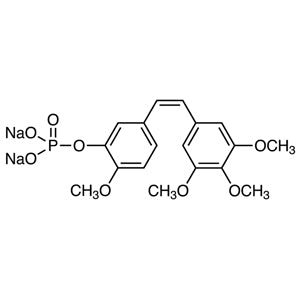
CombretastatinA4PhosphateDisodiumSalt TCI C3009
Regular price Rp 4.452.000,00Regular priceRp 3.129.000,00Sale price Rp 4.452.000,00 -
Aminopterin TCI A0410
Regular price From Rp 1.881.600,00Regular priceRp 1.331.400,00Sale price From Rp 1.881.600,00 -
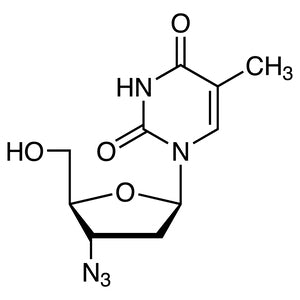
3'-Azido-3'-deoxythymidine TCI A2052
Regular price From Rp 2.464.350,00Regular priceRp 1.738.800,00Sale price From Rp 2.464.350,00 -
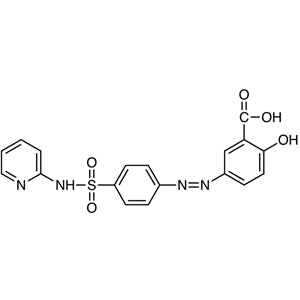
Sulfasalazine TCI S0580
Regular price Rp 3.312.750,00Regular priceRp 2.332.050,00Sale price Rp 3.312.750,00 -
Pemetrexed TCI P2288
Regular price From Rp 2.013.900,00Regular priceRp 1.423.800,00Sale price From Rp 2.013.900,00 -
6-MercaptopurineMonohydrate TCI M0063
Regular price From Rp 530.250,00Regular priceRp 386.400,00Sale price From Rp 530.250,00 -
Imatinib TCI I0906
Regular price From Rp 1.378.650,00Regular priceRp 979.650,00Sale price From Rp 1.378.650,00