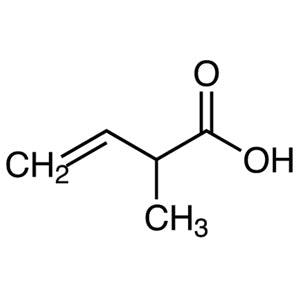
2-Methyl-3-butenoic Acid with CAS number 53774-20-2 is a non-heterocyclic building block from TCI that combines a compact carbon skeleton with a rich set of reaction possibilities: one carboxylic acid group, one methyl group on the alpha carbon, and one terminal double bond at the beta-gamma position. Having both a carboxylic acid and a terminal alkene within a single small molecule makes this compound a useful starting material for stepwise organic synthesis, because the two functional groups can be addressed separately or exploited together in cyclization reactions.
The properties that make this material a preferred choice begin with the terminal alkene, which is ready to undergo a wide range of modern transformations such as cross metathesis, hydrofunctionalization, epoxidation, and dihydroxylation, while the carboxylate group is readily converted into esters, amides, or acid chlorides. The methyl group on the alpha carbon creates a potential stereogenic centre, which makes the compound attractive for research into asymmetric synthesis and the preparation of chiral intermediates. The short carbon chain also means the mass percentage of functional groups relative to the whole molecule is comparatively high, which is efficient in atom economy terms.
In Indonesian laboratories, a building block of this kind is typically used in university and institutional research groups working on organic synthesis, natural product chemistry, and the development of new synthetic methodology. The 1 g and 5 g pack sizes suit small-scale synthetic research, allowing method development, route scouting, and repeat trials without committing to bulk quantities, which fits the working scale of most academic and applied research laboratories in the country.
TCI brochures (PDF)
- Colloidal Quantum Dot (QD) Research Reagents 2026-05-21 · p. 5
- Stepwise organic synthesis: the carboxylic acid and terminal alkene can be manipulated independently, letting researchers build a target molecule through a controlled sequence of separate functional group transformations.
- Cross metathesis and alkene functionalization: the terminal double bond is directly available for modern catalytic transformations, including hydrofunctionalization, epoxidation, and dihydroxylation, without requiring prior activation.
- Carboxyl derivatization chemistry: the acid group is readily converted into esters, amides, or acid chlorides, providing a straightforward entry point into amide coupling and ester library work.
- Asymmetric synthesis research: the methyl substituent on the alpha carbon creates a potential stereogenic centre, making the compound a suitable substrate for studies on stereocontrol and chiral intermediate preparation.
- Cyclization chemistry: with an acid group and an alkene positioned in the same short chain, both functionalities can be used together to construct ring systems in a single designed step.
| Brand | TCI |
|---|---|
| CAS number | 53774-20-2 |
| Molecular formula | — |
| Purity | — |
| Category | Chemistry > Building Blocks > Non-Heterocyclic Building Blocks |
| Pack sizes | 1 g and 5 g |
| Physical form | — |
| Storage | follow the storage conditions stated on the manufacturer label and accompanying documentation |
- Product code: M3188
Store the container tightly closed in a cool, dry, well-ventilated area, away from heat, ignition sources, and incompatible materials, and follow any storage conditions specified on the manufacturer label. Keep the material in its original supplier container wherever possible, since these are selected for chemical compatibility; if transferring, use clean glass vessels with chemically resistant closures and label them clearly. Handle the compound in a fume hood using appropriate personal protective equipment, including safety glasses, gloves, and a laboratory coat. Avoid contact with skin and eyes and avoid inhaling vapours. Consult the manufacturer's Safety Data Sheet before use, and dispose of residues and contaminated materials through the laboratory's chemical waste procedures.
—
Produk Terkait
-
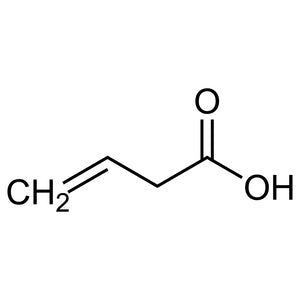
3-ButenoicAcid TCI B0694
Regular price Rp 2.677.500,00Regular priceRp 1.887.900,00Sale price Rp 2.677.500,00 -
ValericAcid TCI V0003
Regular price From Rp 610.050,00Regular priceRp 426.300,00Sale price From Rp 610.050,00 -
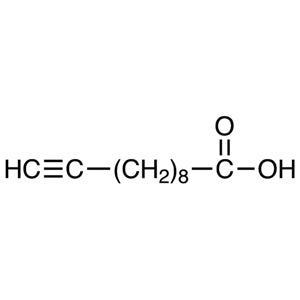
10-UndecynoicAcid TCI U0054
Regular price From Rp 1.060.500,00Regular priceRp 757.050,00Sale price From Rp 1.060.500,00 -
10-UndecenoicAcid TCI U0007
Regular price From Rp 557.550,00Regular priceRp 405.300,00Sale price From Rp 557.550,00 -
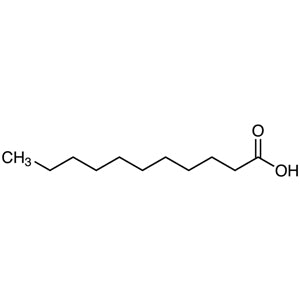
UndecanoicAcid TCI U0004
Regular price From Rp 1.008.000,00Regular priceRp 720.300,00Sale price From Rp 1.008.000,00 -
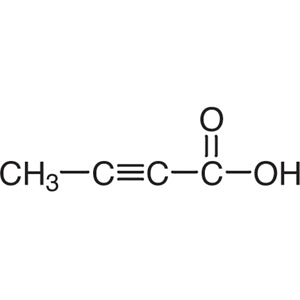
TetrolicAcid TCI T1199
Regular price From Rp 1.192.800,00Regular priceRp 849.450,00Sale price From Rp 1.192.800,00 -
BehenicAcid TCI B1747
Regular price Rp 4.028.850,00Regular priceRp 2.832.900,00Sale price Rp 4.028.850,00 -
BehenicAcid TCI B1248
Regular price From Rp 848.400,00Regular priceRp 609.000,00Sale price From Rp 848.400,00