TCI N0052 1-Naphthylamine (CAS 134-32-7) is a primary aromatic amine in which the amino group is attached at the alpha position of the naphthalene ring system. The compound is one of the classical building blocks of organic chemistry and serves as the starting point for many synthetic routes leading to azo dyes, analytical reagents, and a wide range of bioactive compounds. In the laboratory its role covers diazotisation reactions, the formation of amides and sulfonamides, and use as a coupling component in colour-forming reactions. Its standing as a highly versatile starting material keeps it relevant even though it has been known in the organic chemistry literature for a very long time.
The characteristics that determine how this compound is used are the high nucleophilicity of its amino group and the ability of the naphthalene core to delocalise charge. The amino group strongly activates the ring towards electrophilic substitution and directs incoming groups to specific positions, so the compound is readily nitrated, halogenated, or sulfonated. In diazotisation reactions, the diazonium salt that is formed can be coupled with phenols or with other amines to produce dyes of high colour intensity. The same reactivity works in the other direction as well: this activated character makes the compound easy to oxidise on exposure to air and light, which is why its condition on receipt and during storage deserves attention.
In Indonesian laboratories, 1-Naphthylamine is typically encountered in organic synthesis work, in dye chemistry, and in analytical method development where a reactive aromatic amine is required as a coupling partner or as an intermediate. Research groups in universities, industrial R&D units, and quality-control laboratories draw on it when a well-characterised naphthalene-based amine is needed, and the TCI catalogue designation N0052 makes it straightforward to specify and reorder the same material consistently across repeated experiments.
TCI brochures (PDF)
- Reactive Oxygen Species (ROS) and Oxidative Stress Research Reagents 2026-04-23 · p. 1
- Building Blocks for Organic Semiconductor 2026-03-24 · p. 8
- Reagents for Biological Research 2025-03-11 · p. 36
Related TCI products
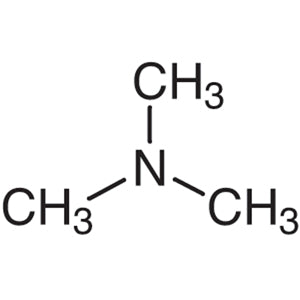
- TCI T3614 75-50-3 Trimethylamine (ca. 8% in Toluene, ca. 1mol/L)
- TCI T2893 75-50-3 Trimethylamine (ca. 25% in Isopropyl Alcohol, ca. 3mol/L)
- TCI T1992 2217-40-5 1,2,3,4-Tetrahydro-1-naphthylamine
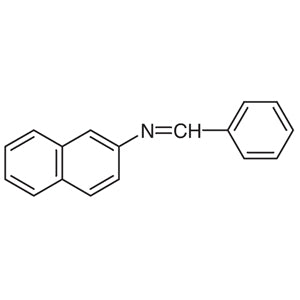
- TCI B0261 891-32-7 Benzylidene-2-naphthylamine
- TCI A0995 2217-41-6 5,6,7,8-Tetrahydro-1-naphthylamine
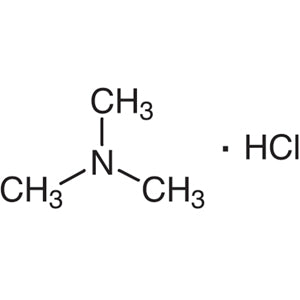
- TCI T0465 593-81-7 Trimethylamine Hydrochloride
- Diazotisation and azo dye synthesis: the primary aromatic amino group converts cleanly to a diazonium salt that couples with phenols or amines to give intensely coloured azo products.
- Analytical colour reagent preparation: its behaviour as a coupling component in colour-forming reactions makes it suitable for building reagents used in visual and spectrophotometric detection work.
- Amide and sulfonamide formation: the nucleophilic amino group reacts readily with acylating and sulfonylating agents, providing a direct route to naphthalene-based amide and sulfonamide derivatives.
- Electrophilic aromatic substitution studies: the strongly activating amino group promotes nitration, halogenation, and sulfonation while directing substitution to defined positions on the ring.
- Multi-step synthesis of bioactive compounds: as a classical building block it serves as the opening intermediate in synthetic routes toward more elaborate naphthalene-containing target molecules.
| Brand | TCI |
|---|---|
| CAS number | 134-32-7 |
| Molecular formula | — |
| Purity | — |
| Category | Chemistry > Building Blocks > Non-Heterocyclic Building Blocks |
| Pack sizes | available in the pack sizes listed for this catalogue item |
| Physical form | — |
| Storage | keep protected from air and light, as the compound is easily oxidised |
- Catalogue number: N0052
Store the container tightly closed in a cool, dry, well-ventilated place, protected from light and from prolonged contact with air, since the activated aromatic amine is easily oxidised under these conditions. Keep the material in its original supplier packaging or in an equivalent chemically compatible, light-protecting container that is clearly labelled. Handle inside a functioning fume hood and wear appropriate personal protective equipment, including gloves, safety glasses, and a laboratory coat. Avoid skin contact, inhalation of dust or vapour, and contact with strong oxidising agents. Weigh and transfer with clean, dry equipment, reseal promptly after use, and follow the supplier safety data sheet together with your institution's chemical waste handling procedures for disposal.
—
Product Categories
Produk Terkait
-
Trimethylamine(ca.8%inToluene,ca.1mol/L) TCI T3614
Regular price Rp 1.087.800,00Regular priceRp 760.200,00Sale price Rp 1.087.800,00 -
Trimethylamine(ca.25%inIsopropylAlcohol,ca.3mol/L) TCI T2893
Regular price From Rp 717.150,00Regular priceRp 500.850,00Sale price From Rp 717.150,00 -
1,2,3,4-Tetrahydro-1-naphthylamine TCI T1992
Regular price From Rp 1.565.550,00Regular priceRp 1.094.100,00Sale price From Rp 1.565.550,00 -
Benzylidene-2-naphthylamine TCI B0261
Regular price Rp 3.153.150,00Regular priceRp 2.220.750,00Sale price Rp 3.153.150,00 -
5,6,7,8-Tetrahydro-1-naphthylamine TCI A0995
Regular price From Rp 2.571.450,00Regular priceRp 1.797.600,00Sale price From Rp 2.571.450,00 -
TrimethylamineHydrochloride TCI T0465
Regular price From Rp 557.550,00Regular priceRp 389.550,00Sale price From Rp 557.550,00 -
Trimethylamine(ca.28%inWater,ca.4.3mol/L) TCI T0464
Regular price Rp 505.050,00Regular priceRp 352.800,00Sale price Rp 505.050,00 -
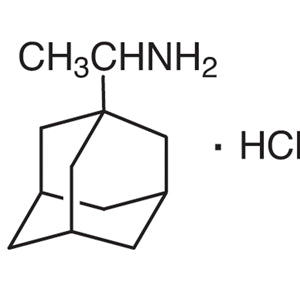
1-(1-Adamantyl)ethylamineHydrochloride TCI R0070
Regular price Rp 1.140.300,00Regular priceRp 812.700,00Sale price Rp 1.140.300,00