TCI N0096 Bis(2,4-pentanedionato)nickel(II) Hydrate, more commonly known as nickel(II) acetylacetonate hydrate, is a nickel coordination complex bearing two chelating acetylacetonate ligands. The compound occupies an important position as a precatalyst in modern catalysis chemistry, particularly in nickel-based cross-coupling reactions and C–H bond activation. In the organic synthesis laboratory, this material serves as a practical nickel source because it is easy to weigh out, relatively stable in air, and can be used directly together with a variety of supporting ligands to generate the active catalytic species.
The characteristic that makes this complex a preferred choice is the acetylacetonate ligand set, which binds the metal centre in a bidentate fashion and therefore produces a complex stable enough to be stored, yet still readily displaced by other ligands once catalysis is underway. Presented as a green solid, the compound dissolves in a range of organic solvents such as toluene and tetrahydrofuran, which simplifies the preparation of catalyst stock solutions. Its status as a hydrate means that bound water molecules are present, so for water-sensitive reactions the user must account for that water content or take steps to address it before use.
In Indonesian laboratories, this material is typically encountered in university research groups and institutional laboratories working on organometallic chemistry, methodology development, and catalyst screening. It is commonly used at small scale for exploratory coupling and C–H functionalisation experiments, where a reliable and easily handled nickel source shortens the path from reaction design to first result. Because it is weighed in air and dissolved in common organic solvents, it fits comfortably into laboratories equipped with standard Schlenk lines or glovebox facilities.
TCI brochures (PDF)
- Magnetic Metal Complexes 2024-12-16 · p. 1
- C-H Bond Activation Reaction 2025-06-20 · p. 6
- Transition Metal Catalysts 2026-04-10 · p. 12
- Suzuki-Miyaura Cross Coupling Reaction 2025-12-01 · p. 24
Related TCI products
- TCI N0851 7791-20-0 Nickel(II) Chloride Hexahydrate
- TCI N0850 7718-54-9 Nickel(II) Chloride Anhydrous
- TCI B3235 903592-98-3 [1,3-Bis(2,6-diisopropylphenyl)imidazol-2-ylidene]triphenylphosphine Nickel(II) Dichloride
- TCI I0079 14024-18-1 Tris(2,4-pentanedionato)iron(III)
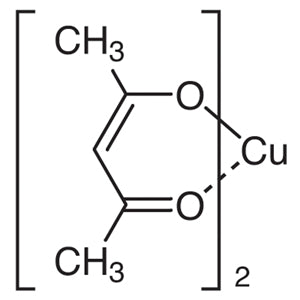
- TCI C0384 13395-16-9 Bis(2,4-pentanedionato)copper(II)
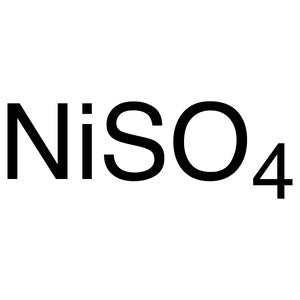
- TCI N1264 7786-81-4 Nickel(II) Sulfate
- Nickel-catalysed cross-coupling reactions: the complex acts as a convenient precatalyst that combines with supporting ligands in situ to generate the active nickel species required for carbon–carbon bond formation.
- C–H bond activation studies: the readily displaced acetylacetonate ligands allow the nickel centre to be engaged by incoming ligands and substrates, making it suitable for exploratory C–H functionalisation chemistry.
- Catalyst and ligand screening campaigns: because it is easy to weigh and relatively air-stable, researchers can prepare multiple parallel reactions quickly while varying the supporting ligand for each run.
- Preparation of catalyst stock solutions: good solubility in organic solvents such as toluene and tetrahydrofuran lets users make up accurate solutions for reproducible dosing into small-scale reaction vessels.
- Organometallic synthesis and precursor chemistry: the compound provides a practical entry point to other nickel complexes, since its chelating ligands can be substituted by phosphines, N-heterocyclic carbenes, or related donors.
| Brand | TCI (Tokyo Chemical Industry) |
|---|---|
| CAS number | 120156-44-7 |
| Molecular formula | — |
| Purity | — |
| Category | Chemistry > Catalysis and Inorganic Chemistry > C-H Activation [Catalysis] |
| Pack sizes | available in the standard TCI catalogue pack sizes for this item; please confirm the size required when ordering |
| Physical form | green solid, soluble in organic solvents including toluene and tetrahydrofuran |
| Storage | keep the container tightly closed in a cool, dry place away from moisture |
Store the material in its original tightly closed container in a cool, dry, well-ventilated area, protected from moisture and kept away from incompatible substances. Amber glass or the supplied bottle is appropriate, and a desiccator or sealed secondary container is advisable where laboratory humidity is high. Because the compound is a hydrate, containers should be reclosed promptly after weighing so that the water content remains consistent between uses. Handle in a fume hood using gloves, safety glasses, and a laboratory coat, and avoid generating or inhaling dust. Weigh quantities with clean, dry spatulas, and consult the supplier safety data sheet before first use and before disposal of any residues.
—
Product Categories
- Catalysis and Inorganic ChemistryC-H Activation [Catalysis]Nickel Compounds [C-H Activation]
- Catalysis and Inorganic ChemistryNon-Precious Metal Catalysis [Catalysis]
- Catalysis and Inorganic ChemistryTransition Elements [Catalysis and Inorganic Chemistry]Nickel [Catalysis and Inorganic Chemistry]
- Catalysis and Inorganic ChemistryCross-coupling Reaction using Transition Metal Catalysts [C-C Bond Formation]Nickel Catalysts [Cross-coupling Reaction using Transition Metal Catalysts]
- Synthetic ReagentsC-C Bond Formation [Synthetic Reagents]Cross-coupling Reaction using Transition Metal Catalysts [C-C Bond Formation]
- Synthetic ReagentsC-X(Non-Halogen) Bond Formation [Synthetic Reagents]C-H Bond Activation Reaction [Synthetic Reagents]
Produk Terkait
-
Nickel(II)ChlorideHexahydrate TCI N0851
Regular price From Rp 505.050,00Regular priceRp 352.800,00Sale price From Rp 505.050,00 -
Nickel(II)ChlorideAnhydrous TCI N0850
Regular price From Rp 610.050,00Regular priceRp 426.300,00Sale price From Rp 610.050,00 -
[1,3-Bis(2,6-diisopropylphenyl)imidazol-2-ylidene]triphenylphosphineNickel(II)Dichloride TCI B3235
Regular price From Rp 2.518.950,00Regular priceRp 1.776.600,00Sale price From Rp 2.518.950,00 -
Tris(2,4-pentanedionato)iron(III) TCI I0079
Regular price From Rp 743.400,00Regular priceRp 519.750,00Sale price From Rp 743.400,00 -
Bis(2,4-pentanedionato)copper(II) TCI C0384
Regular price From Rp 637.350,00Regular priceRp 445.200,00Sale price From Rp 637.350,00 -
Nickel(II)Sulfate TCI N1264
Regular price From Rp 875.700,00Regular priceRp 612.150,00Sale price From Rp 875.700,00 -
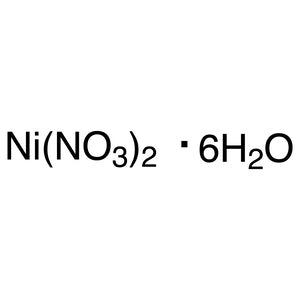
Nickel(II)NitrateHexahydrate TCI N1252
Regular price From Rp 610.050,00Regular priceRp 426.300,00Sale price From Rp 610.050,00 -
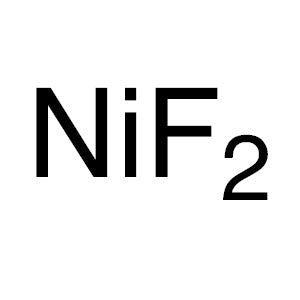
Nickel(II)Fluoride TCI N1215
Regular price From Rp 1.326.150,00Regular priceRp 927.150,00Sale price From Rp 1.326.150,00


![TCI B3235 903592-98-3 [1,3-Bis(2,6-diisopropylphenyl)imidazol-2-ylidene]triphenylphosphine Nickel(II) Dichloride](http://amiscientific.com/cdn/shop/files/TCI2510B3235.jpg?v=1792661110&width=533)
![903592-98-3 [1,3-Bis(2,6-diisopropylphenyl)imidazol-2-ylidene]triphenylphosphine Nickel(II) Dichloride - AMI Scientific](http://amiscientific.com/cdn/shop/files/TCI2510B3235_58611862-7e09-4fa6-8ff5-7fa691c32969.jpg?v=1767431895&width=533)