Nonanoyl Chloride (TCI N0372), with CAS number 764-85-2, is a key chemical compound widely used in organic synthesis as a building block. It serves as an essential reagent in laboratory settings, particularly in the development of complex organic molecules. Its simple molecular structure makes it versatile for various chemical reactions, including nucleophilic substitution and ester formation. This compound is commonly found in research laboratories where the synthesis of heterocyclic compounds and carbon chains is required. Its reactivity and chemical properties make it a valuable tool for chemists working on a wide range of synthetic pathways.
Nonanoyl Chloride is known for its high reactivity, especially towards nucleophiles and bases. It is a polar compound with a high boiling point, which allows it to be used in reactions that require elevated temperatures. These properties ensure stability and effectiveness in demanding chemical environments. Additionally, its solubility in organic solvents such as ethyl acetate and chloroform facilitates efficient separation and purification of final products. This solubility profile is crucial for laboratory workflows that involve chromatography or distillation techniques.
In Indonesian laboratories, Nonanoyl Chloride is frequently utilized in organic chemistry research, particularly in academic and industrial settings. It is a staple in chemical synthesis projects, supporting the development of new compounds and materials. Its reliability and performance in various reaction conditions make it a preferred choice among researchers and technicians. Its widespread use highlights its importance in both basic and applied chemical research in the region.
- Organic synthesis is a primary application where Nonanoyl Chloride is used to form ester bonds and participate in nucleophilic substitution reactions.
- Heterocyclic compound development benefits from its reactivity, allowing for the construction of complex ring structures in synthetic pathways.
- Carbon chain extension in organic molecules is facilitated by its ability to undergo various chemical transformations under controlled conditions.
- Esterification reactions rely on its reactivity to produce ester derivatives, which are essential in pharmaceutical and industrial chemistry.
- Solvent compatibility makes it ideal for use in chromatographic and purification processes, enhancing the efficiency of product isolation.
| Brand | TCI |
|---|---|
| CAS number | 764-85-2 |
| Molecular formula | — |
| Purity | — |
| Category | Chemistry > Building Blocks > Non-Heterocyclic Building Blocks |
| Pack sizes | Available in various quantities as per standard laboratory supply options |
| Physical form | Liquid |
| Storage | Store in a cool, dry place away from light and incompatible materials |
Nonanoyl Chloride should be stored in a cool, dry environment to maintain its chemical integrity. It is recommended to keep it in airtight containers to prevent exposure to moisture and air, which can affect its reactivity. Due to its polar nature and high boiling point, it is important to handle it with care during storage and use. Appropriate personal protective equipment, such as gloves and goggles, should be worn when handling this compound to ensure safety. It should be stored away from incompatible substances like strong bases and nucleophiles to prevent unwanted reactions. Regular inspection of storage conditions is advised to ensure the compound remains stable and suitable for laboratory use.
—
Produk Terkait
-
TCI B5774 5,10-Bis(4,4,5,5-tetramethyl-1,3,2-dioxaborolan-2-yl)naphtho[1,2-c:5,6-c']bis([1,2,5]oxadiazole)
Regular price Rp 10.255.350,00Regular price -
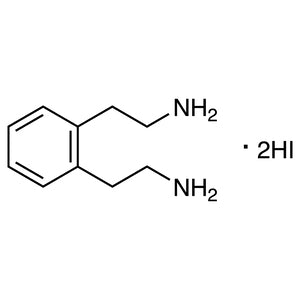
Dihydroiodide TCI B6569
Regular price From Rp 1.936.200,00Regular price -
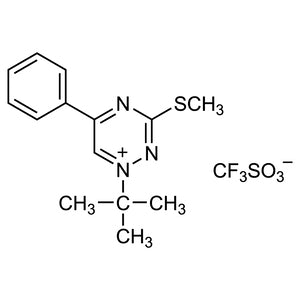
Trifluoromethanesulfonate TCI B7003
Regular price From Rp 1.936.200,00Regular price
![5,10-Bis(4,4,5,5-tetramethyl-1,3,2-dioxaborolan-2-yl)naphtho[1,2-c:5,6-c']bis([1,2,5]oxadiazole) - TCI B5774 - AMI Scientific](http://amiscientific.com/cdn/shop/files/TCI2510B5774.jpg?v=1769180228&width=533)