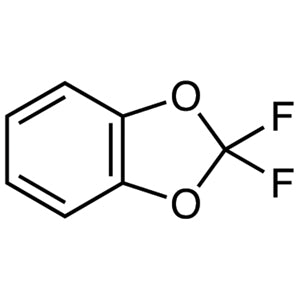
1-(6-Nitro-1,3-benzodioxol-5-yl)ethanol is a chemical compound widely used in laboratory settings for its unique properties and versatility in chemical and biochemical applications. This compound plays a crucial role in the field of photolabile protecting groups, enabling precise control over chemical reactions through light-activated mechanisms. Its complex molecular structure allows it to participate in various synthetic pathways, making it an essential tool for researchers working on molecular modification and compound development. In Indonesian laboratories, it is frequently utilized in academic and industrial research projects aimed at advancing chemical and biological sciences.
The compound is preferred due to its stability under specific conditions and its sensitivity to ultraviolet light, which makes it ideal for photokimia-activated reactions. Its reactivity and ability to bind with diverse substrates further enhance its utility in organic synthesis and biochemical studies. These characteristics make it a reliable and efficient reagent for applications requiring controlled and selective chemical transformations. Its photolabile nature also allows for precise timing and spatial control in experimental setups, contributing to its popularity among researchers.
In Indonesian laboratories, this compound is commonly used in research related to chemical biology and organic synthesis. It is a key component in experiments involving photolabile protecting groups, where its ability to be selectively removed by light is highly advantageous. Its presence in academic and research institutions underscores its importance in advancing scientific knowledge and developing new chemical compounds.
Advantages (TCI brochure)
- Used to form a photolabile caged biotin conjugate via a carbonate linkage
- Caged biotin conjugate is applied to cells and activated by light
TCI brochures (PDF)
- Photolabile Protecting Groups for Caged Bioactive Molecules 2025-12-25 · p. 1
- Protecting Agents 2025-03-25 · p. 12
Related TCI products
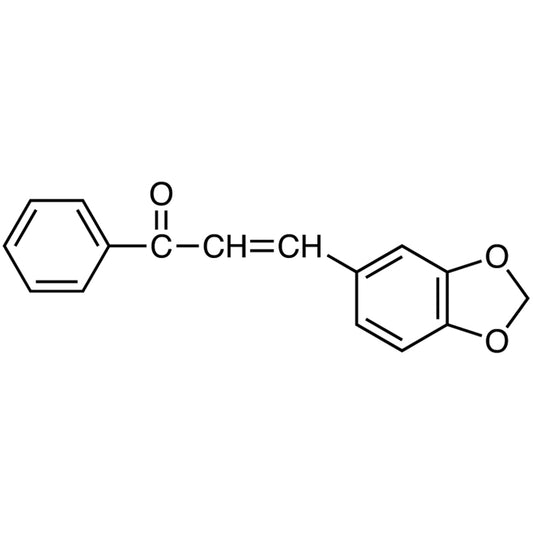
- TCI B4983 644-34-8 3-(1,3-Benzodioxol-5-yl)-1-phenyl-2-propen-1-one
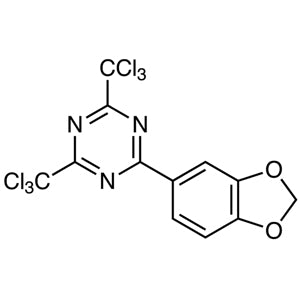
- TCI B3633 71255-78-2 2-(1,3-Benzodioxol-5-yl)-4,6-bis(trichloromethyl)-1,3,5-triazine
- TCI B6465 1484-85-1 2-(1,3-Benzodioxol-5-yl)ethanamine
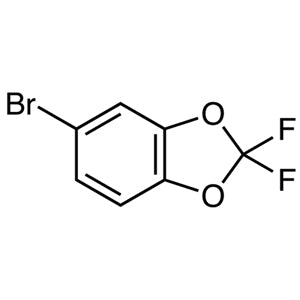
- TCI B3781 33070-32-5 5-Bromo-2,2-difluoro-1,3-benzodioxole
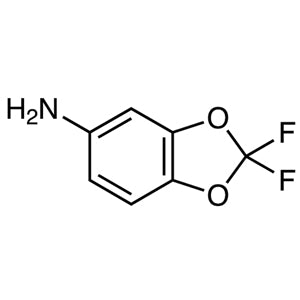
- TCI A3107 1544-85-0 5-Amino-2,2-difluoro-1,3-benzodioxole
- TCI E1467 7315-32-4 5-Vinyl-1,3-benzodioxole
- Photolabile Protecting Group Research: This compound is widely used in studies involving light-activated chemical reactions, allowing for precise control over molecular modifications.
- Organic Synthesis: Its reactivity and ability to form stable intermediates make it a valuable reagent in the synthesis of complex organic molecules.
- Biochemical Studies: It is employed in experiments that require controlled chemical transformations, particularly in drug development and molecular biology.
- Molecular Modification: Its unique structure enables it to be used in the development of new compounds and the modification of existing ones.
- Light-Activated Reaction Systems: Its sensitivity to ultraviolet light makes it ideal for applications where light-induced chemical changes are required.
From the TCI brochure
- Application toward cells using a caged biotin-conjugate
- Enzyme-streptavidin scheme for prodrug and drug release shown in the brochure
| Brand | TCI |
|---|---|
| CAS number | 159873-64-0 |
| Molecular formula | — |
| Purity | — |
| Category | Chemistry > Chemical Biology > Photolabile Protecting Groups |
| Pack sizes | Available in various quantities as per standard laboratory supply |
| Physical form | Solid or liquid, depending on the specific formulation |
| Storage | Store in a cool, dark place away from direct sunlight |
This compound should be stored in a cool, dark environment to maintain its stability and prevent premature degradation. It is recommended to use amber-colored glass or UV-protective containers to minimize exposure to light. Due to its sensitivity to ultraviolet light, it should be kept in a sealed container to avoid contamination and maintain its chemical integrity. Proper ventilation is essential when handling the compound to ensure a safe laboratory environment. Always follow standard safety protocols when working with photolabile compounds, including the use of personal protective equipment. Regular monitoring of storage conditions is advised to ensure optimal performance and safety in laboratory settings.
—
Product Categories
Produk Terkait
-
3-(1,3-Benzodioxol-5-yl)-1-phenyl-2-propen-1-one TCI B4983
Regular price From Rp 1.378.650,00Regular priceRp 979.650,00Sale price From Rp 1.378.650,00 -
2-(1,3-Benzodioxol-5-yl)-4,6-bis(trichloromethyl)-1,3,5-triazine TCI B3633
Regular price From Rp 1.378.650,00Regular priceRp 979.650,00Sale price From Rp 1.378.650,00 -
2-(1,3-Benzodioxol-5-yl)ethanamine TCI B6465
Regular price Rp 1.696.800,00Regular priceRp 1.202.250,00Sale price Rp 1.696.800,00 -
5-Bromo-2,2-difluoro-1,3-benzodioxole TCI B3781
Regular price From Rp 2.013.900,00Regular priceRp 1.423.800,00Sale price From Rp 2.013.900,00 -
5-Amino-2,2-difluoro-1,3-benzodioxole TCI A3107
Regular price From Rp 2.068.500,00Regular priceRp 1.461.600,00Sale price From Rp 2.068.500,00 -
5-Vinyl-1,3-benzodioxole TCI E1467
Regular price Rp 5.062.050,00Regular priceRp 3.555.300,00Sale price Rp 5.062.050,00 -
5,6-Dibromo-1,3-benzodioxole TCI D4737
Regular price From Rp 875.700,00Regular priceRp 627.900,00Sale price From Rp 875.700,00 -
2,2-Difluoro-1,3-benzodioxole TCI D4051
Regular price From Rp 557.550,00Regular priceRp 405.300,00Sale price From Rp 557.550,00