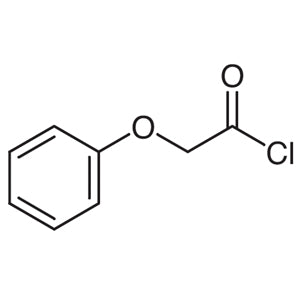
Phenoxyacetyl Chloride from TCI is the acid chloride of phenoxyacetic acid. It is a highly reactive acylating reagent that introduces the phenoxyacetyl group onto a wide range of nucleophiles. In the laboratory, it is important for making amides, esters and thioesters. It is also well known in beta-lactam chemistry. There, its reaction with a tertiary base produces phenoxyketene, which then reacts with imines to form the beta-lactam ring through the Staudinger cycloaddition. Chemists also use the compound to install the phenoxyacetyl protecting group.
Researchers choose phenoxyacetyl chloride because its high reactivity gives fast acylation, even with weakly reactive nucleophiles and at low temperatures. Because it can form a ketene in situ, it opens synthetic routes that are hard to reach with other reagents. This same reactivity means the compound reacts vigorously with water and atmospheric moisture, releasing corrosive hydrogen chloride. For this reason, it must be used with dry solvents, water-free equipment and careful technique. Used correctly, it is a dependable and versatile tool for building complex organic molecules in a controlled way.
In Indonesian laboratories, phenoxyacetyl chloride is relevant to research groups working in organic synthesis and medicinal chemistry. It is especially useful for groups that study beta-lactam frameworks, prepare amide and ester derivatives, or need a phenoxyacetyl protecting group in multistep synthesis. University research laboratories, postgraduate thesis projects and industrial research and development teams can use this TCI building block wherever a fast, efficient acylation step is needed and the laboratory can keep anhydrous working conditions.
TCI brochures (PDF)
- Nucleosides, Nucleotides, Nucleic Acids and Related Reagents 2026-03-23 · p. 13
- Amide synthesis: the acid chloride reacts quickly with primary and secondary amines, giving phenoxyacetyl amides efficiently, even when the amine nucleophile is only weakly reactive.
- Ester and thioester preparation: its high acylating power converts alcohols and thiols into the matching phenoxyacetyl esters and thioesters under mild, low-temperature conditions.
- Beta-lactam construction by Staudinger cycloaddition: treatment with a tertiary base forms phenoxyketene in situ, which reacts with imines to build the beta-lactam ring.
- Installing the phenoxyacetyl protecting group: the reagent attaches the phenoxyacetyl group to suitable functional groups, so chemists can protect them during multistep organic synthesis.
- Exploring ketene-based synthetic routes: because it generates a reactive ketene in situ, it gives access to transformations that are difficult to achieve with conventional acylating reagents.
| Brand | TCI (product code P0113) |
|---|---|
| CAS number | 701-99-5 |
| Molecular formula | — |
| Purity | — |
| Category | Chemistry > Building Blocks > Non-Heterocyclic Building Blocks |
| Pack sizes | see the options listed on this product page |
| Physical form | — |
| Storage | moisture-sensitive; reacts with water and releases hydrogen chloride |
- Chemical type: acid chloride of phenoxyacetic acid (acylating reagent)
Phenoxyacetyl chloride reacts vigorously with water and atmospheric moisture and releases corrosive hydrogen chloride. Keep it in a tightly sealed original container in a cool, dry, well-ventilated place, away from moisture, water and incompatible materials such as bases, alcohols and amines, except when they are used on purpose in a reaction. Open and handle it only in a fume hood, using dry glassware and anhydrous solvents. Wear chemical-resistant gloves, safety goggles and a laboratory coat. Close the container promptly after each use to limit moisture exposure. Always read the Safety Data Sheet supplied with the product before handling it.
—
Product Categories
- Building BlocksNon-Heterocyclic Building BlocksCarbonyl Compounds [Non-Heterocyclic Building Blocks]
- Chemical BiologyNucleic Acid ChemistryProtecting Agents for Hydroxy and Amino Groups [Nucleic Acid Synthesis]
- Pharmaceutical Development and Drug Discovery Research ReagentsNucleic Acid ChemistryProtecting Agents for Hydroxy and Amino Groups [Nucleic Acid Synthesis]
Produk Terkait
-
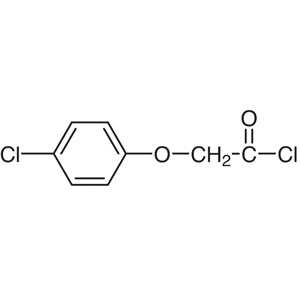
4-ChlorophenoxyacetylChloride TCI C0832
Regular price From Rp 1.961.400,00Regular priceRp 1.387.050,00Sale price From Rp 1.961.400,00 -
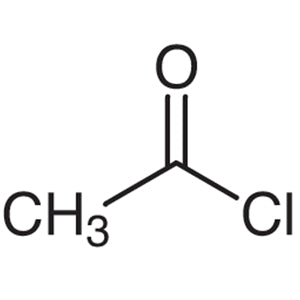
AcetylChloride TCI A0082
Regular price From Rp 848.400,00Regular priceRp 609.000,00Sale price From Rp 848.400,00 -
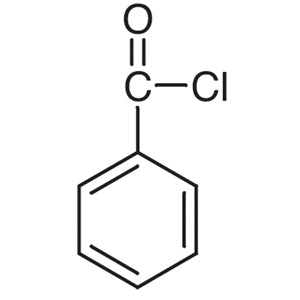
BenzoylChloride TCI B0105
Regular price Rp 557.550,00Regular priceRp 405.300,00Sale price Rp 557.550,00 -
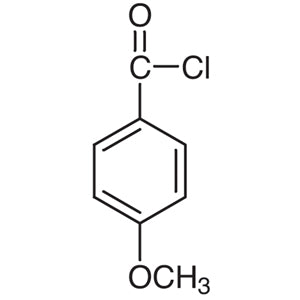
4-MethoxybenzoylChloride TCI M0721
Regular price From Rp 1.033.200,00Regular priceRp 738.150,00Sale price From Rp 1.033.200,00 -
IsobutyrylChloride TCI I0115
Regular price From Rp 822.150,00Regular priceRp 590.100,00Sale price From Rp 822.150,00 -
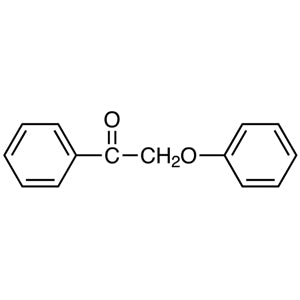
2-Phenoxyacetophenone TCI P2121
Regular price Rp 1.351.350,00Regular priceRp 960.750,00Sale price Rp 1.351.350,00 -
4'-Phenoxyacetophenone TCI P1355
Regular price Rp 1.351.350,00Regular priceRp 960.750,00Sale price Rp 1.351.350,00 -
4-BromophenoxyaceticAcid TCI B2746
Regular price From Rp 689.850,00Regular priceRp 497.700,00Sale price From Rp 689.850,00