Trans-2-Pentenoic Acid is a chemical compound widely used in laboratory settings as a foundational building block for various chemical reactions and molecular synthesis. It serves as a key reagent in organic chemistry, enabling the creation of more complex compounds through functional group modifications. This compound is particularly valuable in synthetic pathways where controlled reactivity and structural specificity are required. Its presence in the chemical supply chain makes it an essential component for researchers and chemists working on diverse projects.
The compound's stability and controlled reactivity make it a preferred choice for laboratory applications. It exhibits polarity, which allows it to dissolve in organic solvents such as ethyl acetate and ethanol. This solubility enhances its reactivity with various reagents under acidic or basic conditions. Its ability to participate in substitution, hydrolysis, and addition reactions makes it versatile for different synthetic strategies. Additionally, its resistance to degradation under normal conditions ensures consistent performance in experimental setups.
In Indonesian laboratories, Trans-2-Pentenoic Acid is commonly used in organic chemistry research, particularly in the synthesis of esters, amides, and aromatic compounds. It is a key reagent in academic and industrial research settings, supporting the development of new chemical compounds and materials. Its availability through reliable suppliers like AMI Scientific ensures that researchers have access to high-quality materials for their experiments.
- Organic synthesis applications benefit from Trans-2-Pentenoic Acid due to its reactivity and structural versatility in creating complex molecules.
- Esterification processes often use this compound as a precursor to produce ester derivatives with specific functional groups.
- Amide synthesis relies on its ability to undergo nucleophilic substitution reactions under controlled conditions.
- Aromatic compound synthesis benefits from its ability to participate in electrophilic substitution reactions.
- Functional group modification projects utilize its reactivity for introducing or altering specific chemical functionalities.
| Brand | TCI |
|---|---|
| CAS number | 13991-37-2 |
| Molecular formula | — |
| Purity | — |
| Category | Chemistry > Building Blocks > Non-Heterocyclic Building Blocks |
| Pack sizes | Available in standard laboratory quantities |
| Physical form | Liquid |
| Storage | Store in a cool, dry place away from direct sunlight |
Trans-2-Pentenoic Acid should be stored in a cool, dry location, away from direct sunlight and sources of heat. It is recommended to use airtight containers to prevent exposure to moisture and air, which could affect its stability. Due to its polarity, it is advisable to store it in glass or polyethylene containers to avoid chemical interactions. Laboratory personnel should handle the compound with care, using appropriate personal protective equipment such as gloves and goggles. It is important to ensure proper ventilation in the workspace to minimize inhalation of vapors. Regular monitoring of storage conditions helps maintain the compound's integrity and ensures safe usage in experimental settings.
—
Produk Terkait
-
TCI B5774 5,10-Bis(4,4,5,5-tetramethyl-1,3,2-dioxaborolan-2-yl)naphtho[1,2-c:5,6-c']bis([1,2,5]oxadiazole)
Regular price Rp 10.255.350,00Regular price -
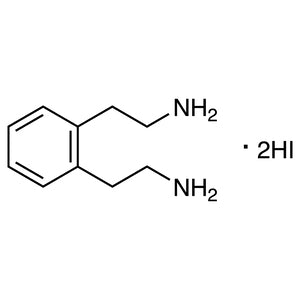
Dihydroiodide TCI B6569
Regular price From Rp 1.936.200,00Regular price -
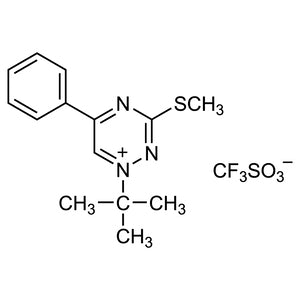
Trifluoromethanesulfonate TCI B7003
Regular price From Rp 1.936.200,00Regular price
![5,10-Bis(4,4,5,5-tetramethyl-1,3,2-dioxaborolan-2-yl)naphtho[1,2-c:5,6-c']bis([1,2,5]oxadiazole) - TCI B5774 - AMI Scientific](http://amiscientific.com/cdn/shop/files/TCI2510B5774.jpg?v=1769180228&width=533)