4-Phenylbutyric Acid from TCI (product code P0643, CAS 1821-12-1) is an aromatic carboxylic acid. A three-carbon chain links its phenyl ring to a carboxyl group. In organic chemistry laboratories it serves as a non-heterocyclic building block for making esters, amides and cyclic compounds. In biomedical research its sodium salt is widely known, and the acid form itself is studied extensively as a chemical chaperone and as a histone deacetylase (HDAC) inhibitor. Because of these two roles, both synthesis laboratories and cell biology laboratories use this compound.
Researchers choose 4-Phenylbutyric Acid because its structure is simple but biologically meaningful. In cellular models it can help proteins fold correctly and relieve endoplasmic reticulum stress. This makes it an important tool in research on protein misfolding diseases, metabolism and cancer. For synthesis, its carboxyl group is easy to activate. Intramolecular cyclisation by Friedel-Crafts acylation gives α-tetralone, a classic intermediate for a wide range of polycyclic compounds. The compound is also fairly stable and easy to handle as a solid, which suits routine laboratory work.
In Indonesia, 4-Phenylbutyric Acid is used by university organic chemistry groups, pharmaceutical and medicinal chemistry research teams, and biomedical laboratories that study cellular stress and gene regulation. Synthesis laboratories use it as a starting material for building aromatic and polycyclic frameworks. Cell biology and molecular research groups use it as a reference compound in protein folding and HDAC studies. Its role in both chemistry and biology makes it a useful stock reagent for laboratories that do interdisciplinary research.
- Ester and amide synthesis: the carboxyl group activates easily, so the compound couples readily with alcohols and amines to give a range of phenylalkyl esters and amides.
- Friedel-Crafts cyclisation to α-tetralone: intramolecular acylation turns the three-carbon chain and phenyl ring into α-tetralone, a classic intermediate for many polycyclic target compounds.
- Chemical chaperone studies: the acid is widely studied for helping proteins fold correctly, so it is a standard tool in cellular models of protein misfolding disease.
- Endoplasmic reticulum stress research: it can relieve ER stress in cellular models, so researchers use it to study how cells respond to stress in metabolism and disease.
- HDAC inhibition and cancer research: as a recognised histone deacetylase inhibitor, it supports studies of gene regulation and of cancer biology in cell-based experiments.
| Brand | TCI (product code P0643) |
|---|---|
| CAS number | 1821-12-1 |
| Molecular formula | — |
| Purity | — |
| Category | Chemistry > Building Blocks > Non-Heterocyclic Building Blocks |
| Pack sizes | offered in the pack sizes listed on the product page |
| Physical form | solid |
| Storage | keep tightly closed in a cool, dry place; follow the TCI label and Safety Data Sheet |
Store 4-Phenylbutyric Acid in its original, tightly sealed container in a cool, dry, well-ventilated area, away from direct sunlight, heat and incompatible materials such as strong oxidising agents and strong bases. Close containers promptly after use to keep out moisture and contamination. Wear standard personal protective equipment when handling the solid, including a lab coat, safety glasses and chemical-resistant gloves. Weigh it in a fume hood or a well-ventilated area to avoid breathing in dust, and avoid contact with skin and eyes. Always read the TCI Safety Data Sheet before use, and dispose of waste according to local regulations and your institution's procedures.
—
Produk Terkait
-
TCI B5774 5,10-Bis(4,4,5,5-tetramethyl-1,3,2-dioxaborolan-2-yl)naphtho[1,2-c:5,6-c']bis([1,2,5]oxadiazole)
Regular price Rp 10.255.350,00Regular price -
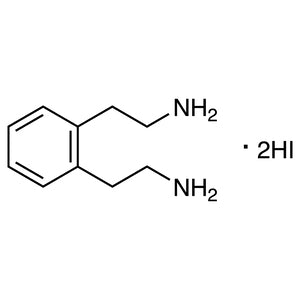
Dihydroiodide TCI B6569
Regular price From Rp 1.936.200,00Regular price -
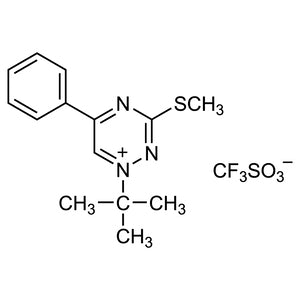
Trifluoromethanesulfonate TCI B7003
Regular price From Rp 1.936.200,00Regular price
![5,10-Bis(4,4,5,5-tetramethyl-1,3,2-dioxaborolan-2-yl)naphtho[1,2-c:5,6-c']bis([1,2,5]oxadiazole) - TCI B5774 - AMI Scientific](http://amiscientific.com/cdn/shop/files/TCI2510B5774.jpg?v=1769180228&width=533)