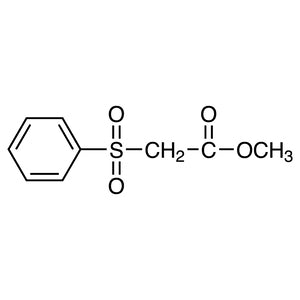
Methyl Phenylsulfonylacetate from TCI is a methyl ester that carries a phenylsulfonyl group on its alpha carbon. Because of this structure, the molecule contains an active methylene group positioned between two electron-withdrawing groups, the sulfonyl and the ester. It is a versatile non-heterocyclic building block for organic synthesis. In the laboratory, it acts as a carbon nucleophile once a base has removed a proton. Researchers use it to form new carbon-carbon bonds and to build more complex molecular frameworks one step at a time.
Chemists choose this compound because the hydrogen atoms on its methylene carbon are fairly acidic, so a relatively mild base can remove them. The sulfonyl and ester groups both stabilise the resulting carbanion. The carbanion can then take part in alkylation, Michael addition, Knoevenagel condensation, or palladium-catalysed allylic substitution. Once the desired carbon bond has formed, the phenylsulfonyl group can be removed by reductive desulfonylation. The group therefore works as a "temporary activator" that makes it easier to prepare substituted esters and cyclic compounds, and it does not have to stay in the final product.
In Indonesia, this reagent suits synthetic organic chemistry laboratories at universities, research institutes, and industrial research and development units. Typical users include research groups that synthesise intermediates, students working on final projects or theses in organic synthesis, and teams developing new synthetic routes for pharmaceutical or fine-chemical targets. Because the material comes from TCI, laboratories get a recognised research-grade source for multistep work, where consistent starting materials help make results reproducible.
- Carbanion alkylation: after mild deprotonation, the stabilised carbanion reacts with alkyl halides, which lets chemists add new carbon chains next to the ester function in a controlled way.
- Michael addition: the stabilised nucleophile adds to α,β-unsaturated acceptors, which forms new carbon-carbon bonds and creates useful functionalised intermediates for longer synthetic sequences.
- Knoevenagel condensation: the active methylene group condenses with aldehydes or ketones to give unsaturated products, which supports the building of conjugated systems and more complex frameworks.
- Palladium-catalysed allylic substitution: the soft, stabilised carbanion is a suitable nucleophile for palladium-catalysed allylic reactions, so researchers can introduce allyl fragments under catalytic conditions.
- Temporary activation followed by desulfonylation: the phenylsulfonyl group activates the carbon for bond formation and can then be removed reductively, giving substituted esters and cyclic compounds without leaving sulfur behind.
| Brand | TCI |
|---|---|
| CAS number | 34097-60-4 |
| Molecular formula | — |
| Purity | — |
| Category | Chemistry > Building Blocks > Non-Heterocyclic Building Blocks |
| Pack sizes | available in the pack sizes offered in the TCI catalogue; please confirm the size when you enquire |
| Physical form | refer to the TCI product label and Certificate of Analysis for the physical form and recommended storage conditions |
| Storage | — |
- Product code: P1353
Store Methyl Phenylsulfonylacetate in its original tightly closed TCI container in a cool, dry, well-ventilated area. Keep it away from heat, direct sunlight, moisture, and incompatible materials such as strong bases and strong oxidising agents. Always follow the storage conditions printed on the product label. When you handle it, wear standard laboratory personal protective equipment, including safety glasses, chemical-resistant gloves, and a lab coat. Work in a fume hood whenever possible, avoid inhaling dust or vapour, and prevent contact with skin and eyes. Close the container right after use, label any secondary containers clearly, and read the Safety Data Sheet (SDS) before first use. Dispose of waste according to local regulations and your institution's procedures.
—
Produk Terkait
-
TCI B5774 5,10-Bis(4,4,5,5-tetramethyl-1,3,2-dioxaborolan-2-yl)naphtho[1,2-c:5,6-c']bis([1,2,5]oxadiazole)
Regular price Rp 10.255.350,00Regular price -
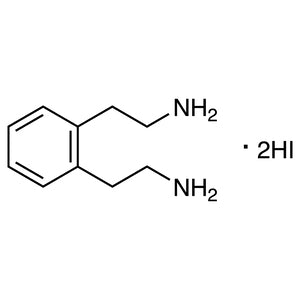
Dihydroiodide TCI B6569
Regular price From Rp 1.936.200,00Regular price -
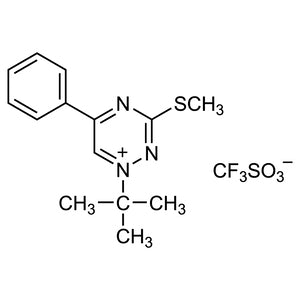
Trifluoromethanesulfonate TCI B7003
Regular price From Rp 1.936.200,00Regular price
![5,10-Bis(4,4,5,5-tetramethyl-1,3,2-dioxaborolan-2-yl)naphtho[1,2-c:5,6-c']bis([1,2,5]oxadiazole) - TCI B5774 - AMI Scientific](http://amiscientific.com/cdn/shop/files/TCI2510B5774.jpg?v=1769180228&width=533)