alpha-Pinene Oxide from TCI (product code P1362, CAS 1686-14-2) is an epoxide derived from alpha-pinene, one of the most abundant monoterpenes in nature and the main component of turpentine oil. The molecule has a bicyclic pinane skeleton carrying a three-membered, oxygen-containing oxirane (epoxide) ring, which places it among the heterocyclic building blocks. In the laboratory it serves as a versatile intermediate for preparing a wide range of oxygenated terpene derivatives through ring-opening reactions and rearrangements of the carbon skeleton.
Its main appeal is a strained, reactive epoxide ring fused to a bicyclic framework that is itself strained. With Lewis acid catalysts, alpha-Pinene Oxide can rearrange into several products, including campholenic aldehyde, an important intermediate in fragrance chemistry. Which products form depends strongly on the catalyst, the solvent, and the reaction conditions. This sensitivity makes it a popular model substrate for testing the selectivity of both heterogeneous and homogeneous catalysts. Because it comes from a renewable natural feedstock, it is also valuable in green chemistry research.
In Indonesia, research on terpene derivatives benefits from local access to pine-derived raw materials such as turpentine. University chemistry departments, catalysis research groups, and industrial R&D laboratories use alpha-Pinene Oxide to study epoxide rearrangement, to develop new solid acid catalysts, and to explore ways of turning natural terpenes into higher-value fine chemicals and fragrance ingredients. A consistent reagent from TCI helps these laboratories get reproducible results between experiments and compare their findings fairly with published work.
- Catalyst selectivity studies: alpha-Pinene Oxide is a well-known model substrate because its rearrangement products change noticeably with the catalyst, so it shows clearly how selective a catalyst is.
- Synthesis of campholenic aldehyde: Lewis acid-catalysed rearrangement of this epoxide gives campholenic aldehyde, a key intermediate for preparing fragrance compounds in research-scale work.
- Epoxide ring-opening chemistry: the strained oxirane ring reacts readily with nucleophiles, so researchers can prepare oxygenated terpene derivatives for further synthetic work.
- Green chemistry and renewable feedstock research: because it comes from abundant natural alpha-pinene, the compound suits studies that turn biomass-derived terpenes into fine chemicals.
- Teaching and research in heterocyclic chemistry: its combination of a bicyclic skeleton and a reactive epoxide makes it a clear example of how ring strain drives reactivity and skeletal rearrangement.
| Brand | TCI (product code P1362) |
|---|---|
| CAS number | 1686-14-2 |
| Molecular formula | — |
| Purity | — |
| Category | Chemistry > Building Blocks > Heterocyclic Building Blocks |
| Pack sizes | as listed on the product page |
| Physical form | see the TCI product documentation and Certificate of Analysis |
| Storage | follow the conditions on the product label and Safety Data Sheet |
Keep alpha-Pinene Oxide in its original, tightly closed container in a cool, dry, well-ventilated area, away from heat, ignition sources, and direct sunlight. Follow the storage temperature on the TCI label and Safety Data Sheet. Because epoxides are reactive, store the compound away from strong acids, Lewis acids, bases, and oxidizing agents, since these can trigger unwanted ring-opening or rearrangement. Handle it in a fume hood and wear suitable gloves, safety glasses, and a lab coat. Avoid breathing vapours and avoid contact with skin and eyes. Reseal containers promptly after use, label any portions you transfer, and dispose of waste according to local regulations and your institution's chemical safety procedures.
—
Produk Terkait
-
TCI B5774 5,10-Bis(4,4,5,5-tetramethyl-1,3,2-dioxaborolan-2-yl)naphtho[1,2-c:5,6-c']bis([1,2,5]oxadiazole)
Regular price Rp 10.255.350,00Regular price -
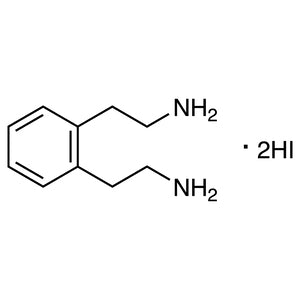
Dihydroiodide TCI B6569
Regular price From Rp 1.936.200,00Regular price -
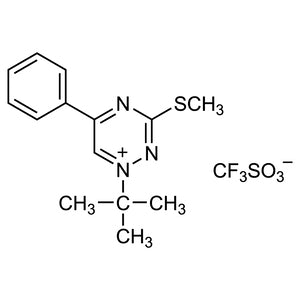
Trifluoromethanesulfonate TCI B7003
Regular price From Rp 1.936.200,00Regular price
![5,10-Bis(4,4,5,5-tetramethyl-1,3,2-dioxaborolan-2-yl)naphtho[1,2-c:5,6-c']bis([1,2,5]oxadiazole) - TCI B5774 - AMI Scientific](http://amiscientific.com/cdn/shop/files/TCI2510B5774.jpg?v=1769180228&width=533)