TCI (S)-(+)-alpha-(Trifluoromethyl)benzyl Alcohol, also known as (S)-2,2,2-trifluoro-1-phenylethanol, is the (S)-enantiomer of a chiral fluorinated benzyl alcohol. Its stereogenic centre carries a phenyl group, a trifluoromethyl group, a hydroxyl group and a hydrogen atom. The compound belongs to the chiral building blocks used in asymmetric synthesis. In the laboratory it works as an optically active building block for making fluorinated compounds and as a reference standard in enantiomer analysis. It can also help determine the enantiomeric composition of other analytes, mainly by NMR spectroscopy.
Like its opposite enantiomer, this compound has a strongly electronegative trifluoromethyl group. This group makes the hydroxyl more acidic and better at forming hydrogen bonds. Because of this, the compound can act as a chiral solvating agent that separates the signals of an analyte's enantiomers in an NMR spectrum. The fluorine atoms also give a distinctive 19F signal, which makes reaction monitoring easier. Its positive optical rotation is a practical marker of the (S) configuration, so identity can be checked quickly with a polarimeter. Together, these features make it a versatile choice for both synthesis and analysis.
For asymmetric synthesis and pharmaceutical analysis laboratories in Indonesia, this TCI reagent supports research and quality control work that depends on stereochemistry. University research groups can use it as a chiral starting material for fluorinated target molecules. Analytical laboratories can use it as an enantiomeric reference or as an NMR aid for checking the enantiomeric purity of chiral compounds. Its well-defined configuration and fluorine label make it useful in teaching, method development and routine stereochemical verification.
- Chiral building block synthesis: the defined (S) stereocentre carrying a trifluoromethyl group lets chemists add an optically active fluorinated fragment to target molecules in asymmetric synthesis routes.
- Synthesis of fluorinated compounds: the built-in trifluoromethyl group gives a ready way into fluorine-containing structures, which are widely studied in pharmaceutical and materials research.
- Chiral solvating agent in NMR spectroscopy: the acidic, strongly hydrogen-bonding hydroxyl group can interact with chiral analytes and separate their enantiomer signals, helping laboratories estimate enantiomeric composition.
- Reference standard for enantiomer analysis: as a single (S)-enantiomer, it can be used as a comparison standard when identifying and assigning enantiomers in chiral analytical methods.
- Reaction monitoring and identity checks: the distinctive 19F NMR signal makes reaction progress easy to follow, while the positive optical rotation allows quick polarimetric confirmation of the (S) configuration.
| Brand | TCI |
|---|---|
| CAS number | 340-06-7 |
| Molecular formula | — |
| Purity | — |
| Category | Chemistry > Asymmetric Synthesis > Chiral Building Blocks |
| Pack sizes | see the product page and the TCI certificate of analysis for the pack sizes and physical description currently available |
| Physical form | — |
| Storage | follow the storage conditions on the TCI label and Safety Data Sheet |
- Product code: P1368
Store this compound in its original, tightly closed TCI container in a cool, dry, well-ventilated area, away from heat sources, direct sunlight and incompatible materials such as strong oxidising agents. Always follow the storage temperature and conditions on the product label and Safety Data Sheet. Keep the container closed when not in use to protect it from moisture and contamination, which matters most for samples used as enantiomeric references or NMR aids. Handle it in a fume hood while wearing suitable personal protective equipment, including chemical-resistant gloves, safety glasses and a laboratory coat. Avoid contact with skin and eyes, and do not breathe in vapours. Use clean, dry glassware and tools so the material's optical purity is not compromised. Dispose of residues and contaminated materials according to local regulations and your institution's chemical waste procedures.
—
Produk Terkait
-
TCI B5774 5,10-Bis(4,4,5,5-tetramethyl-1,3,2-dioxaborolan-2-yl)naphtho[1,2-c:5,6-c']bis([1,2,5]oxadiazole)
Regular price Rp 10.255.350,00Regular price -
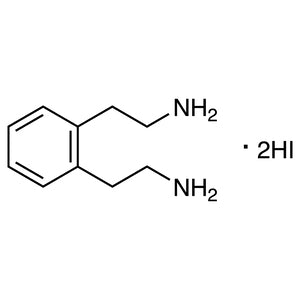
Dihydroiodide TCI B6569
Regular price From Rp 1.936.200,00Regular price -
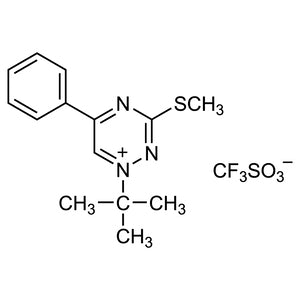
Trifluoromethanesulfonate TCI B7003
Regular price From Rp 1.936.200,00Regular price
![5,10-Bis(4,4,5,5-tetramethyl-1,3,2-dioxaborolan-2-yl)naphtho[1,2-c:5,6-c']bis([1,2,5]oxadiazole) - TCI B5774 - AMI Scientific](http://amiscientific.com/cdn/shop/files/TCI2510B5774.jpg?v=1769180228&width=533)