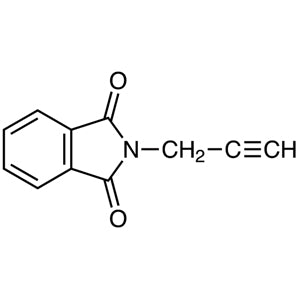
N-Propargylphthalimide is an organic compound that combines a phthalimide group with a propargyl group, a three-carbon chain ending in a terminal alkyne. In this molecule, the propargyl group is attached to the phthalimide nitrogen atom. TCI supplies it as a Non-Heterocyclic Building Block for organic synthesis. In the laboratory, it is best known as a protected form of propargylamine. The phthalimide group shields the nitrogen while other reactions take place, and it can later be removed to give a primary amine that carries a terminal alkyne.
Chemists choose this compound because it brings together two functions that work well in sequence. The phthalimide group is a classic amine protecting group that is stable under many reaction conditions. It can be removed with hydrazine, following a procedure similar to the Gabriel synthesis. The terminal alkyne takes part in copper-catalysed azide–alkyne click chemistry, Sonogashira coupling, and a range of addition reactions. Researchers can therefore install the alkyne unit first and free the amine group at a later stage, which gives them good control over multistep synthetic routes.
Synthetic chemistry, medicinal chemistry, and materials science laboratories in Indonesia often need alkyne-bearing building blocks to construct triazoles, linkers, and functionalised intermediates. N-Propargylphthalimide suits university research groups, pharmaceutical development teams, and polymer or materials laboratories that need a dependable route to propargylamine derivatives. Its role as a protected amine also makes it useful in teaching laboratories that demonstrate protecting-group strategies and Gabriel-type deprotection in advanced organic chemistry courses.
TCI brochures (PDF)
- Click Chemistry 2026-09-08 · p. 15
Related TCI products
- Protected propargylamine source: the phthalimide group keeps the nitrogen unreactive during earlier steps and can be removed with hydrazine to release a primary amine carrying a terminal alkyne.
- Copper-catalysed azide–alkyne click chemistry: the terminal alkyne reacts readily with organic azides to form triazole linkages, which are useful in bioconjugation and in building molecular libraries.
- Sonogashira cross-coupling: the terminal alkyne couples with aryl or vinyl halides, so researchers can attach a protected aminomethyl-alkyne unit to aromatic scaffolds in medicinal chemistry work.
- Addition reactions across the alkyne: the triple bond accepts a range of addition reactions, letting chemists build more functionalised intermediates while the protected amine stays intact.
- Teaching protecting-group strategy: the compound shows clearly how a phthalimide shields an amine and how a Gabriel-type hydrazine deprotection then frees it, which makes it a good fit for advanced organic chemistry courses.
| Brand | TCI (product code P2329) |
|---|---|
| CAS number | 7223-50-9 |
| Molecular formula | — |
| Purity | — |
| Category | Chemistry > Building Blocks > Non-Heterocyclic Building Blocks |
| Pack sizes | TCI standard pack sizes; please confirm available options when ordering |
| Physical form | please refer to the TCI product specification and certificate of analysis |
| Storage | follow the storage conditions on the TCI label and safety data sheet |
Keep N-Propargylphthalimide in its original, tightly closed container in a cool, dry, well-ventilated place, away from heat, direct sunlight, and incompatible materials such as strong oxidising agents. Always follow the storage temperature and conditions stated on the TCI label and safety data sheet. Close the container promptly after use so that moisture and air do not affect the material. Handle the compound in a fume hood or another well-ventilated area, and wear standard laboratory protective equipment, including safety glasses, gloves, and a lab coat. Avoid creating dust, and avoid contact with skin, eyes, and clothing. Label any working containers clearly, and dispose of waste according to institutional and local chemical waste regulations.
—
Product Categories
Produk Terkait
-
N-(Propargyloxy)phthalimide TCI P2342
Regular price From Rp 980.700,00Regular priceRp 701.400,00Sale price From Rp 980.700,00 -
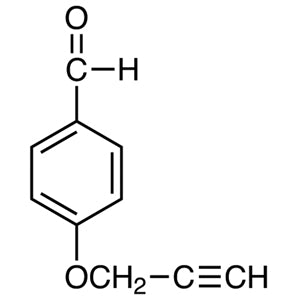
4-(Propargyloxy)benzaldehyde TCI P2339
Regular price From Rp 1.458.450,00Regular priceRp 1.019.550,00Sale price From Rp 1.458.450,00 -
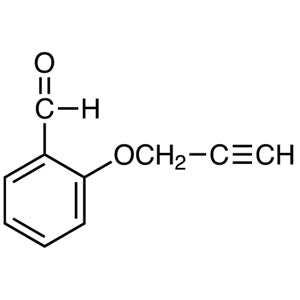
2-(Propargyloxy)benzaldehyde TCI P2338
Regular price From Rp 717.150,00Regular priceRp 500.850,00Sale price From Rp 717.150,00 -
N-(4-Bromophenyl)phthalimide TCI B2707
Regular price From Rp 2.782.500,00Regular priceRp 1.961.400,00Sale price From Rp 2.782.500,00 -
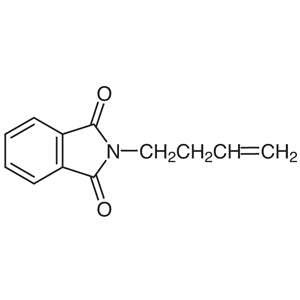
N-(3-Buten-1-yl)phthalimide TCI B1881
Regular price Rp 7.949.550,00Regular priceRp 5.574.450,00Sale price Rp 7.949.550,00 -
PhthalimidePotassiumSalt TCI P0403
Regular price From Rp 610.050,00Regular priceRp 442.050,00Sale price From Rp 610.050,00 -
Phthalimide TCI P0402
Regular price From Rp 582.750,00Regular priceRp 423.150,00Sale price From Rp 582.750,00 -
N-(2-Hydroxyethyl)phthalimide TCI H0245
Regular price From Rp 742.350,00Regular priceRp 534.450,00Sale price From Rp 742.350,00