N-(Propargyloxy)phthalimide is a derivative of N-hydroxyphthalimide in which a propargyl group is attached through the oxygen atom, forming an N–O–CH₂–C≡CH linkage. TCI supplies it as a Non-Heterocyclic Building Block. In the laboratory, its main use is as a protected precursor of O-propargylhydroxylamine. Removing the phthalimide group releases a free aminooxy group that carries a terminal alkyne. The resulting compound is an important reagent for oxime ligation, and it can also be combined with click chemistry in the same synthetic route.
Researchers choose this compound because one molecule gives them two bioorthogonal conjugation handles. After deprotection, the aminooxy group reacts selectively with aldehydes and ketones to form a relatively stable oxime bond. The terminal alkyne reacts with azides through copper-catalysed cycloaddition, so a second component can be attached independently. The protected phthalimide form is more stable and easier to store than the free hydroxylamine. Researchers can therefore keep it on hand and remove the protecting group shortly before use. This lowers the risk of the reactive aminooxy group degrading during storage and makes it easier to plan multi-step conjugation work.
In Indonesia, chemical biology, medicinal chemistry, and materials science laboratories use this compound for biomolecule labelling, glycan conjugation, and surface modification. University research groups and institutional laboratories building heterobifunctional linkers can introduce an oxime linkage and a click-ready alkyne in the same sequence. This makes it useful for probe design, attaching molecules to carbohydrates or carbonyl-bearing substrates, and building functional materials whose surfaces need precisely positioned reactive groups for later attachment steps.
TCI brochures (PDF)
- Click Chemistry 2026-09-08 · p. 15
Related TCI products
- Preparation of O-propargylhydroxylamine: removing the phthalimide protecting group releases the free aminooxy compound bearing a terminal alkyne, so the more reactive species can be prepared only when it is needed.
- Oxime ligation with aldehydes and ketones: the aminooxy group formed after deprotection reacts selectively with carbonyl groups to give relatively stable oxime bonds, which suits chemoselective conjugation.
- Copper-catalysed azide–alkyne cycloaddition: the terminal propargyl alkyne reacts with azide partners in click chemistry, so researchers can attach fluorophores, tags, or other functional units after the oxime step.
- Glycan and biomolecule labelling: reducing sugars and carbonyl-bearing biomolecules can be tagged through oxime formation, leaving an alkyne handle available for detection or further conjugation.
- Surface and materials modification: combining oxime and click chemistry in one reagent allows stepwise attachment of molecules to surfaces, polymers, or functional materials where two orthogonal coupling reactions are needed.
| Brand | TCI (product code P2342) |
|---|---|
| CAS number | 4616-63-1 |
| Molecular formula | — |
| Purity | — |
| Category | Chemistry > Building Blocks > Non-Heterocyclic Building Blocks |
| Pack sizes | please check the current TCI listing or ask our team about available packaging |
| Physical form | see the manufacturer's certificate of analysis and safety data sheet |
| Storage | keep the container tightly closed and follow the storage conditions on the TCI label and SDS |
Keep N-(Propargyloxy)phthalimide in its original, tightly sealed container, in a cool, dry, well-ventilated place away from heat, direct sunlight, and incompatible substances such as strong oxidising agents. Follow the storage temperature stated on the TCI label and safety data sheet. Handle the material in a fume hood or a well-ventilated area, and wear suitable gloves, safety glasses, and a laboratory coat. Avoid creating dust and avoid contact with skin, eyes, and clothing. Reseal the container promptly after each use to protect it from moisture. When you deprotect it to the free hydroxylamine, prepare only the amount you need and use it shortly afterwards. Dispose of residues according to local regulations and your institution's chemical waste procedures.
—
Product Categories
Produk Terkait
-
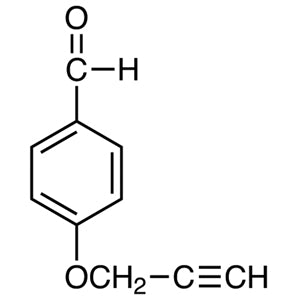
4-(Propargyloxy)benzaldehyde TCI P2339
Regular price From Rp 1.458.450,00Regular priceRp 1.019.550,00Sale price From Rp 1.458.450,00 -
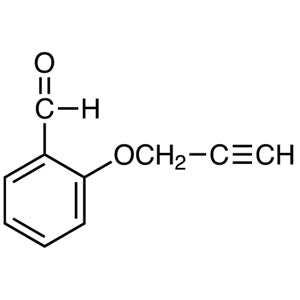
2-(Propargyloxy)benzaldehyde TCI P2338
Regular price From Rp 717.150,00Regular priceRp 500.850,00Sale price From Rp 717.150,00 -
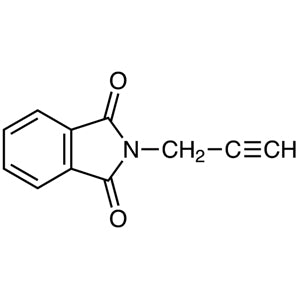
N-Propargylphthalimide TCI P2329
Regular price From Rp 2.914.800,00Regular priceRp 2.053.800,00Sale price From Rp 2.914.800,00 -
N-(4-Bromophenyl)phthalimide TCI B2707
Regular price From Rp 2.782.500,00Regular priceRp 1.961.400,00Sale price From Rp 2.782.500,00 -
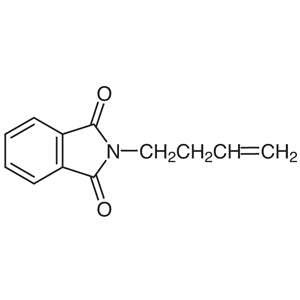
N-(3-Buten-1-yl)phthalimide TCI B1881
Regular price Rp 7.949.550,00Regular priceRp 5.574.450,00Sale price Rp 7.949.550,00 -
PhthalimidePotassiumSalt TCI P0403
Regular price From Rp 610.050,00Regular priceRp 442.050,00Sale price From Rp 610.050,00 -
Phthalimide TCI P0402
Regular price From Rp 582.750,00Regular priceRp 423.150,00Sale price From Rp 582.750,00 -
N-(2-Hydroxyethyl)phthalimide TCI H0245
Regular price From Rp 742.350,00Regular priceRp 534.450,00Sale price From Rp 742.350,00