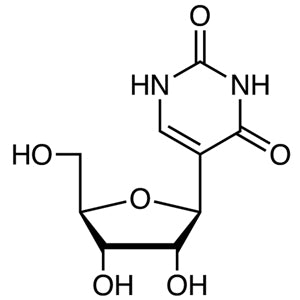
TCI P2396 Pseudouridine is a modified nucleoside and an isomer of uridine. In uridine, the uracil base is attached to the ribose sugar through a nitrogen atom. In pseudouridine, the base is attached through a carbon atom, which forms a C-glycosidic bond. Pseudouridine is one of the most abundant RNA modifications in nature and occurs in tRNA, rRNA and many other RNA species. In the laboratory, it is used as an analytical standard, as a subject of RNA biochemistry studies and as a research material in nucleic acid chemistry.
The C-glycosidic bond gives pseudouridine its distinctive properties. The compound is more resistant to glycosidic bond cleavage than uridine. Its uracil ring also carries an additional NH group that can act as a hydrogen-bond donor. These features affect the structural stability of RNA and how RNA interacts with other molecules. Pseudouridine and its derivatives are also well known in therapeutic mRNA research. Replacing uridine with modified nucleosides has been shown to reduce the innate immune response to synthetic mRNA. For this reason, pseudouridine is an important reference compound in studies of RNA modification.
In Indonesia, research in molecular biology, biotechnology and vaccine development keeps expanding, which makes reliable reference compounds increasingly important. University laboratories, research institutes and biotechnology groups can use TCI P2396 Pseudouridine as a comparison standard when they study modified nucleosides, characterise RNA samples or explore nucleic acid chemistry. AMI Scientific supplies this TCI product to support Indonesian researchers who need a well-defined modified nucleoside for analytical, biochemical and educational work in RNA science.
TCI brochures (PDF)
- Nucleoside Analogs for Synthetic mRNA Pseudouridines 2025-11-25 · p. 1
- Methylated Nucleoside in the 5’-Terminal Structure of Eukaryotic mRNA 2025-04-14 · p. 1
- Nucleosides, Nucleotides, Nucleic Acids and Related Reagents 2026-03-23 · p. 2
- Reagents for Biological Research 2025-03-11 · p. 60
- Analytical reference standard: pseudouridine serves as a well-defined comparison compound for identifying and distinguishing this modified nucleoside from uridine in RNA-related analyses.
- RNA biochemistry studies: as one of the most abundant natural RNA modifications, it is a relevant material for examining how modifications in tRNA, rRNA and other RNAs behave.
- RNA structural stability research: its C-glycosidic bond and extra NH hydrogen-bond donor make it useful for studying how modifications affect RNA structure and molecular interactions.
- Therapeutic mRNA research: because replacing uridine with modified nucleosides reduces the innate immune response to synthetic mRNA, pseudouridine is a key comparison compound in this field.
- Nucleic acid chemistry teaching and research: the structural difference between uridine and its C-linked isomer makes pseudouridine a clear example for exploring nucleoside chemistry and glycosidic bond behaviour.
| Brand | TCI |
|---|---|
| CAS number | 1445-07-4 |
| Molecular formula | — |
| Purity | — |
| Category | Chemistry > Chemical Biology > Nucleic Acid Chemistry |
| Pack sizes | as listed by TCI for product P2396 |
| Physical form | see the TCI product label and Safety Data Sheet |
| Storage | — |
- Product code: P2396
Store TCI P2396 Pseudouridine according to the conditions printed on the TCI label and Safety Data Sheet. Keep it in its original, tightly closed container in a clean, dry place, away from moisture, direct light and incompatible substances. Handle it in a clean work area with standard personal protective equipment, including gloves, a laboratory coat and safety glasses. Avoid creating dust and avoid contact with skin and eyes. Use clean spatulas and glassware so that the material is not contaminated, especially when it is used as an analytical standard. Label all working solutions clearly and dispose of waste in line with institutional laboratory safety procedures and local regulations.
—
Product Categories
- Biochemicals and ReagentsNucleosides, Nucleotides, OligonucleotidesNucleoside Analogs
- Biochemicals and ReagentsNucleosides, Nucleotides, OligonucleotidesNucleosides
- Molecular BiologyEpigeneticsBase Modified Nucleosides and Nucleotides
- Pharmaceutical Development and Drug Discovery ResearchNucleic Acid ChemistryBase Modified Nucleosides and Nucleotides
Produk Terkait
-
1-Methylpseudouridine TCI M3387
Regular price From Rp 6.095.250,00Regular priceRp 4.277.700,00Sale price From Rp 6.095.250,00 -
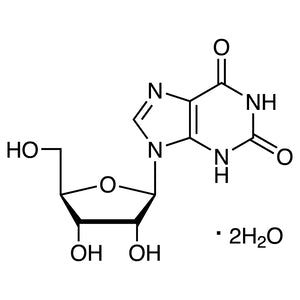
XanthosineDihydrate TCI X0008
Regular price Rp 1.167.600,00Regular priceRp 831.600,00Sale price Rp 1.167.600,00 -
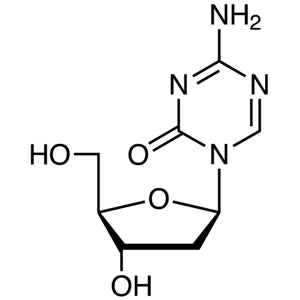
5-Aza-2'-deoxycytidine TCI A2232
Regular price From Rp 3.419.850,00Regular priceRp 2.406.600,00Sale price From Rp 3.419.850,00 -
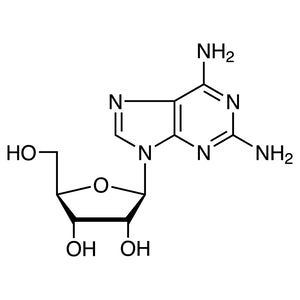
2-Aminoadenosine TCI A2135
Regular price From Rp 1.060.500,00Regular priceRp 757.050,00Sale price From Rp 1.060.500,00 -
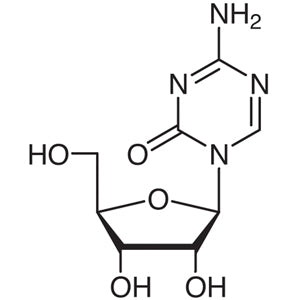
5-Azacytidine TCI A2033
Regular price From Rp 1.167.600,00Regular priceRp 831.600,00Sale price From Rp 1.167.600,00 -
6-Azauridine TCI A0559
Regular price Rp 505.050,00Regular priceRp 368.550,00Sale price Rp 505.050,00 -
8-Oxoadenosine TCI O0401
Regular price From Rp 4.001.550,00Regular priceRp 2.814.000,00Sale price From Rp 4.001.550,00 -
5-Methylcytidine TCI M1931
Regular price Rp 4.266.150,00Regular priceRp 2.998.800,00Sale price Rp 4.266.150,00