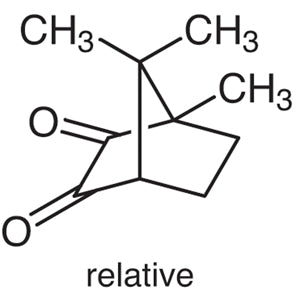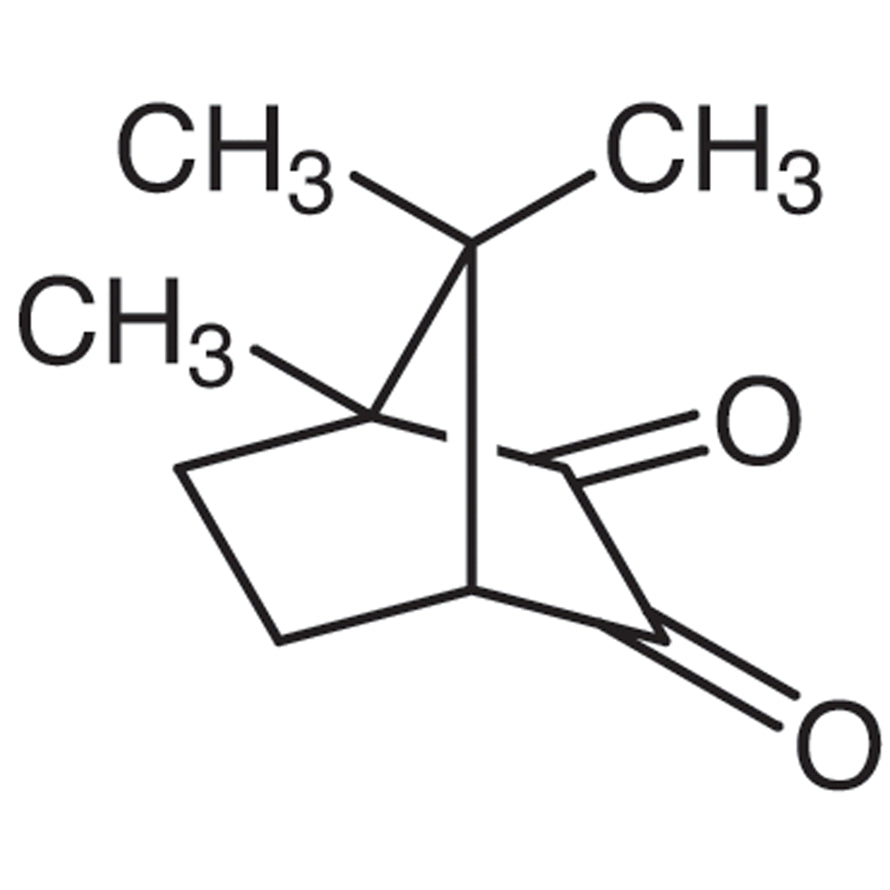
(1S)-(+)-Camphorquinone is a chiral compound widely used in asymmetric synthesis for the production of bioactive molecules. Its unique structure allows for the creation of compounds with specific stereochemistry, making it essential in pharmaceutical and biochemical research. This compound is particularly valuable in the development of new drugs due to its ability to form enantiomers with distinct biological activities. It is commonly used in laboratory settings for organic reactions and structural studies, especially in the field of medicinal chemistry. The compound is sensitive to oxidation and light, requiring careful handling and storage to maintain its integrity. Its role in creating complex molecular structures makes it a key component in advanced chemical research.
—
| Brand | — |
|---|---|
| CAS number | — |
| Molecular formula | — |
| Purity | — |
| Category | — |
| Pack sizes | — |
| Physical form | — |
| Storage | — |
—
- (2002). CAMPHORQUINONE AND CAMPHORQUINONE MONOXIME. Organic Syntheses doi:10.15227/orgsyn.079.0125
- Allonas et al. (2001). Excited-State Properties of Camphorquinone Based Monomeric and Polymeric Photoinitiators. Helvetica Chimica Acta doi:10.1002/1522-2675(20010919)84:9<2577::aid-hlca2577>3.0.co;2-q
- Sionkowska et al. (1999). Comparison of the photopolymerization kinetics of triethyleneglycol dimethacrylate initiated by camphorquinone/N-phenylglycine and camphorquinone/D,L-α-phenylglycine. Polymer Bulletin doi:10.1007/s002890050621
References were compiled automatically from Crossref and every DOI was verified to exist. AMI Scientific is not affiliated with the authors or the publishers.
Produk Terkait
-
Bicyclo[2.2.1]hept-5-en-2-one TCI B6638
Regular price From Rp 1.378.650,00Regular price -
(+)-Camphor TCI C0010
Regular price From Rp 477.750,00Regular price -
(+/-)-Camphor TCI C0011
Regular price From Rp 477.750,00Regular price -
(+/-)-Camphorquinone TCI C0014
Regular price From Rp 1.618.050,00Regular price -
Cyclododecanone TCI C0462
Regular price Rp 2.730.000,00Regular price -
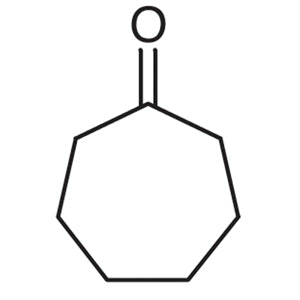
Cycloheptanone TCI C0466
Regular price From Rp 1.696.800,00Regular price -
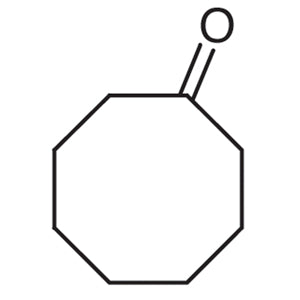
Cyclooctanone TCI C0504
Regular price From Rp 610.050,00Regular price -
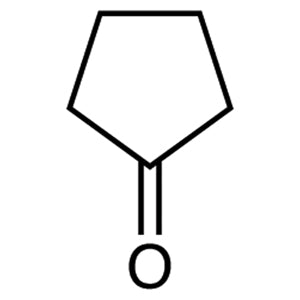
Cyclopentanone TCI C0510
Regular price From Rp 477.750,00Regular price
![Bicyclo[2.2.1]hept-5-en-2-one (CAS 694-98-4) - TCI B6638 - AMI Scientific](http://amiscientific.com/cdn/shop/files/TCI2510B6638.jpg?v=1767094075&width=533)