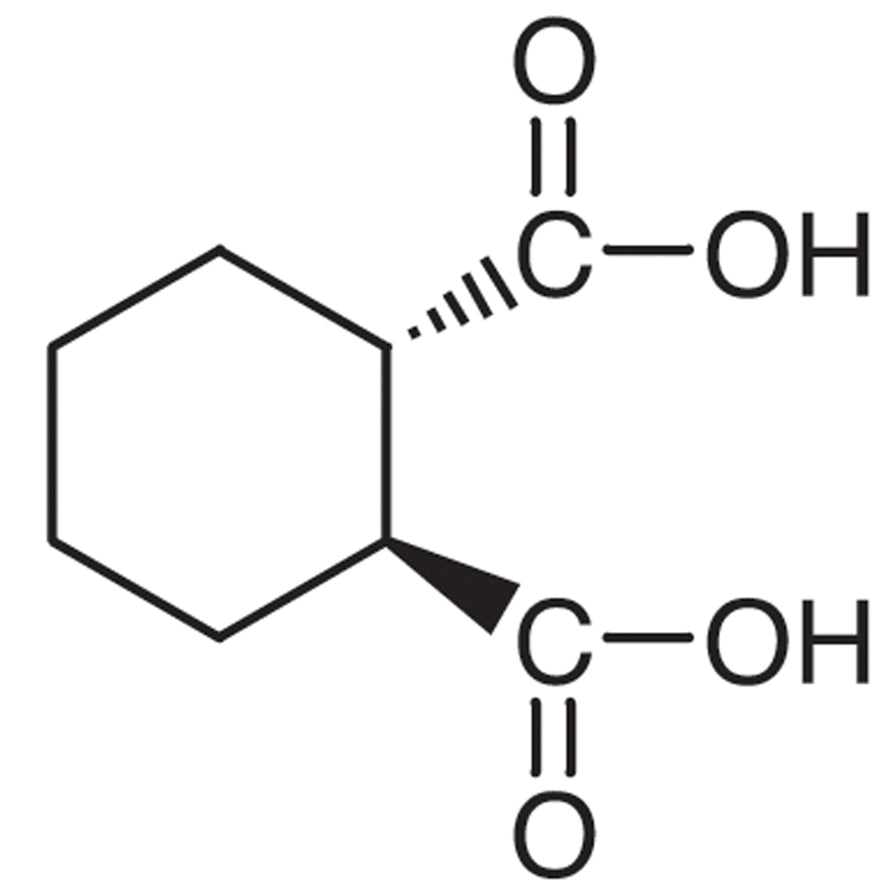
(1S,2S)-1,2-Cyclohexanedicarboxylic Acid is a chiral building block widely used in asymmetric synthesis to construct complex molecular structures. This compound plays a crucial role in organic chemistry laboratories, where it is employed to create molecules with specific stereochemistry. Its importance lies in its ability to influence the stereochemical outcome of reactions, making it a valuable tool in the development of pharmaceuticals and other chiral compounds. As a key component in asymmetric synthesis, it enables chemists to achieve precise control over the spatial arrangement of atoms in target molecules.
The compound's stable cyclic structure and two carboxylic acid groups make it highly reactive and versatile in various chemical reactions. These functional groups allow for a wide range of chemical transformations, including substitution, esterification, and asymmetric reactions. Its chemical stability under controlled conditions ensures consistent performance in laboratory settings, making it a preferred choice for researchers. The compound's ability to participate in multiple reaction pathways enhances its utility in both academic and industrial research environments.
In Indonesian laboratories, this compound is commonly used in organic chemistry research, particularly in the development of bioactive compounds. It is a fundamental reagent in experiments requiring precise molecular control, and its availability in pure form supports high-quality research. Many research institutions and universities rely on it as a key reagent in their synthetic processes, contributing to the advancement of chemical sciences in the region.
- Asymmetric Synthesis: This compound is ideal for creating chiral molecules with specific stereochemistry, essential in pharmaceutical development.
- Organic Chemistry Research: Its stable structure and reactivity make it a key reagent in complex molecule synthesis and structural analysis.
- Bioactive Compound Development: Used in the synthesis of compounds with biological activity, supporting drug discovery efforts.
- Structural Elucidation Studies: Its well-defined stereochemistry aids in determining molecular structures through spectroscopic analysis.
- Teaching and Training: Frequently used in academic settings to demonstrate asymmetric synthesis principles and molecular construction techniques.
| Brand | TCI |
|---|---|
| CAS number | 21963-41-7 |
| Molecular formula | — |
| Purity | — |
| Category | Chemistry > Asymmetric Synthesis > Chiral Building Blocks |
| Pack sizes | Available in various quantities as per standard laboratory supply |
| Physical form | Solid |
| Storage | Store in a cool, dry place away from moisture and direct light |
This compound should be stored in a cool, dry environment to maintain its chemical stability. It is recommended to keep it in a sealed container to prevent moisture absorption, which could affect its reactivity. Due to its carboxylic acid groups, it may require storage in a non-corrosive container to avoid degradation. Laboratory personnel should handle it with care, using appropriate personal protective equipment when necessary. It is important to ensure that the storage area is well-ventilated to minimize exposure to vapors. Proper labeling of containers is essential to ensure safe handling and prevent accidental misuse.
—
Produk Terkait
-
Bicyclo[2.2.2]octane-1,4-dicarboxylicAcid TCI B5595
Regular price Rp 4.957.050,00Regular price -
Bicyclo[2.2.2]octane-2,3,5,6-tetracarboxylic2,3:5,6-Dianhydride TCI B6198
Regular price From Rp 2.995.650,00Regular price -
Bicyclo[1.1.1]pentane-1,3-dicarboxylicAcid TCI B6522
Regular price Rp 4.797.450,00Regular price -
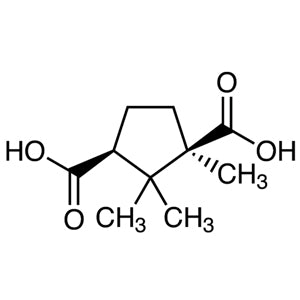
(+)-CamphoricAcid TCI C0012
Regular price From Rp 1.220.100,00Regular price -
cis-1,2-CyclohexanedicarboxylicAcid TCI C0458
Regular price From Rp 1.008.000,00Regular price -
trans-1,2-CyclohexanedicarboxylicAcid TCI C0474
Regular price From Rp 2.199.750,00Regular price -
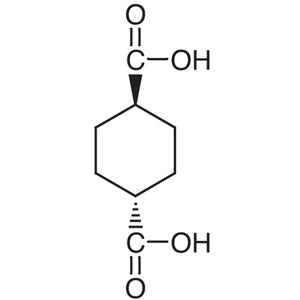
trans-1,4-CyclohexanedicarboxylicAcid TCI C0475
Regular price From Rp 1.881.600,00Regular price -
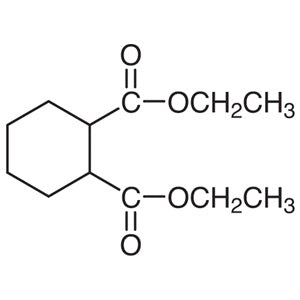
Diethylcis-1,2-Cyclohexanedicarboxylate(containsDiethyltrans-1,2-Cyclohexanedicarboxylate) TCI C0476
Regular price From Rp 1.749.300,00Regular price
![Bicyclo[2.2.2]octane-1,4-dicarboxylic Acid (CAS 711-02-4) - TCI B5595 - AMI Scientific](http://amiscientific.com/cdn/shop/files/TCI2510B5595.jpg?v=1767092548&width=533)
![Bicyclo[2.2.2]octane-2,3,5,6-tetracarboxylic 2,3:5,6-Dianhydride (CAS 2754-40-7) - TCI B6198 - AMI Scientific](http://amiscientific.com/cdn/shop/files/TCI2510B6198.jpg?v=1768816002&width=533)
![Bicyclo[1.1.1]pentane-1,3-dicarboxylic Acid (CAS 56842-95-6) - TCI B6522 - AMI Scientific](http://amiscientific.com/cdn/shop/files/TCI2510B6522.jpg?v=1767093799&width=533)