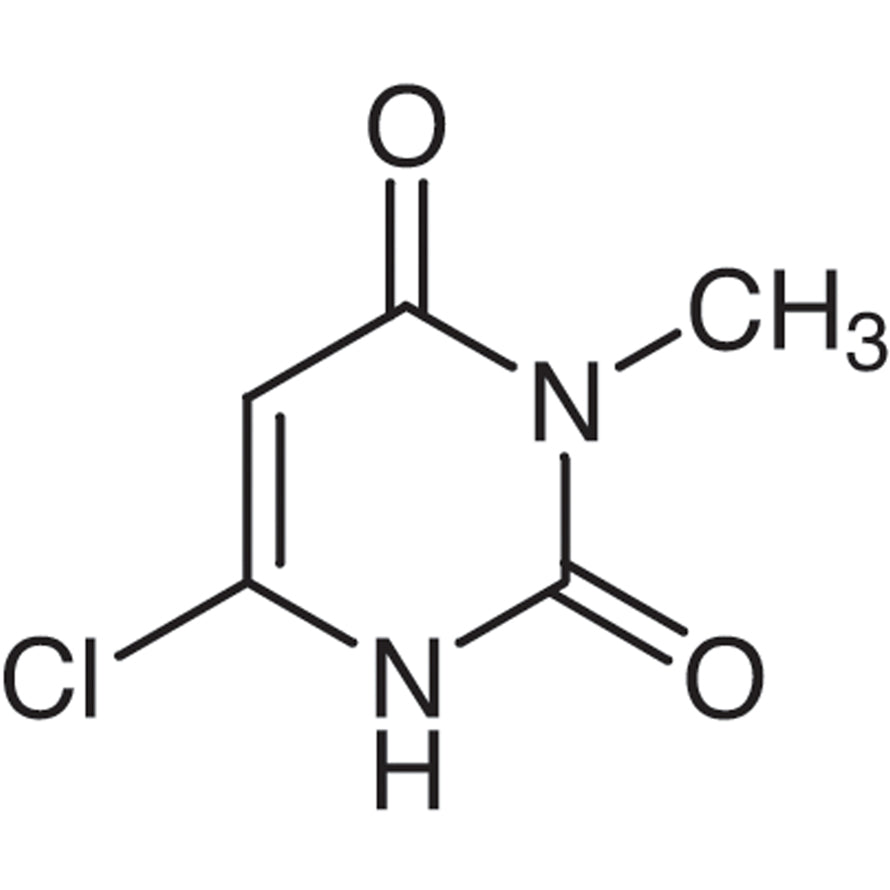
6-Chloro-3-methyluracil is a chemical compound widely used in biochemical and biotechnological applications. As a nucleoside-related compound, it plays a crucial role in laboratory research focused on DNA and RNA studies. Its structural similarity to nucleotides allows scientists to modify its chemical structure for various experimental purposes. This compound is commonly used as a building block in the synthesis of organic compounds and in the development of pharmaceuticals. Its versatility makes it an essential tool for researchers in life sciences.
The chemical properties of 6-Chloro-3-methyluracil make it a preferred choice in laboratory settings. It exhibits stability under controlled conditions and can interact with different reagents, enabling a wide range of chemical reactions. The presence of both chloro and methyl groups influences its polarity and solubility, which are critical for applications requiring precise control over reactivity and stability. These characteristics make it suitable for use in complex synthetic processes and molecular modifications.
In Indonesian laboratories, 6-Chloro-3-methyluracil is frequently utilized in research related to the synthesis of organic compounds and drug development. Its role in biochemical studies, particularly in the context of nucleotide-based research, highlights its importance in both academic and industrial settings. Researchers rely on this compound for its reliability and adaptability in various experimental protocols.
- DNA and RNA modification studies benefit from 6-Chloro-3-methyluracil due to its structural similarity to nucleotides, enabling precise molecular alterations.
- Organic synthesis projects often use this compound as a key building block, allowing for the creation of complex chemical structures with controlled reactivity.
- Pharmaceutical research utilizes 6-Chloro-3-methyluracil in the development of new drugs, leveraging its chemical properties for targeted molecular interactions.
- Biochemical assays incorporate this compound to study molecular interactions and reactivity under controlled experimental conditions.
- Biomedical research employs 6-Chloro-3-methyluracil to investigate its potential in therapeutic applications and molecular targeting strategies.
| Brand | TCI |
|---|---|
| CAS number | 4318-56-3 |
| Molecular formula | — |
| Purity | — |
| Category | Life Science > Biochemicals and Reagents > Nucleosides, Nucleotides, Oligonucleotides |
| Pack sizes | Available in standard laboratory quantities as per supplier specifications |
| Physical form | Solid powder |
| Storage | Store in a cool, dry place away from light and moisture |
6-Chloro-3-methyluracil should be stored in a cool, dry environment to maintain its chemical stability. It is recommended to keep the compound in a sealed container to prevent exposure to moisture and air. Laboratory personnel should handle the material with care, using appropriate personal protective equipment such as gloves and safety goggles. The compound should be stored away from incompatible substances to avoid any potential chemical reactions. Proper labeling of storage containers is essential to ensure safe handling and prevent accidental exposure. Regular monitoring of storage conditions is advised to maintain the integrity of the compound throughout its shelf life.
—
Produk Terkait
-
Bis(1,3-dibutylbarbituricAcid)TrimethineOxonol TCI B5593
Regular price From Rp 2.174.550,00Regular price -
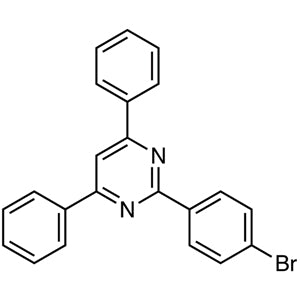
2-(4-Bromophenyl)-4,6-diphenylpyrimidine TCI B5797
Regular price From Rp 1.565.550,00Regular price -
4-([1,1'-Biphenyl]-4-yl)-6-chloro-2-phenylpyrimidine TCI B5802
Regular price From Rp 3.312.750,00Regular price -
2-(4-Bromophenyl)pyrimidine TCI B5806
Regular price From Rp 1.008.000,00Regular price -
2-(3-Bromophenyl)-4,6-diphenylpyrimidine TCI B5814
Regular price From Rp 2.439.150,00Regular price -
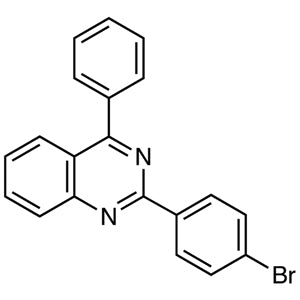
2-(4-Bromophenyl)-4-phenylquinazoline TCI B5829
Regular price From Rp 1.458.450,00Regular price -
SB239063 TCI B5898
Regular price From Rp 5.034.750,00Regular price -
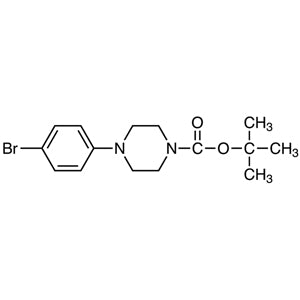
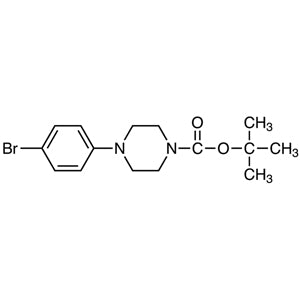
tert-Butyl4-(4-Bromophenyl)piperazine-1-carboxylate TCI B5941
Regular price From Rp 903.000,00Regular price

![4-([1,1'-Biphenyl]-4-yl)-6-chloro-2-phenylpyrimidine (CAS 1689538-58-6) - TCI B5802 - AMI Scientific](http://amiscientific.com/cdn/shop/files/TCI2510B5802.jpg?v=1768815900&width=533)