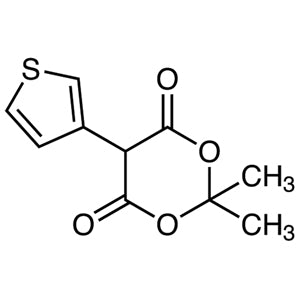
2,2-Dimethyl-5-(3-thienyl)-1,3-dioxane-4,6-dione is a Meldrum's acid derivative carrying a thienyl group at its active carbon position. The compound is a heterocyclic building block that combines two useful motifs in a single molecule: a highly reactive cyclic dioxanedione ring that serves as a source of acyl groups and carbanions, and a thiophene ring that acts as an electron-rich unit in organic materials chemistry. Its principal role in the laboratory is to provide a short route for introducing a thiophene unit into synthetic products, without researchers first having to build and activate a substituted Meldrum's acid framework themselves.
The characteristic that leads researchers to select this compound is the distinctive reactivity of the Meldrum's acid framework. The dioxanedione ring opens readily on heating, releasing acetone and carbon dioxide and thereby generating a highly reactive intermediate species that can be captured by nucleophiles such as amines, alcohols, or aromatic rings. In addition, the hydrogen atom at the carbon position between the two carbonyl groups is sufficiently acidic that it can be deprotonated and alkylated in a controlled manner. The presence of the thienyl group adds a distinctive electronic dimension to this reactivity profile.
In Indonesian laboratories, this building block is typically used in university and institutional research groups working on organic synthesis, heterocyclic chemistry, and organic materials. It is normally ordered in research-scale quantities for multi-step synthetic routes where a thiophene-bearing acyl or carbanion unit is required at a specific stage. Because it is supplied as a defined, ready-to-use reagent, it suits laboratories that prefer to purchase specialised intermediates rather than prepare them in house.
- Heterocyclic synthesis — the compound delivers a preformed thiophene-substituted Meldrum's acid core, shortening routes toward thiophene-containing heterocyclic targets that would otherwise require separate construction and activation steps.
- Acylation chemistry — thermal ring opening releases acetone and carbon dioxide to generate a reactive acylating intermediate, which amines, alcohols, and aromatic rings can capture directly in one operation.
- Controlled alkylation studies — the acidic hydrogen between the two carbonyl groups can be deprotonated and then alkylated in a controlled way, allowing researchers to install additional substituents at the active carbon.
- Organic materials research — the electron-rich thiophene ring makes this building block useful for preparing intermediates aimed at organic electronic and conjugated materials work, where thiophene units are a standard motif.
- Methodology and reaction development — the well-defined dual reactivity of the dioxanedione and thiophene motifs makes the compound a convenient substrate for developing, optimising, and comparing new synthetic transformations.
| Brand | TCI |
|---|---|
| CAS number | 61857-83-8 |
| Molecular formula | — |
| Purity | — |
| Category | Chemistry > Building Blocks > Heterocyclic Building Blocks |
| Pack sizes | research-scale packs; available sizes confirmed on request |
| Physical form | — |
| Storage | store as indicated on the manufacturer's label and product documentation |
- Catalogue number: D3759
Store the container tightly closed in a cool, dry, well-ventilated area, away from heat sources, ignition sources, and direct sunlight, since the dioxanedione ring opens on heating. Keep the material in its original manufacturer container, or in a clean, chemically compatible and clearly labelled vessel, and reseal it promptly after each use to limit exposure to moisture and air. Handle in a fume hood using safety glasses, gloves, and a laboratory coat, avoiding the generation of dust and any contact with skin or eyes. Consult the manufacturer's safety data sheet before use, and dispose of residues and contaminated materials through your institution's chemical waste procedures.
—
Produk Terkait
-
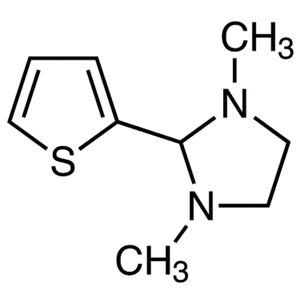
1,3-Dimethyl-2-(2-thienyl)imidazolidine TCI D2289
Regular price Rp 2.359.350,00Regular price -
2,4-Dimethyl-1,3-dioxane TCI D0708
Regular price From Rp 3.155.250,00Regular price -
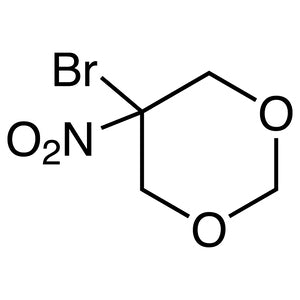
5-Bromo-5-nitro-1,3-dioxane TCI B3156
Regular price Rp 2.359.350,00Regular price -
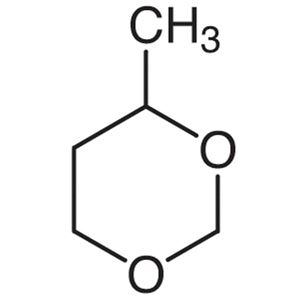
4-Methyl-1,3-dioxane TCI M0209
Regular price Rp 1.908.900,00Regular price -
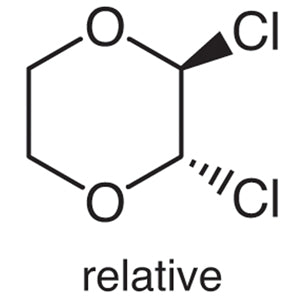
trans-2,3-Dichloro-1,4-dioxane TCI D2279
Regular price Rp 2.730.000,00Regular price -
2-(2-Thienyl)ethylp-Toluenesulfonate TCI T3064
Regular price From Rp 477.750,00Regular price -
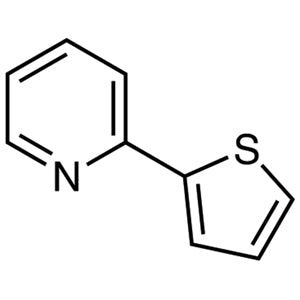
2-(2-Thienyl)pyridine TCI T2936
Regular price From Rp 2.227.050,00Regular price -
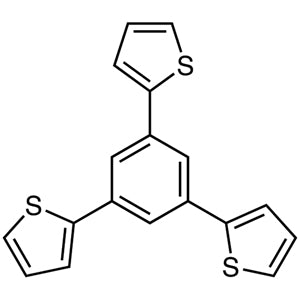
1,3,5-Tri(2-thienyl)benzene TCI T2866
Regular price From Rp 2.650.200,00Regular price