Erastin is a small-molecule compound widely recognised as an inducer of ferroptosis, a form of programmed cell death that depends on iron and is characterised by the accumulation of lipid peroxides. The compound has become a classic reference tool in cell biology because it inhibits the cystine–glutamate transport system at the cell membrane. As cystine supply falls, glutathione synthesis is disrupted and the antioxidant defences of the cell collapse. In the laboratory, erastin is used as a pharmacological tool to trigger ferroptosis in a controlled manner in cell culture and to study the molecular pathways that accompany it.
The added value of erastin lies in its specific mechanism of action, which is already well documented in the scientific literature, so that experimental results can be compared easily between laboratories. The compound is active at low concentrations and is soluble in organic solvents such as dimethyl sulfoxide, which makes the preparation of stock solutions straightforward. Its effects can also be reversed by ferroptosis inhibitors. That last property is particularly useful, because it allows researchers to perform rescue experiments to confirm that the cell death observed genuinely proceeds through the ferroptosis pathway rather than through apoptosis or ordinary necrosis.
In Indonesian laboratories, erastin is typically used in cell biology and life science research groups working on cell death mechanisms, in university research units, and in institutional laboratories that maintain cell culture facilities. It is generally handled as a stock solution in dimethyl sulfoxide, prepared in small volumes and applied to cultured cells at low working concentrations. Because it is supplied in a 5 mg pack, it suits research groups that run a defined series of controlled ferroptosis experiments.
- Controlled induction of ferroptosis in cell culture, because erastin acts through a specific and well-documented mechanism that allows cell death to be triggered reproducibly in experimental systems.
- Study of the cystine–glutamate transport system, since erastin inhibits this membrane transporter directly and therefore lets researchers observe the downstream consequences on cystine supply.
- Investigation of glutathione metabolism and antioxidant defence, as the reduced cystine supply caused by erastin disrupts glutathione synthesis and exposes how cells depend on that pathway.
- Rescue experiments using ferroptosis inhibitors, because the effects of erastin are reversible and can therefore be used to confirm that observed cell death truly follows the ferroptosis route.
- Discrimination between cell death pathways in mechanistic research, since erastin provides a defined ferroptosis stimulus that can be compared against apoptosis or ordinary necrosis in the same experimental design.
| Brand | TCI |
|---|---|
| CAS number | 571203-78-6 |
| Molecular formula | — |
| Purity | — |
| Category | Life Science > Cell Biology > Ferroptosis |
| Pack sizes | 5 mg |
| Physical form | — |
| Storage | — |
- Catalogue number: E1524
- Solubility note: soluble in organic solvents such as dimethyl sulfoxide, suitable for stock solution preparation
Store the compound according to the storage conditions stated on the manufacturer's label and product documentation, keeping the container tightly closed and protected from moisture. Stock solutions prepared in dimethyl sulfoxide should be kept in clean, well-sealed vials that are clearly labelled with the compound name, concentration, solvent and preparation date, and divided into small aliquots to limit repeated handling of the whole batch. Handle the material in a laboratory with adequate ventilation, using standard personal protective equipment such as a laboratory coat, gloves and eye protection. Because erastin is a biologically active compound intended for research use, preparation and weighing should be carried out by trained personnel following the internal laboratory procedures and the safety data sheet supplied with the product.
—
Produk Terkait
-
Bis(1,3-dibutylbarbituricAcid)TrimethineOxonol TCI B5593
Regular price From Rp 2.421.300,00Regular price -
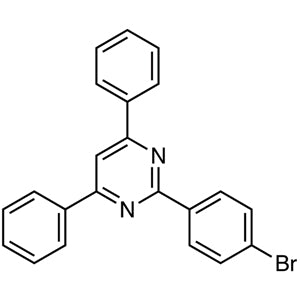
2-(4-Bromophenyl)-4,6-diphenylpyrimidine TCI B5797
Regular price From Rp 1.741.950,00Regular price -
4-([1,1'-Biphenyl]-4-yl)-6-chloro-2-phenylpyrimidine TCI B5802
Regular price From Rp 3.689.700,00Regular price -
2-(4-Bromophenyl)pyrimidine TCI B5806
Regular price From Rp 1.122.450,00Regular price -
2-(3-Bromophenyl)-4,6-diphenylpyrimidine TCI B5814
Regular price From Rp 2.716.350,00Regular price -
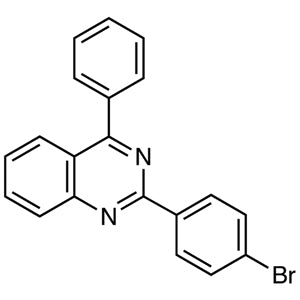
2-(4-Bromophenyl)-4-phenylquinazoline TCI B5829
Regular price From Rp 1.623.300,00Regular price -
SB239063 TCI B5898
Regular price From Rp 5.608.050,00Regular price -
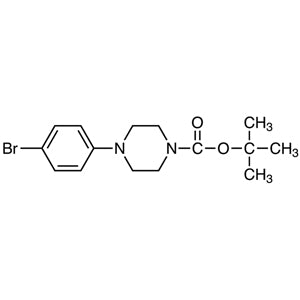
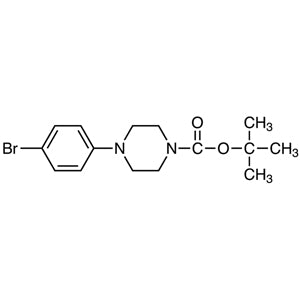
tert-Butyl4-(4-Bromophenyl)piperazine-1-carboxylate TCI B5941
Regular price From Rp 1.004.850,00Regular price

![4-([1,1'-Biphenyl]-4-yl)-6-chloro-2-phenylpyrimidine (CAS 1689538-58-6) - TCI B5802 - AMI Scientific](http://amiscientific.com/cdn/shop/files/TCI2510B5802.jpg?v=1768815900&width=533)