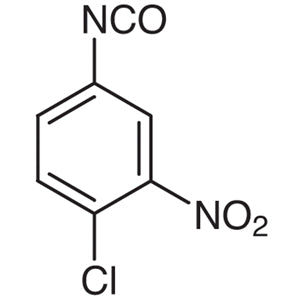
4-Chloro-3-nitrophenyl Isocyanate is a chemical compound widely used in organic synthesis reactions within laboratory settings. It serves as a key building block in the development of various organic and heterocyclic compounds. Due to its structural complexity and reactivity, it plays a vital role in the synthesis of pharmaceuticals and specialty chemicals. This compound is particularly valuable for its ability to participate in multiple reaction types, making it an essential tool for chemists engaged in research and development.
The compound’s high reactivity, especially towards nucleophilic and electrophilic reactions, makes it a preferred choice in synthetic chemistry. Its molecular structure, containing an isocyanate group, allows for the formation of complex chemical reactions and the potential synthesis of bioactive compounds. This reactivity, combined with its versatility in different reaction conditions, positions it as a valuable reagent for advanced chemical studies. The compound's ability to undergo substitution, coupling, and chain-joining reactions further enhances its utility in laboratory applications.
In Indonesian laboratories, 4-Chloro-3-nitrophenyl Isocyanate is commonly used in organic chemistry research, particularly in the development of new compounds and pharmaceuticals. Its stability under controlled conditions and its reactivity make it a reliable choice for researchers working on synthetic pathways. The compound is frequently utilized in academic and industrial settings where precision and accuracy in chemical synthesis are critical. Its application is widespread in both academic institutions and research centers in Indonesia.
- Organic synthesis reactions where reactivity and versatility are required for complex molecule formation.
- Pharmaceutical research for the development of new drugs and bioactive compounds.
- Coupling reactions that demand high reactivity and precise chemical interactions.
- Chain-joining processes in the creation of heterocyclic and organic structures.
- Advanced chemical studies involving nucleophilic and electrophilic reaction mechanisms.
| Brand | TCI |
|---|---|
| CAS number | 40397-96-4 |
| Molecular formula | — |
| Purity | — |
| Category | Chemistry > Building Blocks > Non-Heterocyclic Building Blocks |
| Pack sizes | Available in various quantities as per standard laboratory requirements |
| Physical form | Liquid |
| Storage | Store in a cool, dry place away from moisture and direct sunlight |
This compound should be stored in a cool, dry environment, away from moisture and direct sunlight to maintain its stability and reactivity. It is recommended to use airtight containers made of materials resistant to chemical reactions, such as glass or high-density polyethylene. Due to its reactivity, it should be handled with care in a well-ventilated area, using appropriate personal protective equipment. Avoid exposure to incompatible substances and ensure that storage areas are secure to prevent accidental spills or contamination. Proper labeling and adherence to safety protocols are essential for safe handling and long-term storage.
—
Produk Terkait
-
4-NitrophenylIsocyanate(containsvaryingamountsofpolymers) TCI I0129
Regular price From Rp 1.458.450,00Regular price -
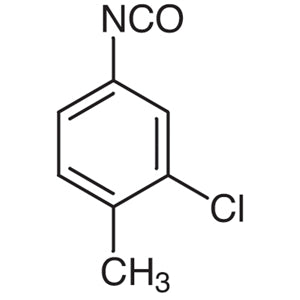
3-Chloro-4-methylphenylIsocyanate TCI I0563
Regular price From Rp 1.458.450,00Regular price -
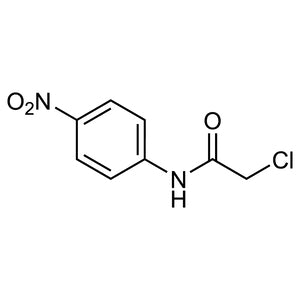
2-Chloro-N-(4-nitrophenyl)acetamide TCI C3966
Regular price Rp 2.174.550,00Regular price -
4-ButylphenylIsocyanate TCI B3205
Regular price From Rp 1.087.800,00Regular price -
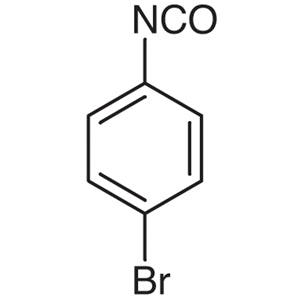
4-BromophenylIsocyanate TCI B0636
Regular price From Rp 2.279.550,00Regular price -
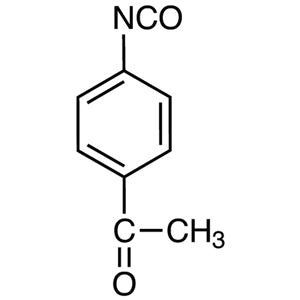
4-AcetylphenylIsocyanate TCI A2933
Regular price From Rp 2.094.750,00Regular price -
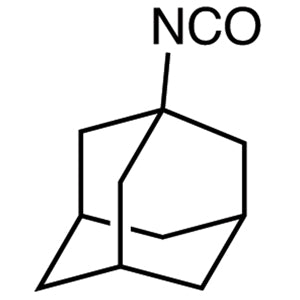
1-AdamantylIsocyanate TCI A1706
Regular price From Rp 1.298.850,00Regular price -
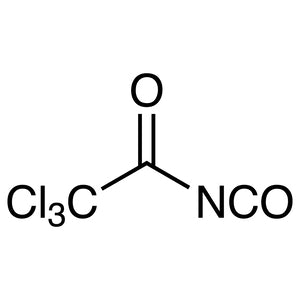
TrichloroacetylIsocyanate TCI T1047
Regular price From Rp 769.650,00Regular price