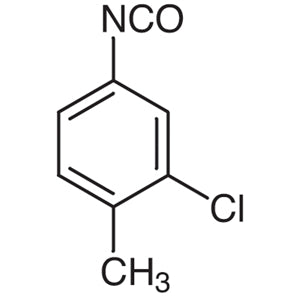
3-Chloro-4-methylphenyl Isocyanate is an aryl isocyanate that carries two substituents at once on its benzene ring: a chlorine atom and a methyl group. In the laboratory, this material is used as a non-heterocyclic building block for constructing ureas and carbamates with a specific substitution pattern, something that is difficult to achieve when only mono-substituted isocyanates are available. Its reaction with primary and secondary amines proceeds quickly and cleanly, producing aryl ureas that are ready for biological activity screening or for carrying forward into the next synthetic step without requiring coupling reagents or additional catalysts.
The added value of this compound lies in the combination of the properties of its two substituents. The chlorine atom is inductively electron-withdrawing and therefore increases the electrophilicity of the isocyanate group, while the methyl group is a weak donor that slightly balances that effect and adds lipophilic character to the resulting molecule. This combination yields a reagent with good but not excessive reactivity, and at the same time contributes physicochemical properties that are frequently sought in the design of bioactive compounds. The chlorotoluyl substitution pattern also provides a characteristic spectroscopic signature, which helps in confirming the structure of the products formed.
In Indonesian laboratories, this reagent is typically found in organic synthesis and medicinal chemistry research groups at universities and research institutes, as well as in the development units of agrochemical and pharmaceutical companies. It is generally used on a small to medium scale for preparing compound libraries, verifying synthetic routes, and producing reference standards. Because it belongs to the moisture-sensitive isocyanate class, its use is usually scheduled together with other anhydrous work so that the container is opened as infrequently as possible.
Related TCI products
- Synthesis of substituted aryl ureas: reaction with primary or secondary amines proceeds rapidly and cleanly, giving ureas that carry the chloro and methyl pattern without any coupling reagent.
- Preparation of carbamates from alcohols and phenols: the electrophilic isocyanate group adds directly across the hydroxyl function, producing carbamate linkages under mild and straightforward conditions.
- Compound library construction in medicinal chemistry: the dual substitution supplies a defined lipophilic, electron-modulated fragment that broadens structure–activity exploration beyond mono-substituted isocyanate analogues.
- Derivatisation of amine-containing analytes for characterisation: the chlorotoluyl group gives a distinctive spectroscopic signature that assists in confirming the structure of the derivatives formed.
- Intermediate preparation for agrochemical and pharmaceutical research routes: balanced reactivity allows controlled coupling steps that can be carried forward directly into subsequent synthetic stages.
| Brand | TCI |
|---|---|
| CAS number | 28479-22-3 |
| Molecular formula | — |
| Purity | — |
| Category | Chemistry > Building Blocks > Non-Heterocyclic Building Blocks |
| Pack sizes | available in standard TCI research-scale packaging; please refer to the pack size options listed on this page |
| Physical form | — |
| Storage | keep tightly closed in a cool, dry place, protected from moisture |
- Product code: I0563
Store the container tightly closed in a cool, dry, well-ventilated area, away from moisture, water, alcohols, amines and other protic substances that react with isocyanates. Keep the material in its original tightly sealed container, or under an inert atmosphere in a septum-capped vessel, and allow it to warm to room temperature before opening to avoid condensation of atmospheric moisture. Handle only in a functioning fume hood while wearing safety goggles, chemically resistant gloves and a laboratory coat, since isocyanates are irritating to the eyes, skin and respiratory tract. Transfer with dry glassware and dry syringes, close the container immediately after use, and dispose of residues and contaminated materials according to your laboratory's chemical waste procedures.
—
Produk Terkait
-
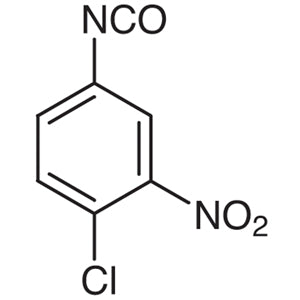
4-Chloro-3-nitrophenylIsocyanate TCI I0564
Regular price Rp 3.419.850,00Regular price -
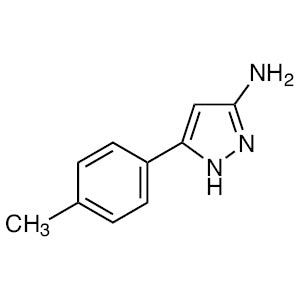
5-Amino-3-(4-methylphenyl)pyrazole TCI A2954
Regular price From Rp 2.625.000,00Regular price -
4-ButylphenylIsocyanate TCI B3205
Regular price From Rp 1.087.800,00Regular price -
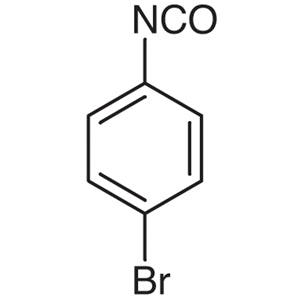
4-BromophenylIsocyanate TCI B0636
Regular price From Rp 2.279.550,00Regular price -
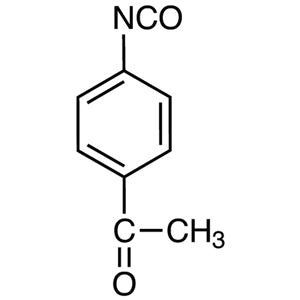
4-AcetylphenylIsocyanate TCI A2933
Regular price From Rp 2.094.750,00Regular price -
1-AdamantylIsocyanate TCI A1706
Regular price From Rp 1.298.850,00Regular price -
TrichloroacetylIsocyanate TCI T1047
Regular price From Rp 769.650,00Regular price -
p-ToluenesulfonylIsocyanate TCI T0998
Regular price Rp 530.250,00Regular price