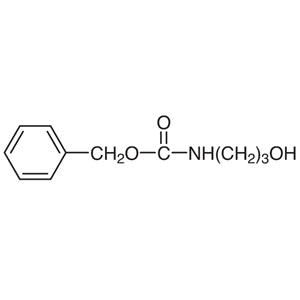
3-(Benzyloxycarbonylamino)-1-propanol is a chemical compound widely used in organic synthesis reactions within laboratory settings. It serves as a key building block in the development of complex molecules, including peptides, pharmaceuticals, and industrial chemicals. Its role as a substrate or reagent in deprotection or molecular coupling reactions makes it essential for synthetic chemists. This compound is particularly valuable due to its controlled reactivity and stability, allowing for precise manipulation in various chemical processes.
The compound's molecular structure, featuring an alcohol chain and a benzyloxycarbonyl group, enables it to participate in specific chemical reactions such as hydrolysis, reduction, and substitution. These properties make it a reliable choice for researchers requiring consistent and predictable chemical behavior. Its high purity and consistent packaging ensure that it meets the rigorous demands of scientific research, especially in applications where accuracy and reproducibility are critical.
In Indonesian laboratories, 3-(Benzyloxycarbonylamino)-1-propanol is commonly used in chemical research, particularly in organic synthesis and the development of new chemical materials. It is a preferred reagent in academic and industrial settings due to its versatility and reliability. Many research institutions and universities in Indonesia rely on this compound for experiments that require high-quality starting materials. Its application is widespread in both basic and applied research projects.
- Organic synthesis is a primary application where this compound serves as a building block for creating complex molecules, including pharmaceuticals and peptides.
- Peptide synthesis benefits from its reactivity, allowing for the controlled coupling of amino acid residues in the formation of peptides.
- Industrial chemical development utilizes this compound in the synthesis of various chemical intermediates and specialty compounds.
- Molecular coupling reactions rely on its stability and controlled reactivity to facilitate the formation of new molecular structures.
- De protection processes use this compound to selectively remove protective groups from molecules during synthetic sequences.
| Brand | TCI |
|---|---|
| CAS number | 34637-22-4 |
| Molecular formula | — |
| Purity | — |
| Category | Chemistry > Building Blocks > Non-Heterocyclic Building Blocks |
| Pack sizes | Available in standard laboratory quantities as per supplier specifications |
| Physical form | Solid or liquid, depending on the specific product formulation |
| Storage | Store in a cool, dry place away from direct sunlight and moisture |
This compound should be stored in a cool, dry environment to maintain its chemical integrity and prevent degradation. It is recommended to use airtight containers to protect it from moisture and contaminants. Proper labeling of storage containers is essential for safe handling and identification. Due to its chemical nature, it should be handled with appropriate personal protective equipment, such as gloves and safety goggles. Avoid exposure to heat or direct sunlight to ensure long-term stability. Regular inspection of storage conditions is advised to maintain optimal laboratory safety and product quality.
—
Produk Terkait
-
2-(Benzyloxycarbonylamino)-1-ethanol TCI H0793
Regular price From Rp 1.565.550,00Regular price -
6-(N-Benzyloxycarbonylamino)-1-hexanol TCI B6075
Regular price From Rp 875.700,00Regular price -
2-[(9H-Fluoren-9-ylmethoxy)carbonylamino]-1-ethanol TCI F0912
Regular price From Rp 1.776.600,00Regular price -
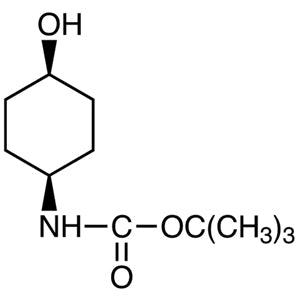
cis-4-(tert-Butoxycarbonylamino)cyclohexanol TCI B5367
Regular price Rp 2.147.250,00Regular price -
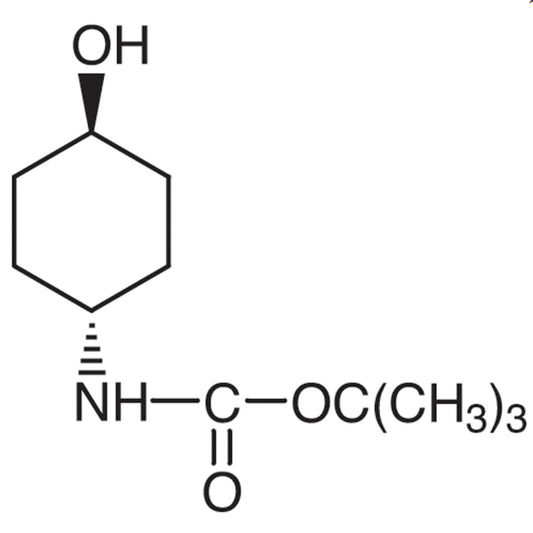
4-(tert-Butoxycarbonylamino)cyclohexanol TCI B4714
Regular price From Rp 557.550,00Regular price -
trans-4-(tert-Butoxycarbonylamino)cyclohexanol TCI B3564
Regular price From Rp 1.829.100,00Regular price -
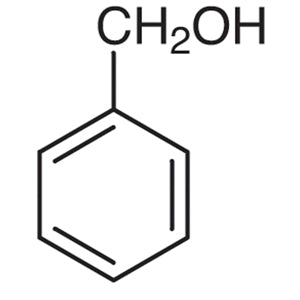
BenzylAlcohol TCI B2378
Regular price Rp 452.550,00Regular price -
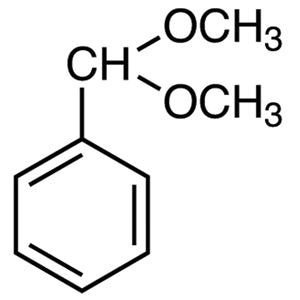
BenzaldehydeDimethylAcetal TCI B1197
Regular price From Rp 477.750,00Regular price

![2-[(9H-Fluoren-9-ylmethoxy)carbonylamino]-1-ethanol (CAS 105496-31-9) - TCI F0912 - AMI Scientific](http://amiscientific.com/cdn/shop/files/TCI2510F0912.jpg?v=1768360279&width=533)
![2-[(9H-Fluoren-9-ylmethoxy)carbonylamino]-1-ethanol (CAS 105496-31-9) - TCI F0912 - AMI Scientific](http://amiscientific.com/cdn/shop/files/TCI2510F0912_7015b120-6ef9-4b31-b560-2db5133d3537.jpg?v=1769056131&width=533)