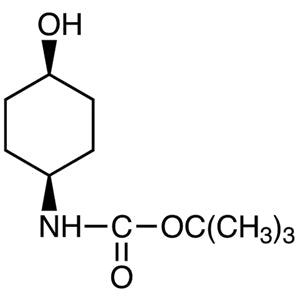
Trans-4-(tert-Butoxycarbonylamino)cyclohexanol is a chemical compound widely used as a building block in the synthesis of complex molecules. This compound plays a crucial role in laboratory settings by enabling the formation of nitrogen-carbon bonds, particularly in the synthesis of heterocyclic and cyclic structures. Its versatility makes it an essential tool for researchers working on organic chemistry and pharmaceutical development. Due to its structural complexity, it allows for the creation of a wide range of new compounds with varying functional groups.
The compound's chemical stability and reactivity make it a preferred choice for various synthetic reactions, including reduction, oxidation, and substitution. Its ability to participate in multiple reaction pathways provides flexibility in designing targeted chemical syntheses. The presence of the tert-butoxycarbonyl group further enhances its utility by offering controlled reactivity and functional group compatibility. This characteristic is especially valuable in applications requiring precise chemical transformations.
In Indonesian laboratories, this compound is commonly used in scientific research, particularly in organic chemistry and pharmacology. It is relied upon by research institutions and universities to develop new compounds with potential medical applications. Its role in advancing chemical synthesis and drug discovery makes it a vital component in the laboratory toolkit of Indonesian scientists.
Related TCI products
- TCI B5367 167081-25-6 cis-4-(tert-Butoxycarbonylamino)cyclohexanol
- TCI B4714 224309-64-2 4-(tert-Butoxycarbonylamino)cyclohexanol
- TCI P2690 82575-70-0 trans-4-(trans-4-Pentylcyclohexyl)cyclohexanol
- TCI P1174 2362-61-0 trans-2-Phenyl-1-cyclohexanol
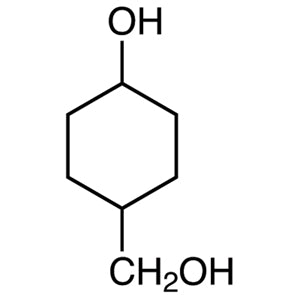
- TCI H1258 3685-27-6 trans-4-(Hydroxymethyl)cyclohexanol
- TCI H1257 33893-85-5 4-(Hydroxymethyl)cyclohexanol (cis- and trans- mixture)
- Organic synthesis applications benefit from this compound's ability to form nitrogen-carbon bonds, supporting the development of complex molecular structures.
- Pharmaceutical research utilizes this material for the synthesis of compounds with potential therapeutic applications, enhancing drug discovery efforts.
- Heterocyclic compound synthesis relies on its structural versatility, enabling the creation of diverse cyclic structures with functional group modifications.
- Functional group modification processes take advantage of its reactivity, allowing for the introduction of various substituents in targeted chemical transformations.
- Structural variation in compound development is facilitated by its complex molecular framework, offering flexibility in designing new chemical entities.
| Brand | TCI |
|---|---|
| CAS number | 111300-06-2 |
| Molecular formula | — |
| Purity | — |
| Category | Chemistry > Building Blocks > Non-Heterocyclic Building Blocks |
| Pack sizes | As available |
| Physical form | Liquid |
| Storage | Store in a cool, dry place away from light |
This compound should be stored in a cool, dry environment, away from direct light to maintain its chemical stability. It is recommended to use airtight containers made of glass or high-density polyethylene to prevent contamination and evaporation. Due to its reactive nature, it should be handled with appropriate personal protective equipment, including gloves and safety goggles. Proper ventilation is essential when working with this material to minimize exposure to vapors. It should not be stored near incompatible substances such as strong acids or bases. Regular monitoring of storage conditions ensures the compound remains in optimal condition for laboratory use.
—
Produk Terkait
-
cis-4-(tert-Butoxycarbonylamino)cyclohexanol TCI B5367
Regular price Rp 2.199.750,00Regular priceRp 1.554.000,00Sale price Rp 2.199.750,00 -
4-(tert-Butoxycarbonylamino)cyclohexanol TCI B4714
Regular price From Rp 610.050,00Regular priceRp 442.050,00Sale price From Rp 610.050,00 -
trans-4-(trans-4-Pentylcyclohexyl)cyclohexanol TCI P2690
Regular price From Rp 3.207.750,00Regular priceRp 2.258.550,00Sale price From Rp 3.207.750,00 -
trans-2-Phenyl-1-cyclohexanol TCI P1174
Regular price From Rp 2.411.850,00Regular priceRp 1.686.300,00Sale price From Rp 2.411.850,00 -
trans-4-(Hydroxymethyl)cyclohexanol TCI H1258
Regular price From Rp 7.182.000,00Regular priceRp 5.037.900,00Sale price From Rp 7.182.000,00 -
4-(Hydroxymethyl)cyclohexanol(cis-andtrans-mixture) TCI H1257
Regular price From Rp 6.811.350,00Regular priceRp 4.778.550,00Sale price From Rp 6.811.350,00 -
4-(2-Hydroxyethyl)cyclohexanol(cis-andtrans-mixture) TCI H1253
Regular price From Rp 3.048.150,00Regular priceRp 2.147.250,00Sale price From Rp 3.048.150,00 -
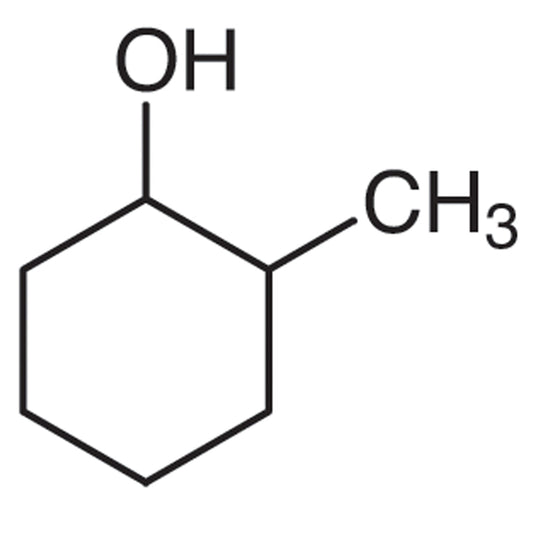
2-Methylcyclohexanol(cis-andtrans-mixture) TCI M0194
Regular price From Rp 505.050,00Regular priceRp 352.800,00Sale price From Rp 505.050,00