TCI H1257, bearing CAS number 33893-85-5, is 4-(Hydroxymethyl)cyclohexanol, supplied as a mixture of cis and trans isomers. The compound is a simple alicyclic diol classified among non-heterocyclic building blocks, consisting of a cyclohexane ring carrying a secondary hydroxyl group at one position and a hydroxymethyl group at the para position. In organic synthesis laboratories, diols of this type serve as versatile starting materials for constructing polymer chains, preparing linkers that join two molecular fragments, or producing intermediates that require a saturated ring framework.
The principal value of this compound lies in its two hydroxyl groups, which occupy distinctly different steric environments. The primary alcohol of the hydroxymethyl group is less hindered and therefore reacts more rapidly in esterification, etherification, and tosylation, allowing selective differentiation between the two groups without complicated protection strategies. The secondary alcohol on the ring can be oxidised to a cyclic ketone, opening access to carbon–carbon bond forming reactions. The saturated cyclohexane framework provides conformational rigidity that is useful in molecular design while avoiding the aromatic reactivity that is sometimes undesirable.
In Indonesian laboratories, this building block is typically encountered in university and institutional research settings where organic synthesis, polymer chemistry, and materials preparation are carried out. It suits work programmes that require a dependable bifunctional intermediate on a bench scale, including methodology development, teaching laboratories handling selective transformations, and small-scale preparation of intermediates for further study. Supply as a cis and trans mixture is appropriate for applications where the stereochemical outcome at the ring hydroxyl is not the governing factor.
TCI brochures (PDF)
- Biomaterials Research Reagents 2025-02-19 · p. 20
Related TCI products
- TCI H1253 74058-21-2 4-(2-Hydroxyethyl)cyclohexanol (cis- and trans- mixture)
- TCI C2534 59719-74-3 1,3-Cyclopentanediol (cis- and trans- mixture)
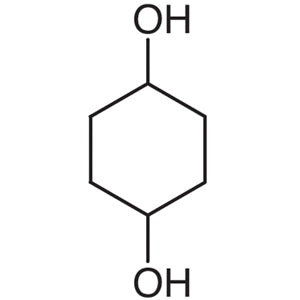
- TCI C0482 556-48-9 1,4-Cyclohexanediol (cis- and trans- mixture)
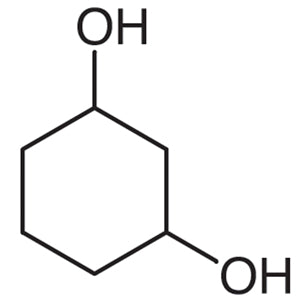
- TCI C0481 504-01-8 1,3-Cyclohexanediol (cis- and trans- mixture)
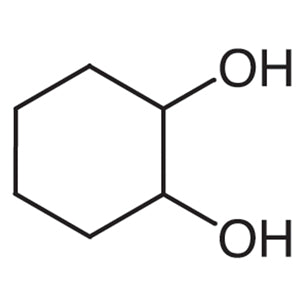
- TCI C0480 931-17-9 1,2-Cyclohexanediol (cis- and trans- mixture)
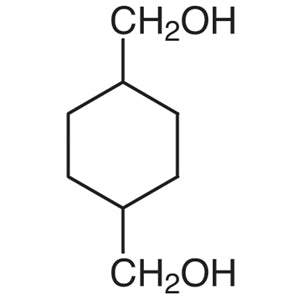
- TCI C0479 105-08-8 1,4-Cyclohexanedimethanol (cis- and trans- mixture)
- Polymer and polyester synthesis: the two hydroxyl groups allow the diol to act as a chain-extending monomer, building saturated cycloaliphatic segments into the polymer backbone.
- Linker construction: the para relationship between the two hydroxyl groups provides a defined spacer for joining two molecular fragments across a rigid saturated ring.
- Selective mono-functionalisation studies: the less hindered primary alcohol reacts preferentially in esterification, etherification, and tosylation, enabling differentiation without elaborate protecting group sequences.
- Ketone intermediate preparation: oxidation of the secondary ring alcohol delivers a cyclic ketone that serves as a platform for carbon–carbon bond forming reactions.
- Saturated scaffold intermediates: the cyclohexane framework supplies conformational rigidity for molecular design while avoiding aromatic reactivity that may be unwanted in a target structure.
| Brand | TCI |
|---|---|
| CAS number | 33893-85-5 |
| Molecular formula | — |
| Purity | — |
| Category | Chemistry > Building Blocks > Non-Heterocyclic Building Blocks |
| Pack sizes | available in the catalogue pack sizes offered by TCI for this item |
| Physical form | — |
| Storage | keep in a tightly closed original container in a cool, dry place away from light |
- Chemical name: 4-(Hydroxymethyl)cyclohexanol, cis- and trans- isomer mixture
Store the container tightly closed in a cool, dry, well-ventilated area, protected from direct sunlight and away from strong oxidising agents. The original supplier container is the preferred vessel; if transfer is required, use clean, dry glass or another chemically compatible container with a secure closure and a clear label. Handle in a fume hood using safety glasses, gloves, and a laboratory coat. Keep the container closed when not in use to limit moisture pickup by the hydroxyl groups, avoid generating dust or aerosols during weighing, and consult the manufacturer's safety data sheet before use and for disposal guidance.
—
Product Categories
Produk Terkait
-
4-(2-Hydroxyethyl)cyclohexanol(cis-andtrans-mixture) TCI H1253
Regular price From Rp 2.995.650,00Regular price -
1,3-Cyclopentanediol(cis-andtrans-mixture) TCI C2534
Regular price Rp 3.870.300,00Regular price -
1,4-Cyclohexanediol(cis-andtrans-mixture) TCI C0482
Regular price From Rp 530.250,00Regular price -
1,3-Cyclohexanediol(cis-andtrans-mixture) TCI C0481
Regular price From Rp 2.625.000,00Regular price -
1,2-Cyclohexanediol(cis-andtrans-mixture) TCI C0480
Regular price From Rp 2.199.750,00Regular price -
1,4-Cyclohexanedimethanol(cis-andtrans-mixture) TCI C0479
Regular price From Rp 477.750,00Regular price -
4,4'-Bicyclohexanol(mixtureofisomers) TCI B1621
Regular price From Rp 1.565.550,00Regular price -
2,2'-Bis(hydroxymethyl)diphenylEther TCI B1643
Regular price From Rp 3.763.200,00Regular price