2,2'-Bis(hydroxymethyl)diphenyl Ether is a chemical compound widely used as a foundational building block in organic synthesis. This compound plays a crucial role in laboratory settings by serving as a versatile intermediate for the creation of various organic molecules. Its molecular structure consists of two phenyl groups connected by an ether linkage, with two hydroxymethyl groups attached. This unique structure allows it to participate in a wide range of chemical reactions, making it an essential tool for chemists working on complex synthesis pathways.
The compound is valued for its chemical stability and reactivity, which make it a preferred choice in synthetic processes. Its ability to undergo various functional group transformations enables it to be used in the synthesis of heterocyclic and non-heterocyclic compounds. The hydroxymethyl groups provide sites for further modification, enhancing its utility in both academic and industrial research. Its predictable chemical behavior and compatibility with a broad range of reagents contribute to its popularity among laboratory professionals.
In Indonesian laboratories, 2,2'-Bis(hydroxymethyl)diphenyl Ether is commonly used in organic synthesis and the development of new chemical materials. It is a key component in research focused on polymer science, materials engineering, and pharmaceutical chemistry. Many research institutions and universities in Indonesia rely on this compound for its reliability and effectiveness in producing compounds with specific properties. Its widespread use underscores its importance in advancing chemical research and innovation in the region.
TCI brochures (PDF)
- Biomaterials Research Reagents 2025-02-19 · p. 19
- Monomers 2025-05-28 · p. 23
Related TCI products
- TCI H1415 38584-37-1 3-(Hydroxymethyl)-1-adamantanol
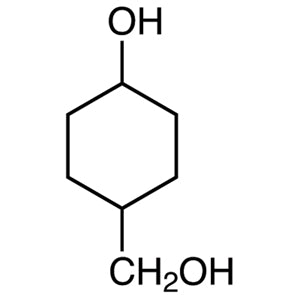
- TCI H1257 33893-85-5 4-(Hydroxymethyl)cyclohexanol (cis- and trans- mixture)
- TCI B2038 10097-02-6 2,2-Bis(hydroxymethyl)butyric Acid
- TCI B1904 34824-20-9 1,8-Bis(hydroxymethyl)anthracene
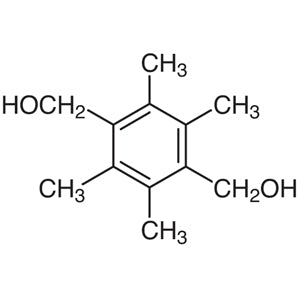
- TCI B0493 7522-62-5 3,6-Bis(hydroxymethyl)durene
- TCI H1258 3685-27-6 trans-4-(Hydroxymethyl)cyclohexanol
- Organic synthesis is a primary application where this compound serves as a versatile building block for creating complex molecules.
- Polymer science research benefits from its ability to participate in cross-linking and chain extension reactions.
- Materials development leverages its chemical structure to design new compounds with specific physical and chemical properties.
- Pharmaceutical chemistry utilizes its reactivity to synthesize drug candidates with targeted functionalities.
- Industrial chemical production relies on its stability and reactivity for large-scale synthesis of specialty chemicals.
| Brand | TCI |
|---|---|
| CAS number | 10038-40-1 |
| Molecular formula | — |
| Purity | — |
| Category | Chemistry > Building Blocks > Non-Heterocyclic Building Blocks |
| Pack sizes | As per supplier specifications |
| Physical form | Solid (as per standard product description) |
| Storage | Store in a cool, dry place away from direct sunlight |
This compound should be stored in a cool, dry environment, away from direct sunlight and sources of heat. It is recommended to use airtight containers to prevent moisture absorption and contamination. Due to its chemical nature, it should be handled with appropriate personal protective equipment, including gloves and safety goggles. Proper ventilation is essential when working with this material to minimize exposure. It is important to keep the compound away from incompatible substances such as strong oxidizers. Regular inspection of storage conditions ensures the material remains stable and safe for use in laboratory settings.
—
Product Categories
Produk Terkait
-
3-(Hydroxymethyl)-1-adamantanol TCI H1415
Regular price From Rp 1.378.650,00Regular priceRp 979.650,00Sale price From Rp 1.378.650,00 -
4-(Hydroxymethyl)cyclohexanol(cis-andtrans-mixture) TCI H1257
Regular price From Rp 6.811.350,00Regular priceRp 4.778.550,00Sale price From Rp 6.811.350,00 -
2,2-Bis(hydroxymethyl)butyricAcid TCI B2038
Regular price From Rp 900.900,00Regular priceRp 645.750,00Sale price From Rp 900.900,00 -
1,8-Bis(hydroxymethyl)anthracene TCI B1904
Regular price Rp 9.673.650,00Regular priceRp 6.764.100,00Sale price Rp 9.673.650,00 -
3,6-Bis(hydroxymethyl)durene TCI B0493
Regular price Rp 1.510.950,00Regular priceRp 1.056.300,00Sale price Rp 1.510.950,00 -
trans-4-(Hydroxymethyl)cyclohexanol TCI H1258
Regular price From Rp 7.182.000,00Regular priceRp 5.037.900,00Sale price From Rp 7.182.000,00 -
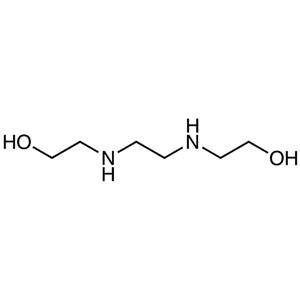
N,N'-Bis(2-hydroxyethyl)ethylenediamine TCI B3807
Regular price Rp 3.498.600,00Regular priceRp 2.446.500,00Sale price Rp 3.498.600,00 -
trans-2-Butene-1,4-diol TCI B3384
Regular price From Rp 2.809.800,00Regular priceRp 1.980.300,00Sale price From Rp 2.809.800,00