2,2-Bis(hydroxymethyl)butyric Acid is a chemical compound widely used in scientific and industrial applications, particularly in the fields of material science and polymer chemistry. This compound serves as a fundamental building block for the synthesis of various polymers, including polyesters and polyurethanes. Its unique molecular structure, featuring two hydroxymethyl groups attached to a central carbon atom, makes it highly versatile in chemical reactions. In laboratory settings, it plays a crucial role in the development of new materials and advanced chemical formulations.
The compound is valued for its stable chemical properties and controlled reactivity, which allow it to participate in a wide range of synthetic processes. Its ability to form covalent bonds with various functional groups enables the creation of complex molecules with diverse physical and chemical properties. Additionally, its good solubility in organic solvents enhances its usability in different chemical reactions. These characteristics make it an essential reagent for researchers working on polymer synthesis and material innovation.
In Indonesian laboratories, 2,2-Bis(hydroxymethyl)butyric Acid is commonly used in material science, organic chemistry, and polymer technology research. It is a key component in the development of composite materials and functional polymers. Its reliability and effectiveness in laboratory applications have made it a preferred choice for scientists and researchers in Indonesia. The compound supports a variety of experimental setups, contributing to advancements in both academic and industrial research.
TCI brochures (PDF)
- Biomaterials Research Reagents 2025-02-19 · p. 19
- Monomers 2025-05-28 · p. 23
Related TCI products
- TCI B1643 10038-40-1 2,2'-Bis(hydroxymethyl)diphenyl Ether
- TCI H1415 38584-37-1 3-(Hydroxymethyl)-1-adamantanol
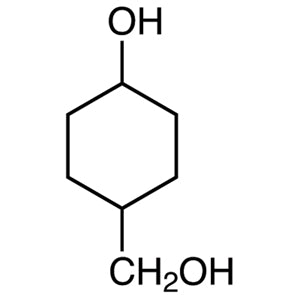
- TCI H1257 33893-85-5 4-(Hydroxymethyl)cyclohexanol (cis- and trans- mixture)
- TCI B1904 34824-20-9 1,8-Bis(hydroxymethyl)anthracene
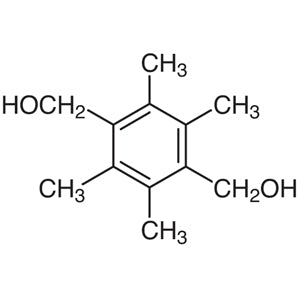
- TCI B0493 7522-62-5 3,6-Bis(hydroxymethyl)durene
- TCI H1258 3685-27-6 trans-4-(Hydroxymethyl)cyclohexanol
- Polymer synthesis is a key application where this compound serves as a monomer for creating polyesters and polyurethanes due to its reactive hydroxymethyl groups.
- Material development benefits from its ability to form complex structures, enabling the creation of advanced composite materials with tailored properties.
- Organic chemistry experiments utilize its stability and reactivity to facilitate the synthesis of various functional compounds and intermediates.
- Industrial research applications rely on its solubility and reactivity to support the development of new chemical products and formulations.
- Composite material innovation uses this compound to enhance the mechanical and chemical properties of polymer-based materials.
| Brand | TCI |
|---|---|
| CAS number | 10097-02-6 |
| Molecular formula | — |
| Purity | — |
| Category | Materials Science > Polymer/Macromolecule Reagents > Monomers |
| Pack sizes | Available in various quantities as per standard laboratory supply options |
| Physical form | Solid or liquid, depending on the specific product variant |
| Storage | Store in a cool, dry place away from direct sunlight and moisture |
This compound should be stored in a cool, dry environment to maintain its chemical stability and prevent degradation. It is recommended to use sealed containers to protect it from moisture and contaminants. Proper ventilation should be ensured when handling the material to minimize exposure to vapors. Laboratory personnel should wear appropriate personal protective equipment, such as gloves and safety goggles, when working with this compound. It should be kept away from incompatible substances to avoid any potential chemical reactions. Regular inspection of storage conditions ensures the material remains in optimal condition for use in scientific applications.
—
Produk Terkait
-
2,2'-Bis(hydroxymethyl)diphenylEther TCI B1643
Regular price From Rp 3.815.700,00Regular priceRp 2.683.800,00Sale price From Rp 3.815.700,00 -
3-(Hydroxymethyl)-1-adamantanol TCI H1415
Regular price From Rp 1.378.650,00Regular priceRp 979.650,00Sale price From Rp 1.378.650,00 -
4-(Hydroxymethyl)cyclohexanol(cis-andtrans-mixture) TCI H1257
Regular price From Rp 6.811.350,00Regular priceRp 4.778.550,00Sale price From Rp 6.811.350,00 -
1,8-Bis(hydroxymethyl)anthracene TCI B1904
Regular price Rp 9.673.650,00Regular priceRp 6.764.100,00Sale price Rp 9.673.650,00 -
3,6-Bis(hydroxymethyl)durene TCI B0493
Regular price Rp 1.510.950,00Regular priceRp 1.056.300,00Sale price Rp 1.510.950,00 -
trans-4-(Hydroxymethyl)cyclohexanol TCI H1258
Regular price From Rp 7.182.000,00Regular priceRp 5.037.900,00Sale price From Rp 7.182.000,00 -
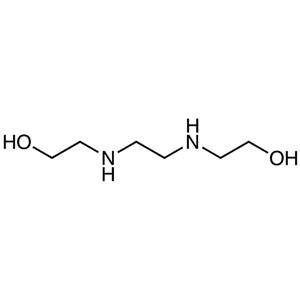
N,N'-Bis(2-hydroxyethyl)ethylenediamine TCI B3807
Regular price Rp 3.498.600,00Regular priceRp 2.446.500,00Sale price Rp 3.498.600,00 -
trans-2-Butene-1,4-diol TCI B3384
Regular price From Rp 2.809.800,00Regular priceRp 1.980.300,00Sale price From Rp 2.809.800,00