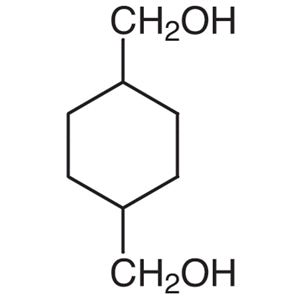
Trans-2-Butene-1,4-diol is a chemical compound widely used in laboratory settings for the synthesis of complex organic molecules. As a building block in chemical reactions, it plays a crucial role in the development of various functional groups and molecular structures. Its unique molecular structure, featuring two hydroxyl groups positioned at different locations, allows for versatile chemical reactivity. This compound is particularly valuable in applications that require high reactivity and the ability to form bonds with multiple functional groups. Its presence in laboratory workflows supports the creation of new compounds and materials across multiple scientific disciplines.
The chemical properties of trans-2-Butene-1,4-diol make it a preferred choice for researchers. It exhibits stability and reactivity, enabling it to participate in both addition and substitution reactions. Its solubility in organic solvents such as ethyl acetate and ethanol further enhances its utility in chemical synthesis. These characteristics make it an essential component in the preparation of complex molecules and the modification of existing ones. The compound's ability to interact with various functional groups also makes it a versatile reagent in synthetic chemistry.
In Indonesian laboratories, trans-2-Butene-1,4-diol is commonly used in organic chemistry research. It is particularly relevant in pharmaceutical, material science, and environmental chemistry applications. Its role in the synthesis of new compounds and the modification of existing ones makes it a key reagent in both academic and industrial research settings. The compound's reliability and chemical versatility ensure its continued use in a wide range of scientific investigations.
TCI brochures (PDF)
- Biomaterials Research Reagents 2025-02-19 · p. 19
- Monomers 2025-05-28 · p. 24
Related TCI products
- TCI B0693 6117-80-2 cis-2-Butene-1,4-diol
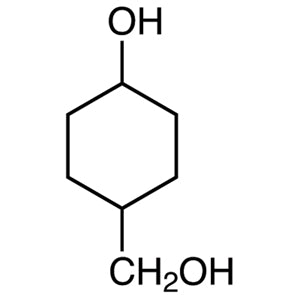
- TCI H1257 33893-85-5 4-(Hydroxymethyl)cyclohexanol (cis- and trans- mixture)
- TCI H1253 74058-21-2 4-(2-Hydroxyethyl)cyclohexanol (cis- and trans- mixture)
- TCI C2534 59719-74-3 1,3-Cyclopentanediol (cis- and trans- mixture)
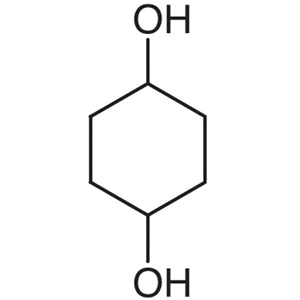
- TCI C0482 556-48-9 1,4-Cyclohexanediol (cis- and trans- mixture)
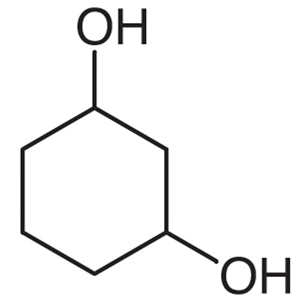
- TCI C0481 504-01-8 1,3-Cyclohexanediol (cis- and trans- mixture)
- Organic synthesis: Trans-2-Butene-1,4-diol is ideal for constructing complex organic molecules due to its reactivity and ability to form multiple functional groups.
- Pharmaceutical research: It is used in the development of new drugs and compounds, supporting the synthesis of bioactive molecules.
- Material science: The compound contributes to the creation of advanced materials with specific chemical properties.
- Environmental chemistry: It is employed in the study of chemical reactions relevant to environmental processes and pollution control.
- Analytical chemistry: Its unique structure and reactivity make it useful in the development of analytical methods and chemical sensors.
| Brand | TCI |
|---|---|
| CAS number | 821-11-4 |
| Molecular formula | — |
| Purity | — |
| Category | Chemistry > Building Blocks > Non-Heterocyclic Building Blocks |
| Pack sizes | Available in various quantities as per standard chemical supply practices |
| Physical form | Liquid |
| Storage | Store in a cool, dry place away from direct sunlight and incompatible materials |
Trans-2-Butene-1,4-diol should be stored in a cool, dry place, away from direct sunlight and incompatible substances. It is recommended to use sealed containers made of glass or high-density polyethylene to prevent contamination and evaporation. Due to its reactivity, it should be handled in a well-ventilated area, preferably under a fume hood. Avoid contact with strong oxidizing agents and acids. Always wear appropriate personal protective equipment, including gloves and safety goggles, when handling this compound. Proper storage and handling ensure the compound remains stable and safe for use in laboratory applications.
—
Product Categories
Produk Terkait
-
cis-2-Butene-1,4-diol TCI B0693
Regular price From Rp 769.650,00Regular priceRp 553.350,00Sale price From Rp 769.650,00 -
4-(Hydroxymethyl)cyclohexanol(cis-andtrans-mixture) TCI H1257
Regular price From Rp 6.811.350,00Regular priceRp 4.778.550,00Sale price From Rp 6.811.350,00 -
4-(2-Hydroxyethyl)cyclohexanol(cis-andtrans-mixture) TCI H1253
Regular price From Rp 3.048.150,00Regular priceRp 2.147.250,00Sale price From Rp 3.048.150,00 -
1,3-Cyclopentanediol(cis-andtrans-mixture) TCI C2534
Regular price Rp 3.922.800,00Regular priceRp 2.758.350,00Sale price Rp 3.922.800,00 -
1,4-Cyclohexanediol(cis-andtrans-mixture) TCI C0482
Regular price From Rp 582.750,00Regular priceRp 423.150,00Sale price From Rp 582.750,00 -
1,3-Cyclohexanediol(cis-andtrans-mixture) TCI C0481
Regular price From Rp 2.677.500,00Regular priceRp 1.887.900,00Sale price From Rp 2.677.500,00 -
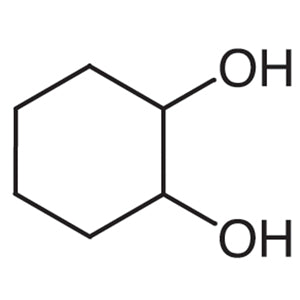
1,2-Cyclohexanediol(cis-andtrans-mixture) TCI C0480
Regular price From Rp 2.252.250,00Regular priceRp 1.590.750,00Sale price From Rp 2.252.250,00 -
1,4-Cyclohexanedimethanol(cis-andtrans-mixture) TCI C0479
Regular price From Rp 530.250,00Regular priceRp 386.400,00Sale price From Rp 530.250,00