Trans-4-(trans-4-Pentylcyclohexyl)cyclohexanol is a complex organic compound widely used in synthetic chemistry applications. This compound serves as a building block in the synthesis of more intricate cyclohexyl-based molecules. Its structural characteristics make it a valuable tool for researchers aiming to develop new chemical compounds. In laboratory settings, it is commonly employed to produce intermediate compounds that are essential for the synthesis of pharmaceuticals, industrial chemicals, and other organic materials. Its role is critical in advancing chemical research and innovation.
The compound's molecular structure provides stability and flexibility, making it suitable for a variety of chemical reactions. Its specific solubility properties aid in separation and purification processes, enhancing the efficiency of laboratory workflows. The compound's chemical stability under certain conditions ensures reliable results in synthetic experiments. These properties make it a preferred choice for chemists working on complex molecular designs.
In Indonesian laboratories, Trans-4-(trans-4-Pentylcyclohexyl)cyclohexanol is utilized by researchers and chemical industries for the development of new products, scientific research, and the production of chemicals with broad applications. It is particularly relevant in the fields of organic chemistry and pharmaceuticals, supporting innovation in both academic and industrial settings. Its use is common in research institutions and chemical companies focused on chemical innovation and development.
Related TCI products
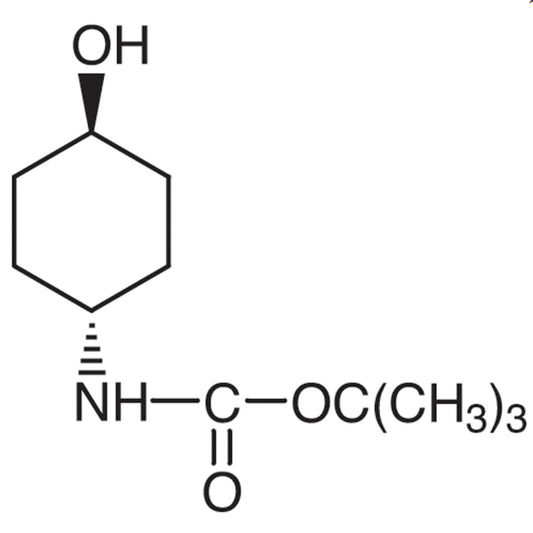
- TCI B3564 111300-06-2 trans-4-(tert-Butoxycarbonylamino)cyclohexanol
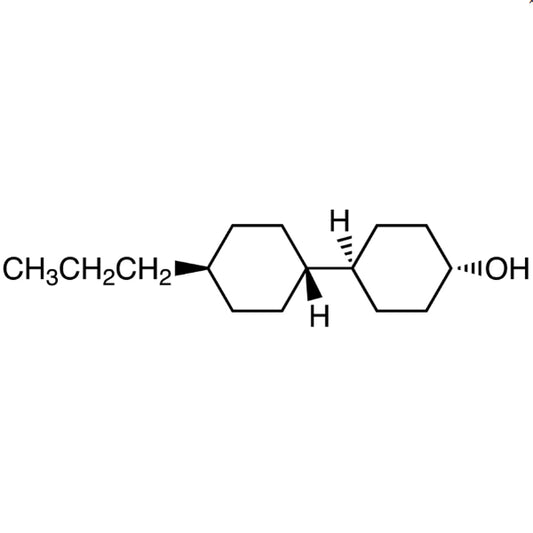
- TCI P2434 82832-72-2 trans-4-(trans-4-Propylcyclohexyl)cyclohexanol
- TCI P1174 2362-61-0 trans-2-Phenyl-1-cyclohexanol
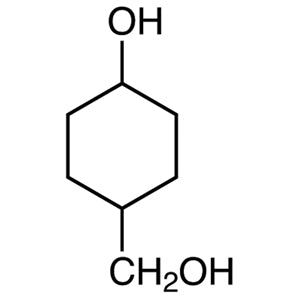
- TCI H1258 3685-27-6 trans-4-(Hydroxymethyl)cyclohexanol
- TCI H1257 33893-85-5 4-(Hydroxymethyl)cyclohexanol (cis- and trans- mixture)
- TCI H1253 74058-21-2 4-(2-Hydroxyethyl)cyclohexanol (cis- and trans- mixture)
- Synthetic chemistry applications where cyclohexyl-based structures are required for complex molecule development.
- Pharmaceutical research for the synthesis of drug intermediates and active pharmaceutical ingredients.
- Industrial chemical production for the creation of specialty chemicals and materials.
- Organic chemistry experiments involving the construction of multi-ring or branched molecular frameworks.
- Research and development projects focused on the design and synthesis of novel organic compounds.
| Brand | TCI |
|---|---|
| CAS number | 82575-70-0 |
| Molecular formula | — |
| Purity | — |
| Category | Chemistry > Building Blocks > Non-Heterocyclic Building Blocks |
| Pack sizes | Available in various quantities as per standard laboratory supply options |
| Physical form | Liquid |
| Storage | Store in a cool, dry place away from direct sunlight and incompatible materials |
This compound should be stored in a cool, dry environment, away from direct sunlight and sources of heat. It is recommended to use airtight containers made of glass or high-density polyethylene to prevent contamination and evaporation. Due to its chemical nature, it should be kept separate from strong oxidizing agents and incompatible substances. Proper labeling and storage conditions are essential to ensure safety and maintain the compound's integrity. Regular monitoring of storage conditions is advised to prevent degradation and ensure its usability in laboratory applications. Always follow standard laboratory safety protocols when handling this material.
—
Produk Terkait
-
trans-4-(tert-Butoxycarbonylamino)cyclohexanol TCI B3564
Regular price From Rp 1.829.100,00Regular price -
trans-4-(trans-4-Propylcyclohexyl)cyclohexanol TCI P2434
Regular price From Rp 1.087.800,00Regular price -
trans-2-Phenyl-1-cyclohexanol TCI P1174
Regular price From Rp 2.411.850,00Regular price -
trans-4-(Hydroxymethyl)cyclohexanol TCI H1258
Regular price From Rp 7.129.500,00Regular price -
4-(Hydroxymethyl)cyclohexanol(cis-andtrans-mixture) TCI H1257
Regular price From Rp 6.758.850,00Regular price -
4-(2-Hydroxyethyl)cyclohexanol(cis-andtrans-mixture) TCI H1253
Regular price From Rp 2.995.650,00Regular price -
1-Ethoxy-4-(trans-4-pentylcyclohexyl)benzene TCI E1367
Regular price From Rp 1.353.450,00Regular price -
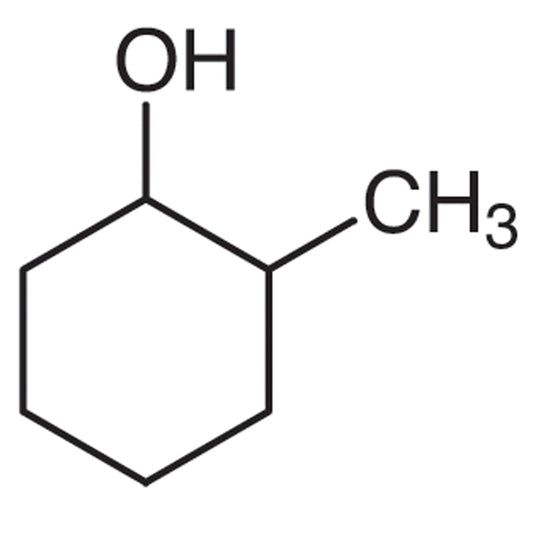
2-Methylcyclohexanol(cis-andtrans-mixture) TCI M0194
Regular price From Rp 505.050,00Regular price