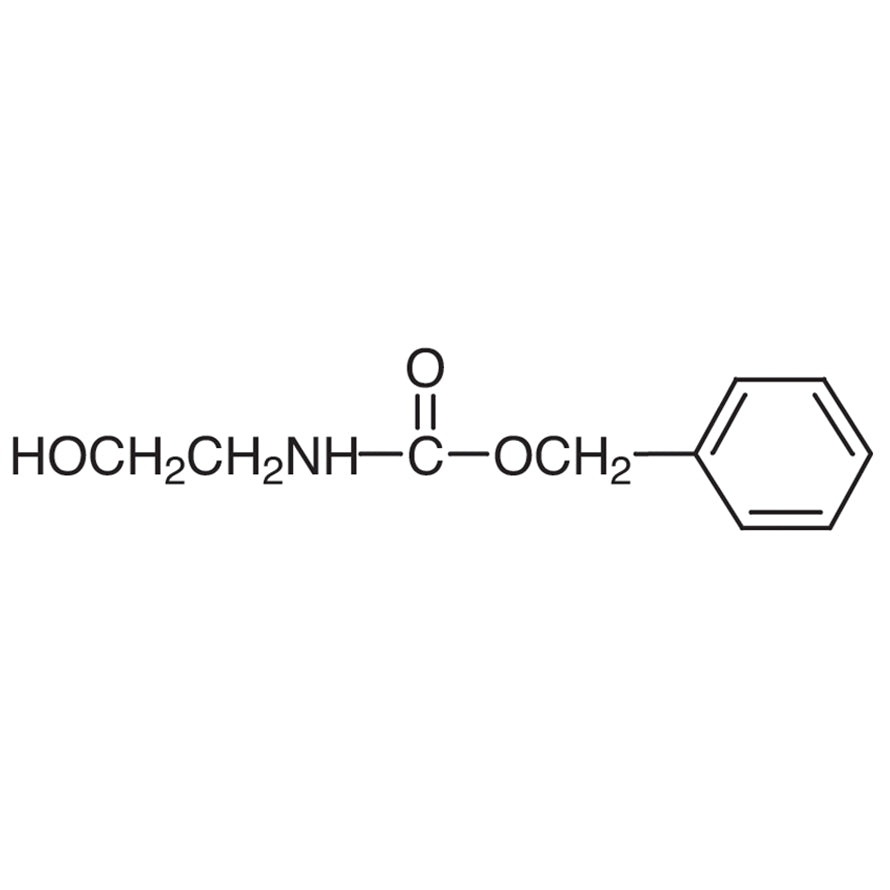
2-(Benzyloxycarbonylamino)-1-ethanol is a chemical compound widely used as a building block in the synthesis of complex organic molecules. It plays a crucial role in laboratory settings where the formation of amide or ester bonds is required, particularly in substitution or replacement reactions. This compound is part of a broader category of non-heterocyclic building blocks, which are essential for the development of new compounds with applications in pharmaceuticals, materials science, and organic chemistry. Its molecular structure provides stability and reactivity, making it a versatile tool for chemists working on diverse synthetic pathways.
The compound's predictable behavior and favorable reactivity make it a preferred choice for high-quality laboratory applications. It is compatible with various functional groups, including carboxylic acids, amines, and other reactive species, enabling it to participate in a wide range of chemical reactions. Its reliability and consistency ensure that it meets the stringent requirements of modern research environments. These properties make it an essential component for laboratories that prioritize precision and reproducibility in their experiments.
In Indonesian laboratories, 2-(Benzyloxycarbonylamino)-1-ethanol is commonly used in research and development projects, especially in the fields of pharmaceuticals and organic chemistry. It supports the creation of new compounds that contribute to the advancement of drug development and synthetic materials. Many research institutions and universities in Indonesia rely on this compound to enhance the quality and innovation of their scientific outputs.
Related TCI products
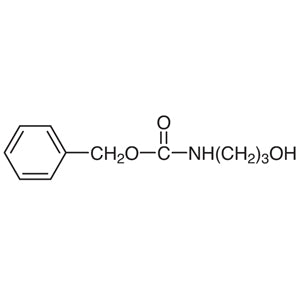
- TCI C1932 34637-22-4 3-(Benzyloxycarbonylamino)-1-propanol
- TCI B6075 17996-12-2 6-(N-Benzyloxycarbonylamino)-1-hexanol
- TCI F0912 105496-31-9 2-[(9H-Fluoren-9-ylmethoxy)carbonylamino]-1-ethanol
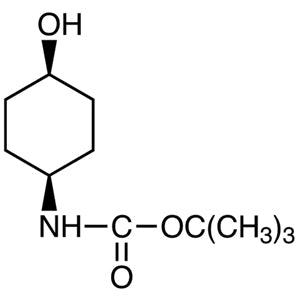
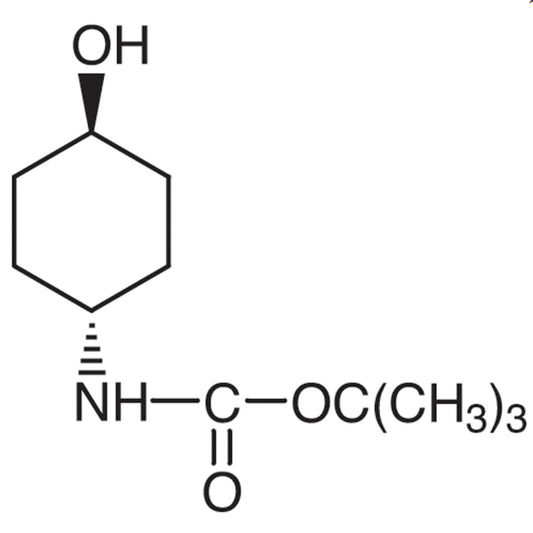
- TCI B5367 167081-25-6 cis-4-(tert-Butoxycarbonylamino)cyclohexanol
- TCI B4714 224309-64-2 4-(tert-Butoxycarbonylamino)cyclohexanol
- TCI B3564 111300-06-2 trans-4-(tert-Butoxycarbonylamino)cyclohexanol
- Organic synthesis is a key application where this compound serves as a versatile building block for creating complex molecules with specific functional groups.
- Pharmaceutical research benefits from its role in the synthesis of drug molecules, particularly those requiring amide or ester functionalities.
- Material science applications utilize its reactivity to develop new synthetic materials with tailored properties and chemical stability.
- Analytical chemistry uses it as a standard reference in reactions that require precise control over functional group transformations.
- Academic research in chemistry relies on its predictable behavior to support teaching and experimental studies in synthetic methodologies.
| Brand | TCI |
|---|---|
| CAS number | 77987-49-6 |
| Molecular formula | — |
| Purity | — |
| Category | Chemistry > Building Blocks > Non-Heterocyclic Building Blocks |
| Pack sizes | Available in various quantities as per supplier specifications |
| Physical form | Solid or liquid, depending on the specific product variant |
| Storage | Store in a cool, dry place away from direct sunlight and incompatible substances |
This compound should be stored in a cool, dry environment to maintain its stability and prevent degradation. It is recommended to use airtight containers to minimize exposure to moisture and air, which can affect its chemical integrity. Proper labeling of storage containers is essential for safety and traceability. In laboratory settings, it is important to handle the compound with appropriate personal protective equipment, such as gloves and safety goggles, to ensure safe handling. It should be kept away from incompatible materials like strong acids or bases to prevent unwanted reactions. Regular monitoring of storage conditions ensures the compound remains suitable for its intended use in research applications.
—
Produk Terkait
-
3-(Benzyloxycarbonylamino)-1-propanol TCI C1932
Regular price From Rp 1.803.900,00Regular price -
6-(N-Benzyloxycarbonylamino)-1-hexanol TCI B6075
Regular price From Rp 875.700,00Regular price -
2-[(9H-Fluoren-9-ylmethoxy)carbonylamino]-1-ethanol TCI F0912
Regular price From Rp 1.776.600,00Regular price -
cis-4-(tert-Butoxycarbonylamino)cyclohexanol TCI B5367
Regular price Rp 2.147.250,00Regular price -
4-(tert-Butoxycarbonylamino)cyclohexanol TCI B4714
Regular price From Rp 557.550,00Regular price -
trans-4-(tert-Butoxycarbonylamino)cyclohexanol TCI B3564
Regular price From Rp 1.829.100,00Regular price -
2-(Benzyloxy)ethanol TCI B0426
Regular price From Rp 557.550,00Regular price -
1-(2-Naphthyl)ethanol TCI N0788
Regular price From Rp 1.936.200,00Regular price

![2-[(9H-Fluoren-9-ylmethoxy)carbonylamino]-1-ethanol (CAS 105496-31-9) - TCI F0912 - AMI Scientific](http://amiscientific.com/cdn/shop/files/TCI2510F0912.jpg?v=1768360279&width=533)
![2-[(9H-Fluoren-9-ylmethoxy)carbonylamino]-1-ethanol (CAS 105496-31-9) - TCI F0912 - AMI Scientific](http://amiscientific.com/cdn/shop/files/TCI2510F0912_7015b120-6ef9-4b31-b560-2db5133d3537.jpg?v=1769056131&width=533)