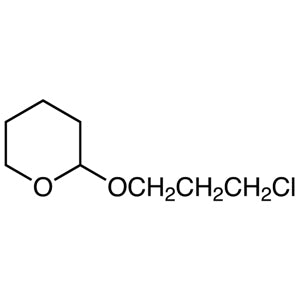
2-(3-Chloropropoxy)tetrahydro-2H-pyran is an organic chemical compound that serves as a synthetic building block in organic and synthetic chemistry laboratories. It is a tetrahydropyran derivative carrying a 3-chloropropoxy chain, combining two important reactive functions in a single molecule: the tetrahydropyran (THP) ring, which is recognized as a protecting group for alcohols, and a terminal chlorine atom that acts as the point of attack for nucleophilic substitution reactions. In the laboratory, this material is used to assemble more complex molecules, such as intermediates in drug synthesis, fine chemicals, and specialty chemical products. Because it functions as a starting material, the compound is generally used on a gram scale with both conventional reaction techniques and more modern synthetic methods.
The main characteristic that makes this compound a preferred choice is the presence of two complementary functional groups within a single molecular framework. The tetrahydropyran ring provides temporary protection for hydroxyl groups, allowing other reactions to be carried out selectively on a different part of the molecule without interference. At the same time, the terminal 3-chloropropoxy end serves as a reactive site for nucleophilic substitution, enabling the introduction of further structural fragments. This dual functionality lets chemists plan multi-step syntheses with greater control and fewer side reactions, making the compound a reliable and versatile intermediate. Its predictable reactivity and compatibility with standard laboratory procedures contribute to its frequent selection for building molecular complexity.
In Indonesian laboratories, particularly those engaged in organic synthesis research at universities and in the pharmaceutical and fine chemical industries, this compound is commonly used as a starting material for constructing more elaborate molecular structures. Researchers employ it to prepare protected intermediates, to extend carbon chains, and to introduce functional handles that can be modified in later synthetic steps. It is typically handled in small gram-scale quantities under standard bench conditions, and its use supports the development of drug candidates, agrochemical intermediates, and specialty chemicals within the country's growing chemistry research community.
- Intermediate synthesis in medicinal chemistry: the compound's dual THP and chloro functionality allows stepwise assembly of drug-like molecules, making it a practical starting point for building protected pharmaceutical intermediates.
- Alcohol protection strategy: the tetrahydropyran ring temporarily shields hydroxyl groups, enabling selective reactions elsewhere in the molecule and later clean removal of the protecting group under appropriate conditions.
- Nucleophilic substitution reactions: the terminal chlorine atom serves as a leaving group, allowing introduction of amines, thiols, alkoxides, and other nucleophiles to extend the molecular scaffold in a controlled manner.
- Building heterocyclic frameworks: as a heterocyclic building block, it contributes the tetrahydropyran core along with a reactive side chain, supporting the construction of ring systems found in fine chemicals and specialty products.
- Gram-scale route scouting: its stable and predictable reactivity makes it suitable for small-scale reaction screening and synthetic route development in academic and industrial organic chemistry laboratories.
| Brand | TCI (product code C2072) |
|---|---|
| CAS number | 42330-88-1 |
| Molecular formula | — |
| Purity | — |
| Category | Chemistry > Building Blocks > Heterocyclic Building Blocks |
| Pack sizes | — |
| Physical form | — |
| Storage | keep the container tightly closed and store under the conditions stated on the product label |
- Product name: 2-(3-Chloropropoxy)tetrahydro-2H-pyran
Store the product in a cool, dry, and well-ventilated area, away from direct sunlight, heat sources, and incompatible materials. Keep the container tightly closed when not in use to prevent moisture absorption and contamination. Suitable containers are the original manufacturer's bottle or an equivalent tightly sealed glass or compatible laboratory container. Always wear appropriate personal protective equipment, including laboratory gloves, safety goggles, and a lab coat, when handling the compound. Work in a fume hood or well-ventilated area to minimize exposure to vapors or dust. Avoid contact with skin and eyes, and wash hands thoroughly after handling. Follow standard laboratory waste disposal procedures and consult the safety data sheet for specific hazard information before use.
—
Produk Terkait
-
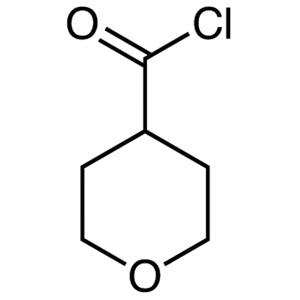
Tetrahydro-2H-pyran-4-carbonylChloride TCI T3890
Regular price From Rp 1.378.650,00Regular price -
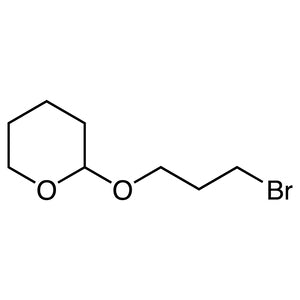
2-(3-Bromopropoxy)tetrahydro-2H-pyran(stabilizedwithK2CO3) TCI B3187
Regular price From Rp 1.936.200,00Regular price -
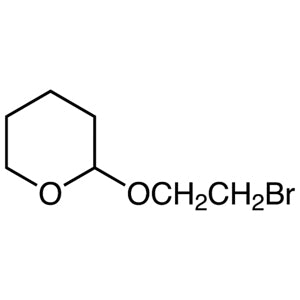
2-(2-Bromoethoxy)tetrahydro-2H-pyran(stabilizedwithK2CO3) TCI B2850
Regular price From Rp 1.749.300,00Regular price -
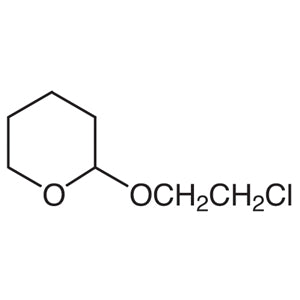
2-(2-Chloroethoxy)tetrahydro-2H-pyran TCI C1678
Regular price Rp 3.817.800,00Regular price -
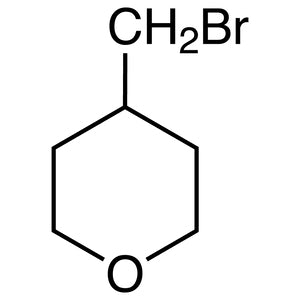
4-(Bromomethyl)tetrahydro-2H-pyran TCI B6596
Regular price From Rp 3.021.900,00Regular price -
4-Chlorotetrahydro-2H-pyran TCI C2273
Regular price From Rp 2.411.850,00Regular price -
4-Bromotetrahydro-2H-pyran TCI B5600
Regular price From Rp 1.060.500,00Regular price -
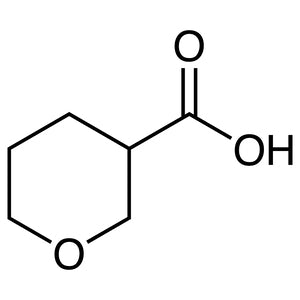
Tetrahydro-2H-pyran-3-carboxylicAcid TCI T4166
Regular price From Rp 1.405.950,00Regular price