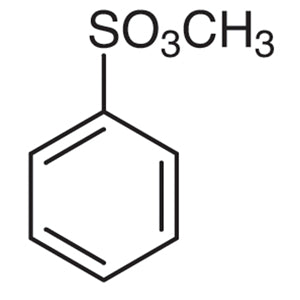
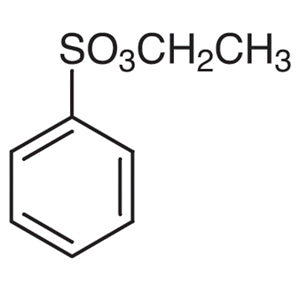
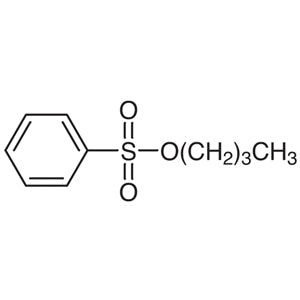
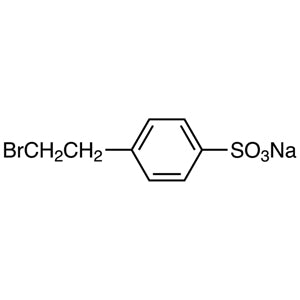
2-Chloroethyl Benzenesulfonate from TCI (product code C2230) is the ester formed from benzenesulfonic acid and 2-chloroethanol. It belongs to the non-heterocyclic building blocks used in organic synthesis. The molecule has two electrophilic centres: the benzenesulfonate group, which is an excellent leaving group, and the chlorine atom at the end of the ethyl chain. In synthetic laboratories it serves as an alkylating agent that introduces a 2-chloroethyl group onto nucleophilic atoms such as nitrogen, oxygen or sulfur.
The main advantage of this compound is that its two leaving groups react at different rates. The sulfonate group is generally far more reactive than the chloride. A nucleophile can therefore be alkylated first at the sulfonate position while the chlorine atom stays in place for a later step. This selectivity makes stepwise synthesis possible. For example, chemists can prepare a 2-chloroethyl derivative and then cyclise it or substitute the chlorine with a different nucleophile. Controlling two reactive sites in sequence like this helps when assembling bioactive compounds, ligands and pharmaceutical intermediates.
In Indonesia, synthetic organic chemistry laboratories at universities and research institutions use reagents like this one, as do research units in the pharmaceutical and chemical industries. Graduate researchers and synthetic chemists use it to build multistep routes to new molecules and to explore structure–activity relationships. Industrial R&D teams use it to develop intermediates for process studies. AMI Scientific supplies this TCI reagent so that local laboratories can source a recognised building block for their routine and exploratory synthesis work.
- N-alkylation of amines: the reactive benzenesulfonate group transfers a 2-chloroethyl unit to nitrogen nucleophiles, and the terminal chlorine remains available for further transformation.
- O- and S-alkylation: alcohols, phenols and thiols can be functionalised with a 2-chloroethyl chain, giving ethers and thioethers that still carry a reactive chloride handle.
- Stepwise and sequential synthesis: because the sulfonate and chloride react at different rates, chemists can carry out two separate substitutions in a controlled order.
- Cyclisation studies: 2-chloroethyl derivatives made with this reagent can later be cyclised intramolecularly, which is useful for building ring systems from simple precursors.
- Preparation of ligands and pharmaceutical intermediates: the bifunctional ethyl linker helps in assembling bioactive molecules, ligands and drug-discovery intermediates in research laboratories.
| Brand | TCI (product code C2230) |
|---|---|
| CAS number | 16670-48-7 |
| Molecular formula | — |
| Purity | — |
| Category | Chemistry > Building Blocks > Non-Heterocyclic Building Blocks |
| Pack sizes | as offered by TCI for product C2230; please check with AMI Scientific |
| Physical form | see the TCI product documentation and certificate of analysis |
| Storage | follow the conditions on the TCI label and safety data sheet |
Store the reagent in its original, tightly closed TCI container in a cool, dry and well-ventilated area, away from moisture, strong bases, strong nucleophiles and oxidising agents. Follow the storage temperature on the product label and safety data sheet. Because it is an alkylating agent, handle it only in a fume hood. Wear chemical-resistant gloves, safety goggles and a laboratory coat, and avoid skin contact and inhaling vapours. Label any transferred portions clearly. Dispose of residues and contaminated materials as hazardous chemical waste according to institutional and local regulations.
—
Produk Terkait
-
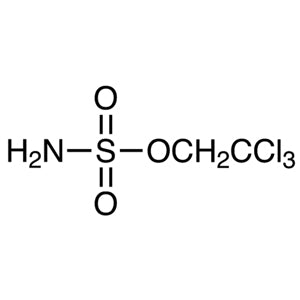
2,2,2-TrichloroethylSulfamate TCI T2646
Regular price From Rp 980.700,00Regular priceRp 701.400,00Sale price From Rp 980.700,00 -
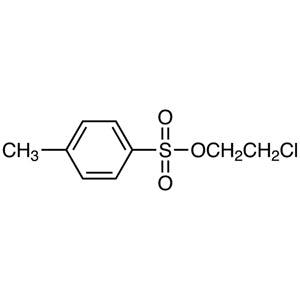
2-Chloroethylp-Toluenesulfonate TCI C2380
Regular price Rp 1.803.900,00Regular priceRp 1.261.050,00Sale price Rp 1.803.900,00 -
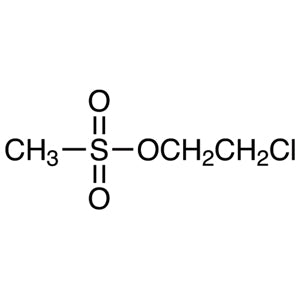
2-ChloroethylMethanesulfonate TCI C2231
Regular price Rp 3.949.050,00Regular priceRp 2.761.500,00Sale price Rp 3.949.050,00 -
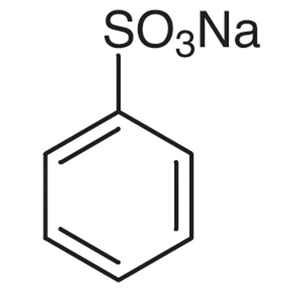
SodiumBenzenesulfonate TCI B0035
Regular price From Rp 875.700,00Regular priceRp 612.150,00Sale price From Rp 875.700,00 -
MethylBenzenesulfonate TCI B0033
Regular price From Rp 848.400,00Regular priceRp 593.250,00Sale price From Rp 848.400,00 -
EthylBenzenesulfonate TCI B0032
Regular price From Rp 1.035.300,00Regular priceRp 723.450,00Sale price From Rp 1.035.300,00 -
ButylBenzenesulfonate TCI B0031
Regular price Rp 1.405.950,00Regular priceRp 982.800,00Sale price Rp 1.405.950,00 -
Sodium4-(2-Bromoethyl)benzenesulfonate TCI S0484
Regular price From Rp 2.439.150,00Regular priceRp 1.705.200,00Sale price From Rp 2.439.150,00