Sodium 2-Chloroethanesulfonate (ca. 13% in Water) from TCI, product code C1110, is the sodium salt of 2-chloroethanesulfonic acid and is supplied as an aqueous solution. This compound has two functional groups on one short molecule: a chlorine atom that reacts with nucleophiles and a highly polar sulfonate group. In the laboratory, it is used as a reagent to add a sulfoethyl group to other molecules, both small molecules and polymers. This makes the products more hydrophilic and more soluble in water.
Chemists choose this material because the chemistry is fairly simple. Amines, thiols, alkoxides, or the hydroxyl groups of polymers can replace the chlorine atom, while the sulfonate group stays intact and gives the product a stable negative charge. The solution is about 13% in water, as the product name states. This makes it easy to measure out and well suited to reactions that already run in water. Users should take the water content into account when they work out stoichiometry. For other technical details, refer to the TCI certificate of analysis.
In Indonesia, this material is relevant to polymer chemistry, materials chemistry, and pharmaceutical laboratories that modify biopolymers to make them more water-soluble. University research groups that study functional materials, surface modification, or water-soluble derivatives of organic compounds can use it as a convenient source of the sulfoethyl group. Because it comes as a ready-to-use aqueous solution, it fits well into routine synthesis work in academic and industrial laboratories that favour water-based reaction conditions.
Related TCI products
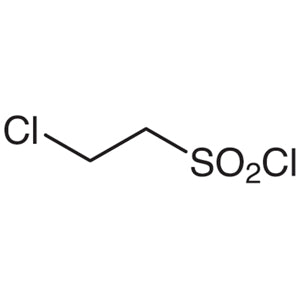
- TCI C1142 1622-32-8 2-Chloroethanesulfonyl Chloride
- TCI S0136 89-08-7 4-Sulfophthalic Acid (contains 3-Sulfophthalic Acid) (ca 50% in Water)
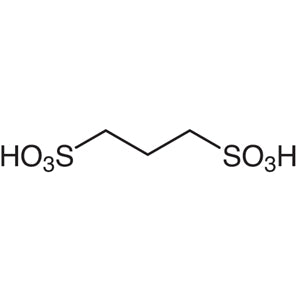
- TCI P1204 21668-77-9 1,3-Propanedisulfonic Acid (50-60% in Water)
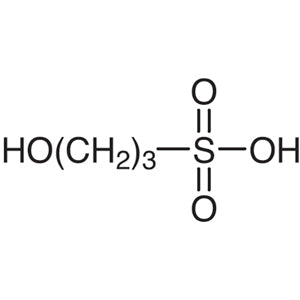
- TCI H0597 15909-83-8 3-Hydroxypropanesulfonic Acid (contains varying amounts of 3,3'-Oxydipropanesulfonic Acid) (ca 80% in Water, ca 78mol/L)
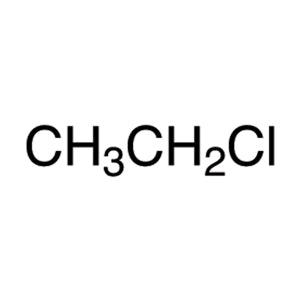
- TCI C2882 75-00-3 Chloroethane (ca. 17% in Ethyl Ether, ca. 2.0mol/L)
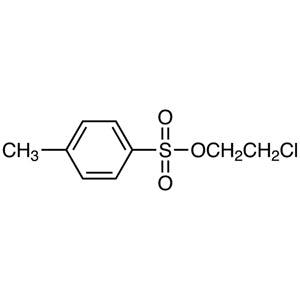
- TCI C2380 80-41-1 2-Chloroethyl p-Toluenesulfonate
- Sulfoethylation of small molecules: the reactive chlorine atom can be replaced by nucleophiles such as amines or thiols, adding a sulfonate-bearing ethyl chain to the target molecule.
- Modification of biopolymers: the hydroxyl groups of polymers can react with the chlorine atom, introducing sulfonate groups that make the modified biopolymer more hydrophilic and water-soluble.
- Preparation of water-soluble derivatives: the stable sulfonate group carries a negative charge, which helps improve the water solubility of organic compounds made for further study.
- Aqueous-phase synthesis: the reagent is supplied as a solution of about 13% in water, so it suits reactions that already take place in water-based media.
- Functional materials research: the two functional groups make it a simple building block for adding polar, charged groups to materials studied in polymer and materials chemistry.
| Brand | TCI (product code C1110) |
|---|---|
| CAS number | 15484-44-3 |
| Molecular formula | — |
| Purity | — |
| Category | Chemistry > Building Blocks > Non-Heterocyclic Building Blocks |
| Pack sizes | available as listed by TCI for product C1110 |
| Physical form | aqueous solution, ca. 13% in water |
| Storage | keep tightly closed and follow the TCI label and certificate of analysis |
Store the solution in its original, tightly closed container in a cool, dry, well-ventilated place away from direct sunlight and incompatible materials. Follow the storage conditions on the TCI label and the safety data sheet. Keep the container sealed when not in use so the concentration does not change. Wear standard laboratory protection when handling the solution: gloves, safety glasses, and a lab coat. Avoid contact with skin and eyes, and work in a well-ventilated area or fume hood. Remember that the reagent is supplied in water when you plan reactions and calculate quantities. Dispose of waste according to local regulations and your institution's procedures.
—
Produk Terkait
-
2-ChloroethanesulfonylChloride TCI C1142
Regular price From Rp 1.193.850,00Regular priceRp 834.750,00Sale price From Rp 1.193.850,00 -
4-SulfophthalicAcid(contains3-SulfophthalicAcid)(ca50%inWater) TCI S0136
Regular price From Rp 557.550,00Regular priceRp 389.550,00Sale price From Rp 557.550,00 -
1,3-PropanedisulfonicAcid(50-60%inWater) TCI P1204
Regular price Rp 1.749.300,00Regular priceRp 1.223.250,00Sale price Rp 1.749.300,00 -
3-HydroxypropanesulfonicAcid(containsvaryingamountsof3,3'-OxydipropanesulfonicAcid)(ca80%inWater,ca78mol/L) TCI H0597
Regular price From Rp 1.353.450,00Regular priceRp 946.050,00Sale price From Rp 1.353.450,00 -
Chloroethane(ca.17%inEthylEther,ca.2.0mol/L) TCI C2882
Regular price From Rp 1.803.900,00Regular priceRp 1.261.050,00Sale price From Rp 1.803.900,00 -
2-Chloroethylp-Toluenesulfonate TCI C2380
Regular price Rp 1.803.900,00Regular priceRp 1.261.050,00Sale price Rp 1.803.900,00 -
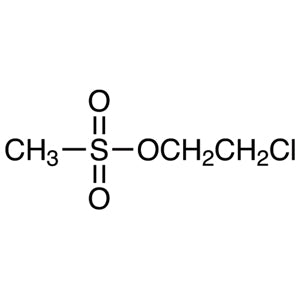
2-ChloroethylMethanesulfonate TCI C2231
Regular price Rp 3.949.050,00Regular priceRp 2.761.500,00Sale price Rp 3.949.050,00 -
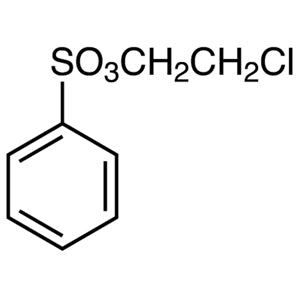
2-ChloroethylBenzenesulfonate TCI C2230
Regular price From Rp 1.565.550,00Regular priceRp 1.094.100,00Sale price From Rp 1.565.550,00