TCI C2231 2-Chloroethyl Methanesulfonate is a non-heterocyclic building block belonging to the mesylate ester family, widely applied as a two-ended alkylating reagent in organic synthesis. Its molecular structure carries a mesylate group serving as an excellent leaving group at one end and a chlorine atom at the other, giving researchers two reactive sites with clearly differentiated levels of reactivity. This configuration is particularly useful for introducing a two-carbon bridge into a target molecule in stepwise fashion, then closing it through a cyclization reaction. The compact size of the molecule makes it an economical choice from an atom-economy standpoint in synthetic design.
The principal advantage of a mesylate over aromatic sulfonates lies in its lower molecular weight, so the mass of reagent required per mole is smaller and the methanesulfonate by-product is more easily separated during the purification stage. The mesylate group is also far more readily displaced than chloride or bromide, which means nucleophilic substitution can proceed at low temperature with a weak base, making it suitable for substrates that are sensitive to harsh conditions. The reactivity difference between the mesylate end and the chloride end allows reactions to be directed selectively to one site before the second site is engaged.
In Indonesian laboratories, this building block is typically found in university organic chemistry research groups, pharmaceutical and medicinal chemistry programmes, and industrial R&D units engaged in intermediate preparation. It is handled in fume hoods on a research and pilot scale, where the ability to run substitution steps under mild conditions is valued in facilities that do not always have access to specialised low-temperature or inert-atmosphere equipment. Its role as a compact bifunctional linker makes it a practical stock item for multi-step synthesis work.
TCI brochures (PDF)
- Alkylation Reagents for Ester Synthesis 2026-04-06 · p. 5
Related TCI products
- Stepwise alkylation of nucleophiles, where the highly labile mesylate end reacts first under mild conditions while the chloride end remains available for a later, separate transformation.
- Introduction of two-carbon bridges into target molecules, allowing researchers to extend a scaffold by a short ethylene linker before closing the structure through a subsequent cyclization step.
- Ring-closing and cyclization chemistry, in which the two differentiated reactive ends are engaged in sequence so that intramolecular bond formation completes the desired ring system.
- Preparation of synthetic intermediates in medicinal and pharmaceutical chemistry research, where mild substitution conditions protect sensitive functional groups elsewhere in the substrate molecule.
- Bifunctional linker chemistry for joining two distinct nucleophilic partners, exploiting the clear reactivity gap between the mesylate and chloride termini to control the order of coupling.
| Brand | TCI (Tokyo Chemical Industry) |
|---|---|
| CAS number | 3570-58-9 |
| Molecular formula | — |
| Purity | — |
| Category | Chemistry > Building Blocks > Non-Heterocyclic Building Blocks |
| Pack sizes | available in standard TCI research-scale packaging; please confirm the size options when ordering |
| Physical form | — |
| Storage | keep in the original tightly closed container under the conditions stated on the manufacturer's label and safety data sheet |
- Chemical name: 2-Chloroethyl Methanesulfonate
- Catalogue code: C2231
Store the container tightly closed in a cool, dry, well-ventilated area away from heat, ignition sources, moisture, and incompatible materials such as strong bases and strong oxidising agents, following the conditions specified on the manufacturer's label and safety data sheet. Keep the material in its original supplier container, or in a chemically compatible, clearly labelled vessel if transfer is necessary. Handle only inside a functioning fume hood, wearing safety glasses, chemical-resistant gloves, and a laboratory coat. As an alkylating agent, this compound should be treated with particular care: avoid skin contact, eye contact, and inhalation of vapours, minimise the quantity handled on the open bench, and consult the safety data sheet before use, spill clean-up, or waste disposal.
—
Produk Terkait
-
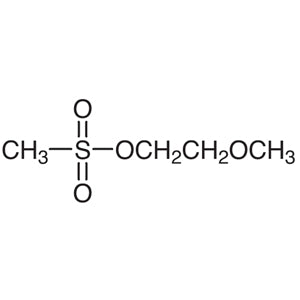
2-MethoxyethylMethanesulfonate TCI M1446
Regular price From Rp 2.359.350,00Regular price -
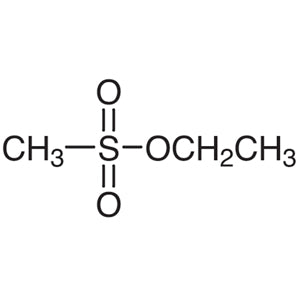
EthylMethanesulfonate TCI M0607
Regular price From Rp 2.041.200,00Regular price -
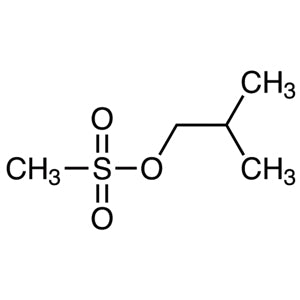
IsobutylMethanesulfonate TCI I1062
Regular price From Rp 1.035.300,00Regular price -
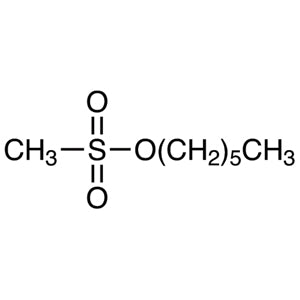
HexylMethanesulfonate TCI H1282
Regular price From Rp 3.525.900,00Regular price -
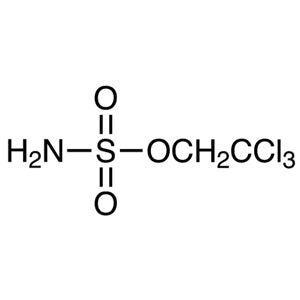
2,2,2-TrichloroethylSulfamate TCI T2646
Regular price From Rp 928.200,00Regular price -
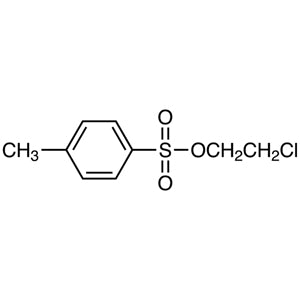
2-Chloroethylp-Toluenesulfonate TCI C2380
Regular price Rp 1.803.900,00Regular price -
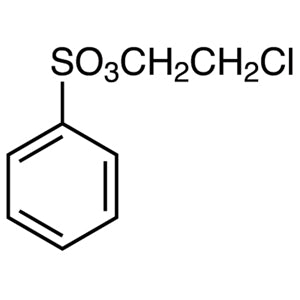
2-ChloroethylBenzenesulfonate TCI C2230
Regular price From Rp 1.565.550,00Regular price -
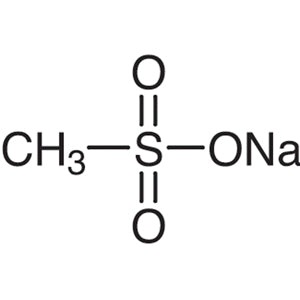
SodiumMethanesulfonate TCI S0518
Regular price From Rp 955.500,00Regular price