Hexyl methanesulfonate is the mesylate ester of hexanol, a compound formed by joining a six-carbon alkyl chain to a methanesulfonate group. In organic chemistry, the mesylate group is recognised as one of the best leaving groups available, which makes this compound function in practice as a ready-to-use alkylating reagent. In the laboratory, it is employed to attach a hexyl chain to a wide range of nucleophiles such as amines, thiols, phenols, and carboxylate anions, without the need to prepare a halide derivative in-house — derivatives that are often less reactive or less stable.
The main reason for choosing a mesylate over an alkyl halide is its higher reactivity and more predictable behaviour. The methanesulfonate anion is an exceptionally stable conjugate base, so nucleophilic substitution proceeds efficiently under relatively mild conditions and at temperatures that need not be high. The hexyl chain itself is long enough to impart meaningful lipophilic character to the product, yet still short enough that solubility in common organic solvents remains good. This combination makes it a practical choice for both quaternisation work and surface modification.
In Indonesian laboratories, this reagent fits naturally into synthetic work where a defined six-carbon chain must be introduced reliably and reproducibly. Research groups working on organic synthesis, materials modification, and the preparation of functionalised intermediates value a reagent that behaves consistently from batch to batch, since it removes one variable from multi-step routes and allows the alkylation step to be carried out under conditions that are straightforward to control with standard laboratory equipment.
TCI brochures (PDF)
- Alkylation Reagents for Ester Synthesis 2026-04-06 · p. 5
- N-Alkylation of amines — the excellent leaving-group character of the mesylate allows hexyl chains to be attached to primary and secondary amines efficiently under mild conditions.
- Quaternisation of tertiary amines and nitrogen heterocycles — the reagent converts neutral nitrogen centres into quaternary ammonium species carrying a lipophilic six-carbon tail.
- S-Alkylation of thiols — thiolate anions react readily with this mesylate, giving hexyl thioethers without recourse to less stable or less reactive alkyl halide reagents.
- O-Alkylation of phenols and carboxylate anions — the stable methanesulfonate conjugate base supports clean substitution, making it useful for preparing hexyl ethers and esters.
- Surface and materials modification — the hexyl chain imparts meaningful lipophilic character to modified substrates while retaining good solubility in common organic solvents.
| Brand | TCI |
|---|---|
| CAS number | 16156-50-6 |
| Molecular formula | — |
| Purity | — |
| Category | Chemistry > Building Blocks > Non-Heterocyclic Building Blocks |
| Pack sizes | available in the pack sizes listed on this product page |
| Physical form | — |
| Storage | store according to the conditions stated on the manufacturer's label and safety data sheet |
- Product code: H1282
Store the container tightly closed in a cool, dry, and well-ventilated area, away from heat sources, direct sunlight, and incompatible materials, following the conditions stated on the manufacturer's label and safety data sheet. Keep the material in its original container or in a chemically compatible, clearly labelled vessel, and reseal it promptly after each use to limit exposure to moisture and air. As an alkylating reagent, it should be handled in a fume hood using appropriate personal protective equipment, including safety glasses, chemical-resistant gloves, and a laboratory coat. Avoid contact with skin and eyes and avoid inhalation of vapours. Dispose of residues and contaminated materials in accordance with institutional chemical waste procedures and applicable local regulations.
—
Produk Terkait
-
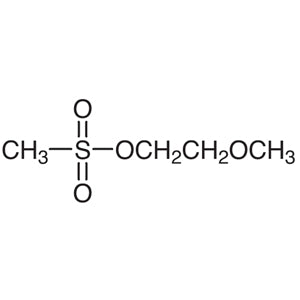
2-MethoxyethylMethanesulfonate TCI M1446
Regular price From Rp 2.359.350,00Regular price -
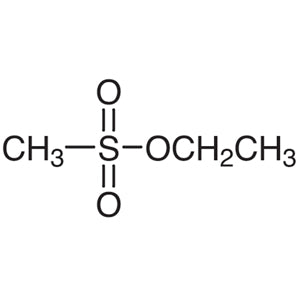
EthylMethanesulfonate TCI M0607
Regular price From Rp 2.041.200,00Regular price -
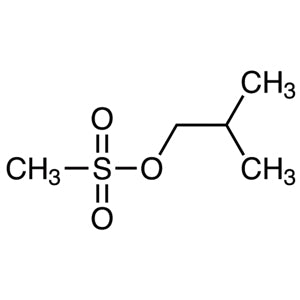
IsobutylMethanesulfonate TCI I1062
Regular price From Rp 1.035.300,00Regular price -
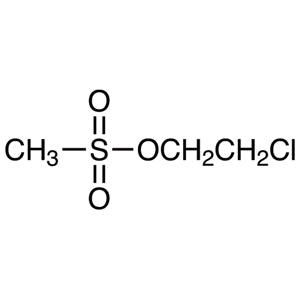
2-ChloroethylMethanesulfonate TCI C2231
Regular price Rp 3.949.050,00Regular price -
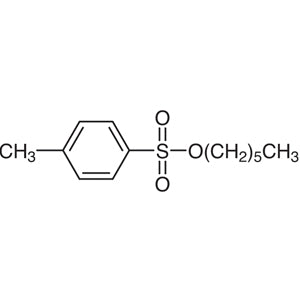
Hexylp-Toluenesulfonate TCI T0883
Regular price From Rp 1.776.600,00Regular price -
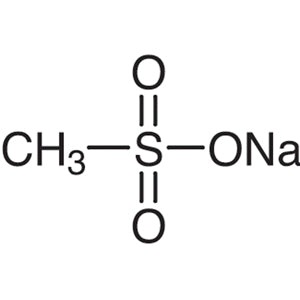
SodiumMethanesulfonate TCI S0518
Regular price From Rp 955.500,00Regular price -
2-Propyn-1-ylMethanesulfonate TCI P3022
Regular price From Rp 2.068.500,00Regular price -
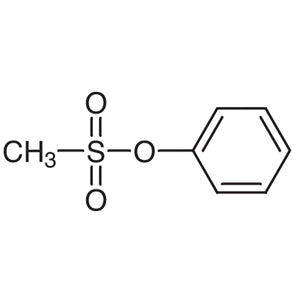
PhenylMethanesulfonate TCI P1852
Regular price Rp 2.359.350,00Regular price