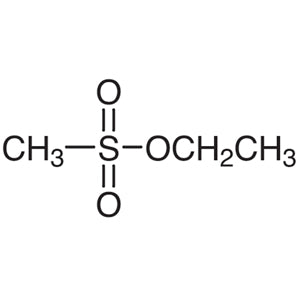
Ethyl Methanesulfonate (EMS) is a chemical compound widely used in laboratory applications, particularly in the synthesis of organic compounds. As a versatile building block, EMS plays a crucial role in various chemical reactions, especially in the formation of heterocyclic compounds and complex functional groups. Its simple molecular structure allows for efficient participation in substitution and replacement reactions, making it a valuable reagent in synthetic chemistry. Due to its reactivity, EMS is often employed in reactions that require precise functional group modifications.
EMS is known for its high reactivity, especially towards bases and polar compounds. This reactivity makes it a preferred choice for chemists seeking efficient and effective synthetic pathways. Its ability to undergo nucleophilic substitution reactions under controlled conditions ensures its utility in a wide range of chemical transformations. Additionally, EMS is a strong alkylating agent, which contributes to its effectiveness in modifying molecular structures. These properties make it a reliable and powerful reagent in organic synthesis.
In Indonesian laboratories, EMS is commonly used in organic chemistry research, particularly in the synthesis of compounds requiring methyl substitution or complex chemical reactions. It is also utilized in molecular modification studies, where its reactivity and versatility are highly valued. Due to its role in creating structurally diverse compounds, EMS remains an essential component in many experimental setups within the chemical research community in Indonesia.
Related TCI products
- Organic synthesis where EMS is used for methyl substitution reactions due to its strong alkylating properties.
- Heterocyclic compound formation as EMS facilitates the construction of complex ring structures through substitution.
- Functional group modification in chemical reactions where precise structural changes are required.
- Research in molecular modification studies due to its reactivity and ability to participate in various chemical transformations.
- Development of new chemical compounds in synthetic chemistry applications requiring efficient reagents.
| Brand | TCI |
|---|---|
| CAS number | 62-50-0 |
| Molecular formula | — |
| Purity | — |
| Category | Chemistry > Building Blocks > Non-Heterocyclic Building Blocks |
| Pack sizes | Available in various quantities as per standard laboratory supply |
| Physical form | Liquid |
| Storage | Store in a cool, dry place away from moisture and direct sunlight |
Ethyl Methanesulfonate should be stored in a cool, dry place, away from moisture and direct sunlight. It is recommended to use sealed containers made of materials resistant to chemical corrosion, such as glass or high-density polyethylene. Due to its corrosive and irritating properties, proper personal protective equipment, including gloves and safety goggles, should be worn when handling EMS. It is essential to ensure good ventilation in the laboratory to prevent inhalation of vapors. EMS should be kept in a secure location, away from incompatible substances like strong bases or oxidizing agents. Always follow standard laboratory safety protocols to minimize exposure and ensure safe handling.
—
Produk Terkait
-
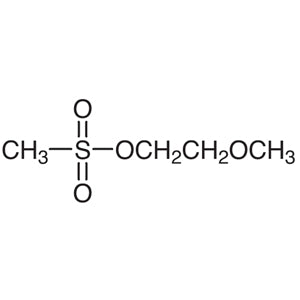
2-MethoxyethylMethanesulfonate TCI M1446
Regular price From Rp 2.359.350,00Regular price -
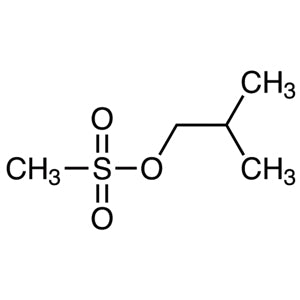
IsobutylMethanesulfonate TCI I1062
Regular price From Rp 1.035.300,00Regular price -
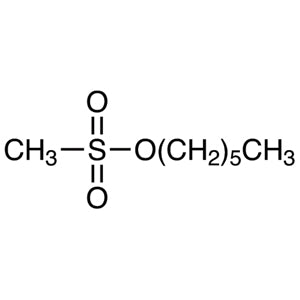
HexylMethanesulfonate TCI H1282
Regular price From Rp 3.525.900,00Regular price -
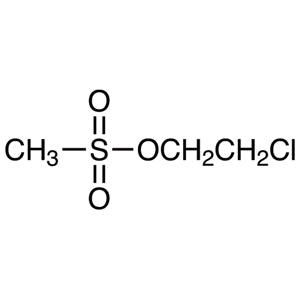
2-ChloroethylMethanesulfonate TCI C2231
Regular price Rp 3.949.050,00Regular price -
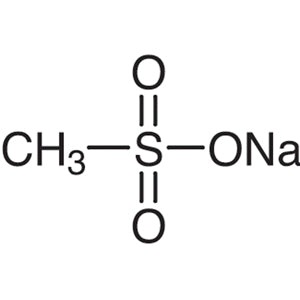
SodiumMethanesulfonate TCI S0518
Regular price From Rp 955.500,00Regular price -
2-Propyn-1-ylMethanesulfonate TCI P3022
Regular price From Rp 2.068.500,00Regular price -
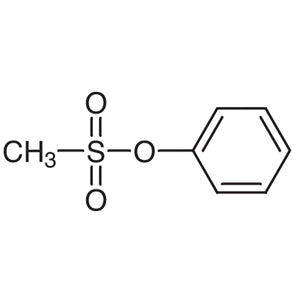
PhenylMethanesulfonate TCI P1852
Regular price Rp 2.359.350,00Regular price -
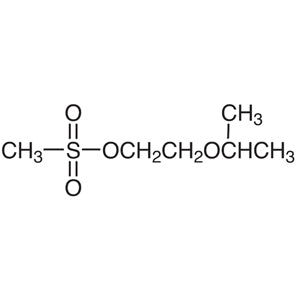
2-IsopropoxyethylMethanesulfonate TCI M1297
Regular price Rp 2.279.550,00Regular price