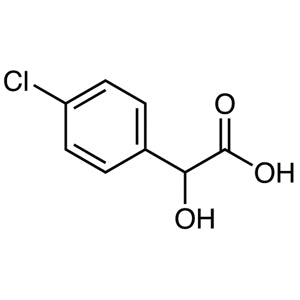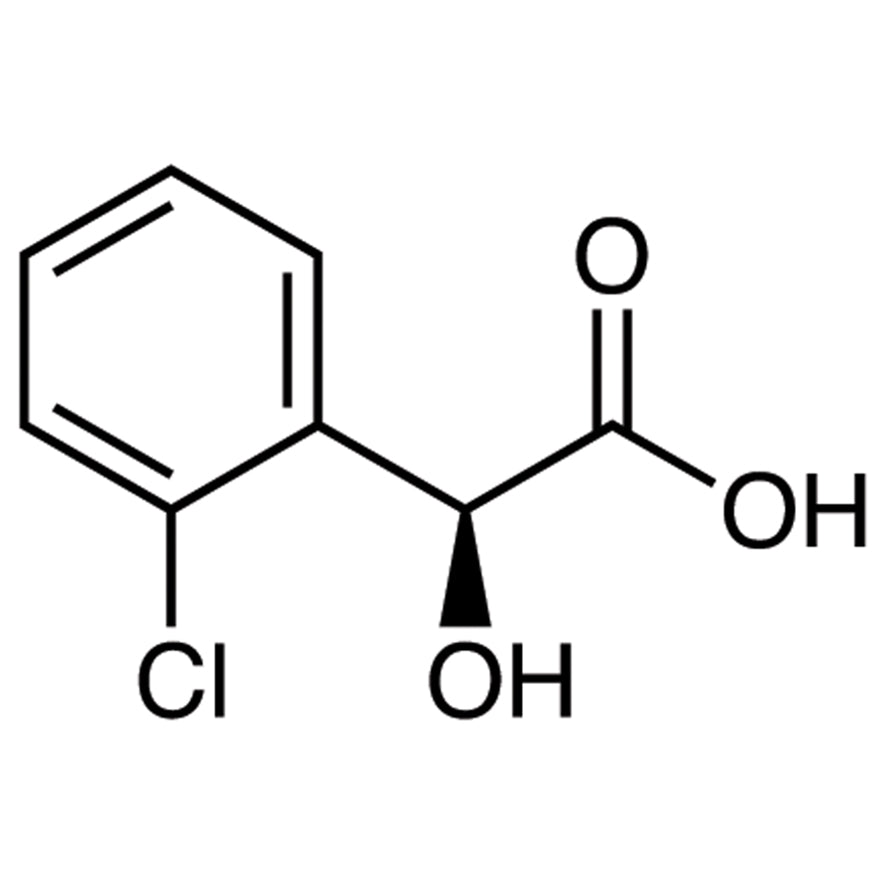
2-Chloro-L-mandelic Acid is a chemical compound widely used in laboratory settings, particularly in asymmetric synthesis. It plays a crucial role in the development of chiral molecules, which are essential in pharmaceutical and biochemical research. This compound is a key building block in the synthesis of various compounds with specific stereochemical configurations. Its importance lies in its ability to influence the stereochemistry of the final product, making it indispensable in the field of organic chemistry.
The unique properties of 2-Chloro-L-mandelic Acid, including its chemical stability and reactivity, make it a preferred choice for researchers. The presence of a chlorine atom in its molecular structure enhances its reactivity, enabling it to participate in a variety of chemical reactions such as substitution, hydrolysis, and asymmetric synthesis. These characteristics allow it to be used in controlled environments where precise molecular manipulation is required. Its reactivity and selectivity make it an ideal candidate for applications that demand high specificity in chemical transformations.
In Indonesian laboratories, 2-Chloro-L-mandelic Acid is commonly used in chemical research across multiple disciplines. It is particularly valuable in pharmaceutical and biochemical studies, where the synthesis of chiral compounds is essential. Its application extends to material science and other research areas that require the creation of complex molecular structures. Due to its versatility and effectiveness, it remains a popular choice among researchers in Indonesia for its ability to meet the demands of advanced chemical synthesis.
- Asymmetric Synthesis: This compound is ideal for creating chiral molecules with specific stereochemistry, essential in pharmaceutical research.
- Chiral Compound Synthesis: Its structural properties make it a key building block for synthesizing optically active compounds.
- Biochemical Research: It is used in studies involving enzyme mechanisms and drug development due to its chiral nature.
- Material Science Applications: The compound is employed in the development of advanced materials requiring precise molecular structures.
- Organic Chemistry Experiments: It supports a wide range of reactions, including substitution and hydrolysis, in synthetic pathways.
| Brand | TCI |
|---|---|
| CAS number | 52950-19-3 |
| Molecular formula | — |
| Purity | — |
| Category | Chemistry > Asymmetric Synthesis > Chiral Building Blocks |
| Pack sizes | Available in various quantities as per standard laboratory supply |
| Physical form | Solid |
| Storage | Store in a cool, dry place away from direct sunlight |
2-Chloro-L-mandelic Acid should be stored in a cool, dry environment to maintain its chemical stability. It is recommended to keep the compound in a tightly sealed container to prevent moisture absorption and contamination. Due to its reactivity, it should be handled with care in a well-ventilated laboratory setting. Avoid exposure to high temperatures and direct sunlight to preserve its properties. Proper personal protective equipment, such as gloves and safety goggles, should be worn when handling this compound to ensure laboratory safety. Always follow standard chemical handling protocols to minimize risks associated with its use.
—
Produk Terkait
-
2-Chloro-D-mandelicAcid TCI C1663
Regular price From Rp 689.850,00Regular price -
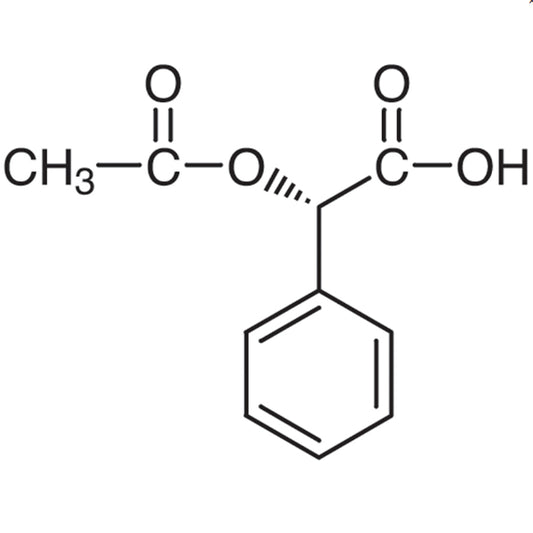
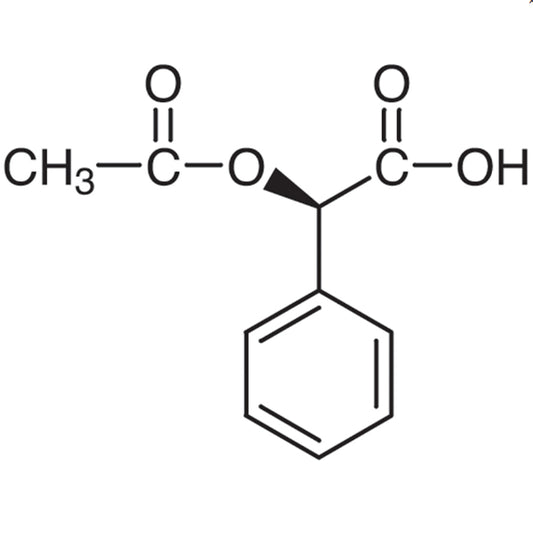
(+)-O-Acetyl-L-mandelicAcid TCI A1454
Regular price From Rp 1.326.150,00Regular price -
(-)-O-Acetyl-D-mandelicAcid TCI A1453
Regular price From Rp 1.060.500,00Regular price -
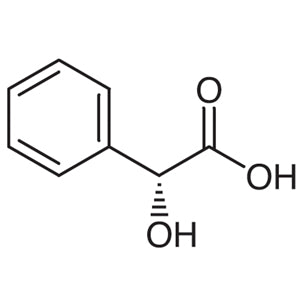
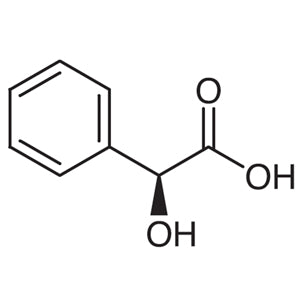
D-(-)-MandelicAcid TCI M0662
Regular price From Rp 875.700,00Regular price -
L-(+)-MandelicAcid TCI M0661
Regular price From Rp 1.087.800,00Regular price -
3-Chloro-DL-mandelicAcid TCI C2009
Regular price From Rp 1.035.300,00Regular price -
4-Chloro-DL-mandelicAcid TCI C0193
Regular price From Rp 1.035.300,00Regular price -
Methyl2-Chloro-L-mandelate TCI M2383
Regular price Rp 1.749.300,00Regular price