7-Chloroquinoline is a quinoline derivative that carries a single chlorine atom at the 7-position of the benzene ring. Quinoline is a bicyclic, nitrogen-containing aromatic heterocycle, and its framework appears in many bioactive compounds. The 7-chloro substitution pattern is especially well known in the medicinal chemistry of aminoquinoline antimalarial drugs. In the laboratory, this compound serves as a heterocyclic building block for preparing substituted quinoline derivatives, synthesising reference compounds, and exploring structure-activity relationships in pharmaceutical research.
Researchers choose this compound because it supplies the 7-chloroquinoline core without other substituents that could interfere, so they can decide freely where to functionalise next. The ring nitrogen can be oxidised to an N-oxide, alkylated to form quinolinium salts, or used as a ligand for metals. The chlorine atom on the carbocyclic ring is fairly stable, but it can be activated in metal-catalysed cross-coupling reactions under suitable conditions. The flat aromatic character of the quinoline system also makes its derivatives useful for studying interactions with biomolecules.
For Indonesian laboratories, 7-Chloroquinoline is relevant to medicinal chemistry research, particularly work on tropical diseases, where the 7-chloroquinoline motif has a long history. University organic chemistry groups, pharmacy faculties, and pharmaceutical research and development laboratories can use it as a starting material for synthesising analogues, as a model substrate when developing heterocycle functionalisation methods, and as a teaching example of how substitution patterns on quinoline relate to biological activity.
Related TCI products
- Synthesis of substituted quinoline derivatives: the unsubstituted 7-chloroquinoline core lets chemists add new groups at chosen positions without interference from existing functional groups.
- Structure-activity relationship studies: the well-known 7-chloro pattern from aminoquinoline antimalarials gives a useful reference scaffold for comparing how structural changes affect biological activity.
- Preparation of reference and comparison compounds: the compound provides a simple, defined quinoline structure that can be used as a benchmark alongside more complex synthesised analogues in pharmaceutical research.
- Nitrogen-centred transformations: the ring nitrogen can be oxidised to an N-oxide or alkylated to quinolinium salts, which opens additional routes for derivatisation and reactivity studies.
- Metal-catalysed cross-coupling and coordination chemistry: the aryl chlorine can be activated under suitable catalytic conditions, and the ring nitrogen can act as a ligand in metal complex studies.
| Brand | TCI (product code C3085) |
|---|---|
| CAS number | 612-61-3 |
| Molecular formula | — |
| Purity | — |
| Category | Chemistry > Building Blocks > Heterocyclic Building Blocks |
| Pack sizes | as listed on the product page; please confirm the available sizes with AMI Scientific |
| Physical form | refer to the TCI product specification and certificate of analysis |
| Storage | follow the storage conditions on the TCI label and safety data sheet |
Store 7-Chloroquinoline in its original, tightly closed container in a cool, dry, well-ventilated place, away from direct sunlight, heat sources, and strong oxidising agents. Follow the storage temperature on the TCI label and safety data sheet. If you transfer portions, use clean, dry, chemically compatible glass containers that are clearly labelled. Handle the compound in a fume hood and wear suitable gloves, safety glasses, and a laboratory coat. Avoid inhaling dust or vapour and avoid contact with skin and eyes. Read the safety data sheet before use, and dispose of waste according to institutional and local regulations for halogenated organic chemicals.
—
Produk Terkait
-
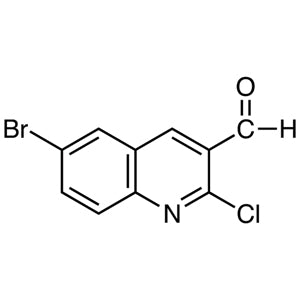
6-Bromo-2-chloroquinoline-3-carboxaldehyde TCI B5242
Regular price Rp 5.380.200,00Regular priceRp 3.777.900,00Sale price Rp 5.380.200,00 -
6-Bromo-4-chloroquinoline TCI B5166
Regular price From Rp 769.650,00Regular priceRp 553.350,00Sale price From Rp 769.650,00 -
Ethyl4-Chloroquinoline-3-carboxylate TCI E1201
Regular price Rp 1.431.150,00Regular priceRp 1.016.400,00Sale price Rp 1.431.150,00 -
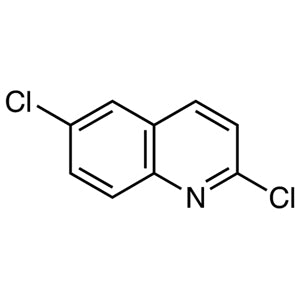
2,6-Dichloroquinoline TCI D5429
Regular price From Rp 1.881.600,00Regular priceRp 1.331.400,00Sale price From Rp 1.881.600,00 -
4,8-Dichloroquinoline TCI D5094
Regular price From Rp 2.227.050,00Regular priceRp 1.572.900,00Sale price From Rp 2.227.050,00 -
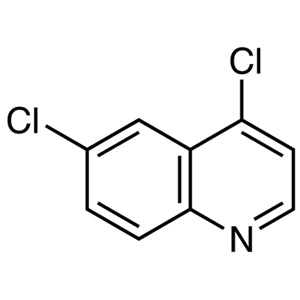
4,6-Dichloroquinoline TCI D4627
Regular price From Rp 2.227.050,00Regular priceRp 1.572.900,00Sale price From Rp 2.227.050,00 -
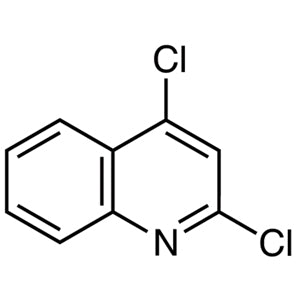
2,4-Dichloroquinoline TCI D4452
Regular price From Rp 2.041.200,00Regular priceRp 1.442.700,00Sale price From Rp 2.041.200,00 -
4,7-Dichloroquinoline TCI D1100
Regular price Rp 1.087.800,00Regular priceRp 775.950,00Sale price Rp 1.087.800,00