TCI D4627 is 4,6-Dichloroquinoline, an aromatic heterocyclic compound built on a quinoline skeleton carrying chlorine atoms at the 4- and 6-positions. The material belongs to the heterocyclic building block class, meaning it is a construction material that contributes a ready-to-use heterocyclic core to the synthesis of more complex molecules. In organic chemistry and medicinal chemistry laboratories, this reagent is valued because the quinoline core is a pharmacophore group frequently encountered in active compounds, while its two chlorine atoms provide clear entry points for installing amine, alkoxy, or aryl groups through controlled downstream reactions.
The characteristic that makes this compound a preferred choice is the difference in reactivity between its two chlorine atoms. Position 4 on the quinoline ring is comparatively electron-poor because it sits adjacent to the ring nitrogen, so the chlorine at that position is far more readily displaced by nucleophiles through nucleophilic aromatic substitution than the chlorine at position 6 on the benzene ring. This difference enables stepwise and selective functionalization: position 4 is modified first, while the chlorine at position 6 can be retained as a handle for subsequent cross-coupling reactions, giving the chemist two independently addressable sites on a single scaffold.
In Indonesian laboratories, this building block is typically used in university and institutional research groups working on organic synthesis and medicinal chemistry, as well as in method development and analytical work that requires a defined heterocyclic starting material. It supports thesis and dissertation projects, small-scale route development, and the preparation of quinoline-based analogue series, where a supplied, well-characterized scaffold saves the time and effort that would otherwise go into building the core ring system in-house.
- Nucleophilic aromatic substitution studies — the activated chlorine at position 4 is readily displaced by amine, alkoxide, and other nucleophiles, making the compound a dependable substrate for teaching and probing SNAr reactivity.
- Medicinal chemistry scaffold construction — the quinoline core is a recurring pharmacophore in biologically active compounds, so this building block shortens the route to quinoline-based candidate molecules and analogue libraries.
- Sequential selective functionalization — the reactivity gap between the 4- and 6-chlorines lets chemists modify one position first and reserve the other, enabling controlled two-step decoration of a single aromatic scaffold.
- Cross-coupling chemistry — the less reactive chlorine at position 6 on the benzene ring survives earlier substitution steps and remains available as a handle for subsequent coupling reactions to install aryl groups.
- Heterocyclic route development and analogue series preparation — supplying the intact dichloroquinoline core removes the need to assemble the ring system in-house, so research groups can focus effort on the substitution steps that define their target molecules.
| Brand | TCI |
|---|---|
| CAS number | 4203-18-3 |
| Molecular formula | — |
| Purity | — |
| Category | Chemistry > Building Blocks > Heterocyclic Building Blocks |
| Pack sizes | available in standard TCI research-scale packaging; please confirm the size options when ordering |
| Physical form | — |
| Storage | store in a tightly closed container in a cool, dry, well-ventilated place, following the manufacturer's instructions on the product label |
- Chemical name: 4,6-Dichloroquinoline
Keep the container tightly closed and store it in a cool, dry, well-ventilated area away from heat, ignition sources, and incompatible materials, particularly strong oxidizing agents and strong bases. Retain the material in its original manufacturer container whenever possible, or transfer it only to a clean, chemically compatible, clearly labelled vessel; keep the label with the CAS number intact. Handle the compound in a fume hood, using safety goggles, gloves, and a laboratory coat, and avoid generating or inhaling dust during weighing and transfer. Close the container promptly after use to limit moisture and air exposure. Consult the manufacturer's Safety Data Sheet before first use, and dispose of residues and contaminated consumables through the laboratory's chemical waste route in line with local regulations.
—
Produk Terkait
-
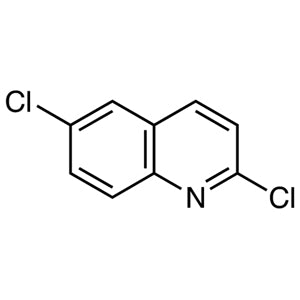
2,6-Dichloroquinoline TCI D5429
Regular price From Rp 1.829.100,00Regular price -
4,8-Dichloroquinoline TCI D5094
Regular price From Rp 2.174.550,00Regular price -
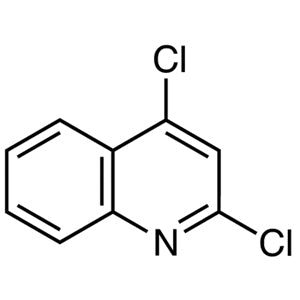
2,4-Dichloroquinoline TCI D4452
Regular price From Rp 1.988.700,00Regular price -
4,7-Dichloroquinoline TCI D1100
Regular price Rp 1.035.300,00Regular price -
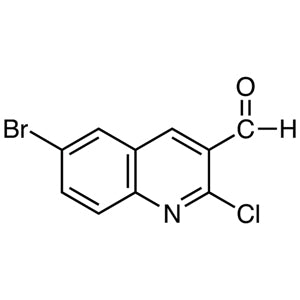
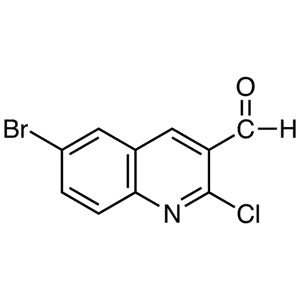
6-Bromo-2-chloroquinoline-3-carboxaldehyde TCI B5242
Regular price Rp 5.327.700,00Regular price -
6-Bromo-4-chloroquinoline TCI B5166
Regular price From Rp 717.150,00Regular price -
Ethyl4-Chloroquinoline-3-carboxylate TCI E1201
Regular price Rp 1.378.650,00Regular price -
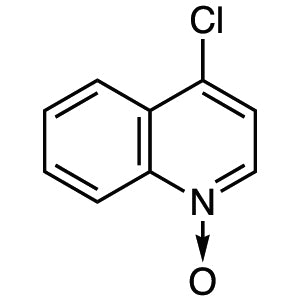
4-Chloroquinoline1-Oxide TCI C3682
Regular price From Rp 1.485.750,00Regular price