6-Bromo-2-chloroquinoline-3-carboxaldehyde is a chemical compound classified under the heterocyclic category, making it a valuable building block in organic chemistry. This compound is widely used in laboratory settings for the synthesis of complex molecules, particularly those with biological activity. Its unique structure combines a quinoline ring with a carboxaldehyde group, enabling it to participate in various chemical reactions. Due to its chemical stability and reactivity, it is a preferred choice for researchers aiming to develop new compounds with pharmaceutical or industrial applications.
The compound's heterocyclic structure and functional groups make it highly versatile in chemical reactions. It exhibits good chemical stability and can undergo nucleophilic or electrophilic reactions, which are essential in synthetic pathways. Its ability to serve as a building block for more complex heterocyclic compounds enhances its utility in advanced chemical research. These properties make it an essential reagent for laboratories focused on drug discovery and chemical synthesis.
In Indonesian laboratories, this compound is commonly used in organic chemistry research, especially by academic institutions and research centers. It plays a key role in the development of new compounds with potential applications in pharmaceuticals and industrial chemistry. Its availability and chemical properties make it a reliable choice for scientists working on complex molecular structures.
Related TCI products
- Organic synthesis applications benefit from this compound's ability to participate in nucleophilic and electrophilic reactions, enabling the creation of complex heterocyclic structures.
- Drug discovery projects often utilize this compound as a starting material for synthesizing bioactive molecules with pharmaceutical potential.
- Research in medicinal chemistry relies on this compound's stable structure and reactivity to develop new therapeutic agents.
- Industrial chemical development uses this compound as a key intermediate in the production of specialized chemical products.
- Academic research in chemistry laboratories frequently incorporates this compound to explore new synthetic methodologies and molecular transformations.
| Brand | TCI |
|---|---|
| CAS number | 73568-35-1 |
| Molecular formula | — |
| Purity | — |
| Category | Chemistry > Building Blocks > Heterocyclic Building Blocks |
| Pack sizes | Available in various quantities as per standard laboratory supply |
| Physical form | Solid, crystalline |
| Storage | Store in a cool, dry place away from light |
This compound should be stored in a cool, dry environment, away from direct light and sources of heat. It is recommended to use airtight containers to prevent moisture absorption and contamination. Due to its chemical reactivity, it should be handled with appropriate personal protective equipment, such as gloves and safety goggles, to ensure laboratory safety. It is important to store it separately from incompatible materials to avoid any potential chemical interactions. Proper labeling and storage conditions help maintain its stability and effectiveness for laboratory use.
—
Produk Terkait
-
6-Bromo-4-chloroquinoline TCI B5166
Regular price From Rp 769.650,00Regular priceRp 553.350,00Sale price From Rp 769.650,00 -
6-Bromo-2-chloroquinoline TCI B5628
Regular price From Rp 1.618.050,00Regular priceRp 1.146.600,00Sale price From Rp 1.618.050,00 -
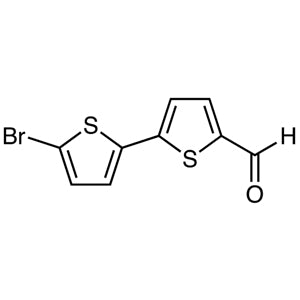
5-Bromo-2,2'-bithiophene-5'-carboxaldehyde TCI B1874
Regular price From Rp 2.173.500,00Regular priceRp 1.535.100,00Sale price From Rp 2.173.500,00 -
Ethyl4-Chloroquinoline-3-carboxylate TCI E1201
Regular price Rp 1.431.150,00Regular priceRp 1.016.400,00Sale price Rp 1.431.150,00 -
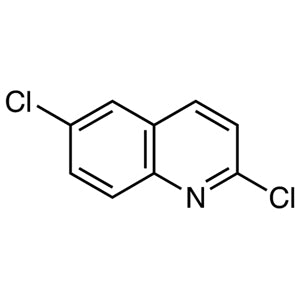
2,6-Dichloroquinoline TCI D5429
Regular price From Rp 1.881.600,00Regular priceRp 1.331.400,00Sale price From Rp 1.881.600,00 -
4,8-Dichloroquinoline TCI D5094
Regular price From Rp 2.227.050,00Regular priceRp 1.572.900,00Sale price From Rp 2.227.050,00 -
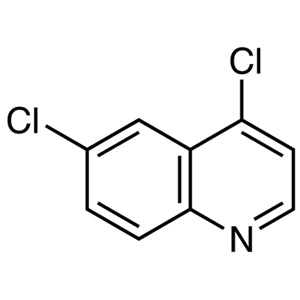
4,6-Dichloroquinoline TCI D4627
Regular price From Rp 2.227.050,00Regular priceRp 1.572.900,00Sale price From Rp 2.227.050,00 -
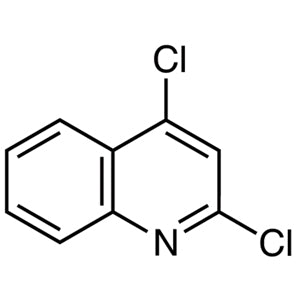
2,4-Dichloroquinoline TCI D4452
Regular price From Rp 2.041.200,00Regular priceRp 1.442.700,00Sale price From Rp 2.041.200,00