Diphenyliodonium-2-carboxylate Monohydrate is a chemical compound widely used in organic synthesis reactions. It belongs to the category of aryne precursors and is essential in the formation of highly reactive aryne species. These species are crucial in the synthesis of complex organic molecules due to their unique reactivity and versatility. In laboratory settings, this compound serves as a stable and accessible source of aryne intermediates, enabling chemists to carry out a variety of synthetic transformations efficiently. Its role is particularly significant in the development of heterocyclic and aromatic compounds, making it a valuable reagent in both academic and industrial research.
The compound's reactivity is a key factor in its preference for use in synthetic chemistry. It exhibits high reactivity under specific conditions, such as the presence of bases or elevated temperatures, which makes it ideal for reactions requiring precise control and high reactivity. Its monohydrate form provides stability, which simplifies storage and handling in laboratory environments. This stability, combined with its reactivity, ensures that it remains a reliable and effective reagent for a wide range of chemical processes. Additionally, its solubility and compatibility with various solvents enhance its utility in different synthetic strategies.
In Indonesian laboratories, Diphenyliodonium-2-carboxylate Monohydrate is commonly used in organic chemistry research, especially in the synthesis of aromatic and heterocyclic compounds. It is a favored reagent in academic institutions and research centers due to its effectiveness in producing aryne intermediates. Its use is particularly prevalent in experiments that require controlled reactivity and high precision, contributing to the advancement of chemical research in Indonesia.
- Organic Synthesis of Aromatic Compounds: This reagent is ideal for generating aryne intermediates, which are essential in the synthesis of aromatic compounds due to their high reactivity and versatility.
- Heterocyclic Compound Formation: Its ability to produce stable aryne species makes it a preferred choice for the synthesis of heterocyclic compounds, which are fundamental in pharmaceutical and agrochemical research.
- Controlled Reactivity Experiments: The compound's reactivity under specific conditions allows for precise control in synthetic reactions, making it suitable for experiments requiring high reactivity and selectivity.
- Precursor for Aryne-Based Reactions: It serves as a reliable source of aryne intermediates, enabling chemists to perform a wide range of reactions that require such reactive species.
- Research in Organic Chemistry: Widely used in Indonesian laboratories, it supports research in organic chemistry, particularly in the development of new synthetic methodologies and compound structures.
| Brand | TCI |
|---|---|
| CAS number | 96195-89-0 |
| Molecular formula | — |
| Purity | — |
| Category | Chemistry > Synthetic Reagents > Aryne Precursors, Heteroaryne Precursors |
| Pack sizes | Available in various quantities as per standard laboratory supply |
| Physical form | Solid in monohydrate form |
| Storage | Store in a cool, dry place away from moisture and light |
This compound should be stored in a cool, dry place, away from moisture and direct light to maintain its stability and reactivity. It is recommended to use airtight containers to prevent exposure to humidity, which can affect its chemical integrity. Due to its reactivity, it should be handled with care, and appropriate personal protective equipment should be worn when working with it. It is advisable to store it in a well-ventilated area to ensure safe handling. The compound is not flammable but should be kept away from incompatible materials to prevent any potential chemical reactions. Proper labeling and storage conditions are essential to ensure its effectiveness and safety in laboratory use.
—
Produk Terkait
-
2-Bromo-4,5-difluorobenzoicAcid TCI B5722
Regular price From Rp 1.618.050,00Regular price -
4-Bromo-2-fluorobenzoylChloride TCI B5817
Regular price From Rp 1.115.100,00Regular price -
2-(4-Bromophenyl)-2-methylpropanoicAcid TCI B6202
Regular price From Rp 1.140.300,00Regular price -
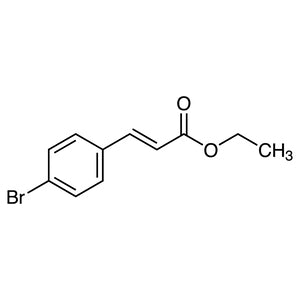
Ethyl(E)-3-(4-Bromophenyl)acrylate TCI B6526
Regular price From Rp 2.094.750,00Regular price -
[1,1'-Biphenyl]-2-carbonylChloride TCI B6543
Regular price From Rp 2.359.350,00Regular price -
Ethyl[1,1'-Biphenyl]-4-carboxylate TCI B6587
Regular price From Rp 1.644.300,00Regular price -
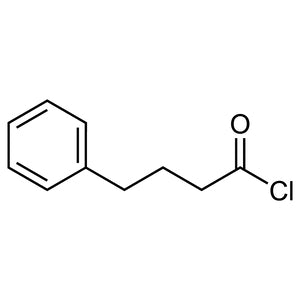
4-PhenylbutanoylChloride TCI B6620
Regular price From Rp 1.378.650,00Regular price -
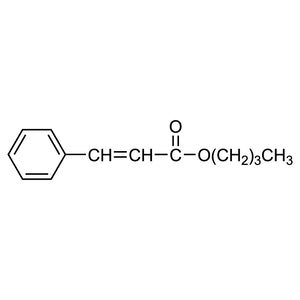
Butyl3-Phenylacrylate TCI B6837
Regular price From Rp 955.500,00Regular price


![[1,1'-Biphenyl]-2-carbonyl Chloride (CAS 14002-52-9) - TCI B6543 - AMI Scientific](http://amiscientific.com/cdn/shop/files/TCI2510B6543.jpg?v=1767093866&width=533)
![Ethyl [1,1'-Biphenyl]-4-carboxylate (CAS 6301-56-0) - TCI B6587 - AMI Scientific](http://amiscientific.com/cdn/shop/files/TCI2510B6587.jpg?v=1767093973&width=533)