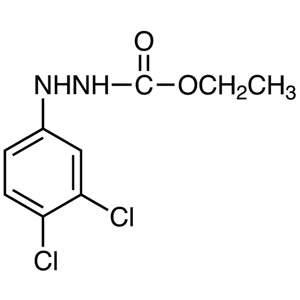
Ethyl 3-(3,4-Dichlorophenyl)carbazate is a synthetic reagent widely used in laboratory settings for its role in chemical synthesis. This compound is part of the broader category of synthetic reagents designed for C-X bond formation, particularly in substitution reactions involving halogen atoms. Its molecular structure includes a carbonyl group attached to a carbazole ring, making it a versatile intermediate in the synthesis of complex organic molecules. Due to its chemical stability and reactivity, it is a valuable tool for researchers working on organic chemistry and pharmaceutical development.
The compound's stability and reactivity make it a preferred choice for synthetic chemists. Its non-volatile nature simplifies handling and processing in laboratory environments, reducing the risk of evaporation or loss during reactions. Additionally, its ability to participate in substitution reactions involving carbon-halogen bonds allows for precise control over reaction pathways. These properties make it suitable for applications requiring high specificity and controlled reaction conditions.
In Indonesian laboratories, Ethyl 3-(3,4-Dichlorophenyl)carbazate is commonly used in organic chemistry research, especially in the synthesis of complex organic compounds and drug development. Its role in creating ester and carboxylic acid derivatives makes it a key reagent in the production of pharmaceutical intermediates and specialty chemicals.
- Organic synthesis of complex molecules where ester functionality is required for structural modification.
- Preparation of pharmaceutical intermediates involving halogenated aromatic rings for drug development.
- Catalytic reactions requiring stable reagents with controlled reactivity in synthetic pathways.
- Research in medicinal chemistry for the development of new therapeutic agents with specific molecular structures.
- Analytical applications where precise chemical reactivity and stability are essential for accurate results.
| Brand | TCI |
|---|---|
| CAS number | 13124-15-7 |
| Molecular formula | — |
| Purity | — |
| Category | Chemistry > Synthetic Reagents > C-X(Non-Halogen) Bond Formation |
| Pack sizes | Available in standard laboratory quantities as per supplier specifications |
| Physical form | Solid or liquid, depending on supplier packaging |
| Storage | Store in a cool, dry place away from direct sunlight and moisture |
Ethyl 3-(3,4-Dichlorophenyl)carbazate should be stored in a cool, dry environment to maintain its chemical integrity. It is recommended to keep the compound in a sealed container to prevent exposure to moisture and air, which may affect its stability. Due to its non-volatile nature, it is less prone to evaporation but should still be handled with care to avoid contamination. Laboratory personnel should ensure proper ventilation when working with this compound and use appropriate personal protective equipment. Storage should be away from incompatible materials to ensure safety and maintain the compound's effectiveness in synthetic applications.
—
Produk Terkait
-
tert-Butyl3-(Isopropyl)carbazate TCI B4375
Regular price Rp 1.749.300,00Regular price -
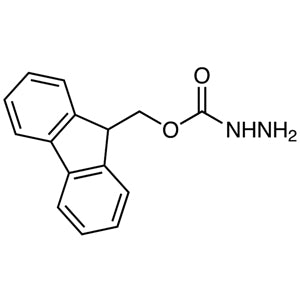
9-FluorenylmethylCarbazate TCI F0872
Regular price From Rp 2.174.550,00Regular price -
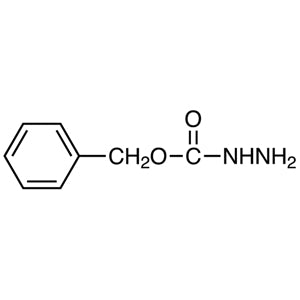
BenzylCarbazate TCI C1564
Regular price From Rp 1.881.600,00Regular price -
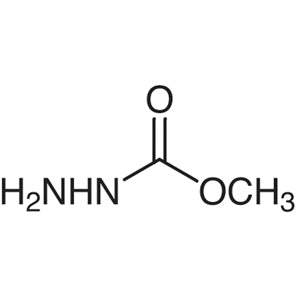
MethylCarbazate TCI C1098
Regular price From Rp 955.500,00Regular price -
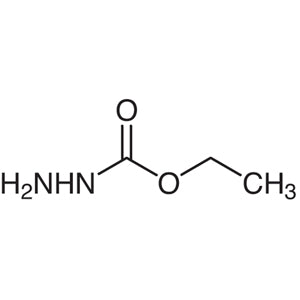
EthylCarbazate TCI C1097
Regular price Rp 1.618.050,00Regular price -
tert-ButylCarbazate TCI C0933
Regular price From Rp 2.016.000,00Regular price -
3,5-Dichloro-N-(3,4-dichlorophenyl)-2-hydroxybenzamide TCI T4359
Regular price From Rp 1.167.600,00Regular price -
5,10,15,20-Tetrakis(2,6-dichlorophenyl)porphyrin TCI T1438
Regular price Rp 7.659.750,00Regular price