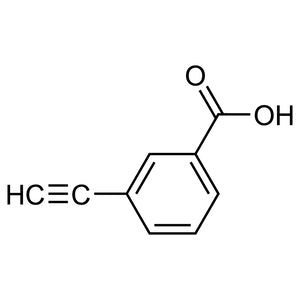
3-Ethynylbenzoic acid with CAS number 10601-99-7 is an organic compound belonging to the aromatic carboxylic acid class, featuring a terminal alkyne group at the meta position of the benzene ring. In the chemistry laboratory, this compound serves as a highly versatile synthesis building block used to construct more complex molecules such as bioactive compounds, functional materials, catalyst ligands, and polymer monomers. The presence of two reactive functional groups—a carboxyl group and an ethynyl group—makes it an ideal linking bridge in a wide range of organic synthesis strategies. For researchers working in organic chemistry, materials chemistry, or medicinal chemistry, this compound is a dependable starting reagent for designing new molecular frameworks with high precision.
The key characteristic that makes 3-ethynylbenzoic acid a preferred choice is its bifunctionality, which allows two different types of reactions to be performed on a single molecule. The terminal ethynyl group is highly reactive in coupling reactions such as the Sonogashira coupling and in alkyne–azide cycloaddition, widely known as click chemistry, while the carboxyl group can be readily activated into ester, amide, and other derivatives. This dual reactivity gives chemists great flexibility in retrosynthetic planning, enabling the stepwise assembly of complex architectures without extensive protecting-group manipulation in many cases. In addition, the rigid aromatic core provides predictable geometry and stability, making the compound a reliable scaffold for introducing functionality at a defined position with consistency and reproducibility.
In Indonesian laboratories, this reagent is typically used by academic research groups and industrial R&D teams engaged in organic synthesis, pharmaceutical lead discovery, and materials development. It is frequently employed as a starting point for building molecular libraries, preparing conjugated organic materials, or synthesizing specialty ligands for catalysis studies. Because it is a well-defined commercial building block, it offers researchers a convenient and consistent supply for reproducible experiments, whether the goal is a short synthetic route to a target molecule or a broader exploration of structure–activity relationships in medicinal chemistry programs.
- Sonogashira coupling reactions: The terminal alkyne group participates efficiently in palladium-catalyzed Sonogashira couplings, enabling the formation of carbon–carbon bonds to build extended conjugated systems and complex molecular scaffolds.
- Click chemistry (alkyne–azide cycloaddition): The terminal ethynyl group undergoes copper-catalyzed azide–alkyne cycloaddition, a hallmark click reaction, allowing rapid, high-yield assembly of triazole-linked bioconjugates and functional materials.
- Synthesis of bioactive compounds: The carboxylic acid moiety provides a convenient handle for amide and ester formation, making this building block useful for constructing drug-like molecules and pharmaceutical intermediates in medicinal chemistry programs.
- Catalyst ligand design: Both functional groups can be derivatized to introduce donor atoms or linkers, supporting the preparation of tailored ligands and metal complexes for homogeneous catalysis research in organic and materials chemistry.
- Polymer and functional material synthesis: The rigid meta-substituted aromatic core and two reactive groups allow the compound to serve as a monomer or crosslinker for preparing functional polymers, coatings, and molecularly engineered materials.
| Brand | TCI (product code E1642) |
|---|---|
| CAS number | 10601-99-7 |
| Molecular formula | — |
| Purity | — |
| Category | Chemistry > Building Blocks > Non-Heterocyclic Building Blocks |
| Pack sizes | standard TCI packaging options; confirm current sizes with your supplier |
| Physical form | — |
| Storage | keep the container tightly closed in a cool, dry, well-ventilated area |
Store the product in its original, tightly sealed container in a cool, dry, and well-ventilated area, away from direct sunlight, heat sources, and incompatible materials such as strong oxidizing agents. Glass or compatible laboratory-grade containers are suitable for keeping the compound protected from moisture and contamination. When handling, wear appropriate personal protective equipment, including laboratory gloves, safety goggles, and a laboratory coat, and work in a fume hood when weighing or transferring the material. Avoid inhalation of dust and contact with skin or eyes. Keep the container closed when not in use and follow standard laboratory waste disposal procedures for organic carboxylic acid derivatives.
—
Produk Terkait
-
2-Bromo-4,5-difluorobenzoicAcid TCI B5722
Regular price From Rp 1.618.050,00Regular price -
4-Bromo-2-fluorobenzoylChloride TCI B5817
Regular price From Rp 1.115.100,00Regular price -
2-(4-Bromophenyl)-2-methylpropanoicAcid TCI B6202
Regular price From Rp 1.140.300,00Regular price -
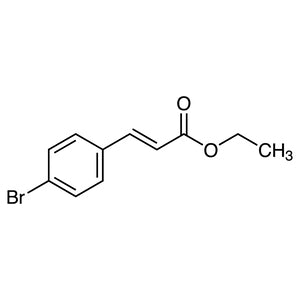
Ethyl(E)-3-(4-Bromophenyl)acrylate TCI B6526
Regular price From Rp 2.094.750,00Regular price -
[1,1'-Biphenyl]-2-carbonylChloride TCI B6543
Regular price From Rp 2.359.350,00Regular price -
Ethyl[1,1'-Biphenyl]-4-carboxylate TCI B6587
Regular price From Rp 1.644.300,00Regular price -
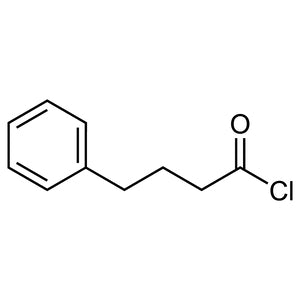
4-PhenylbutanoylChloride TCI B6620
Regular price From Rp 1.378.650,00Regular price -
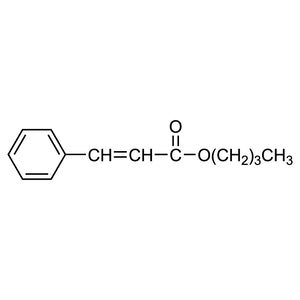
Butyl3-Phenylacrylate TCI B6837
Regular price From Rp 955.500,00Regular price


![[1,1'-Biphenyl]-2-carbonyl Chloride (CAS 14002-52-9) - TCI B6543 - AMI Scientific](http://amiscientific.com/cdn/shop/files/TCI2510B6543.jpg?v=1767093866&width=533)
![Ethyl [1,1'-Biphenyl]-4-carboxylate (CAS 6301-56-0) - TCI B6587 - AMI Scientific](http://amiscientific.com/cdn/shop/files/TCI2510B6587.jpg?v=1767093973&width=533)